
Plants
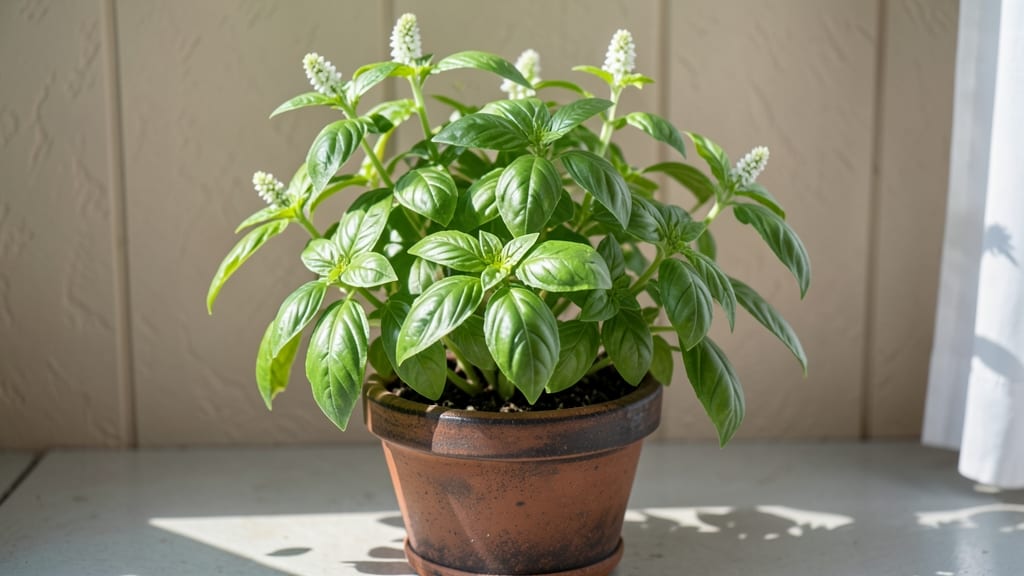
Whether basil plants are perennial depends on your climate—most die back in frost but can regrow from roots in warm zones (USDA 10-11), while they act as annuals in colder regions. Their lifespan hinges on temperature and proper care.
Basil's perennial status is a climate story. 🌱 Native to tropical regions, these plants can't handle frost—their tender stems freeze and blacken, but their roots often survive underground. In warmer zones (like Southern California or Florida), they'll bounce back in spring, while gardeners in colder areas treat them as annuals.
The key difference lies in how you manage them through winter: bringing pots indoors or harvesting seeds before the first frost can preserve your basil's genetic line for next year.
What's fascinating is how basil adapts. Even in cold climates, you can extend their life by overwintering cuttings in water or potting soil under grow lights. Some varieties, like Thai basil, handle cooler temperatures better than others, but no basil thrives in freezing conditions.
The plants' tropical heritage explains why they're such heat-lovers—they'll bolt (flower and go to seed) when nights get chilly, even if daytime temps are warm.
💡 In This Article
- Why Basil Dies in Cold Weather: Science of Freeze Sensitivity
- How to Extend Basil’s Lifespan Beyond One Season
Why basil dies in cold weather: science of freeze sensitivity
Basil's tropical origins explain its frost intolerance. Native to regions like India and Southeast Asia where temperatures rarely drop below 50°F, basil's cellular structure lacks the protective mechanisms found in cold-hardy plants.
When exposed to 32°F or lower, the plant's thin, tender stems freeze and rupture, while the roots often survive because they're buried deeper where soil retains heat.
This is why you might see blackened foliage above ground but still see green shoots emerge in spring if the roots lived through winter.
The damage happens at a cellular level. Cold stress causes ice crystals to form within basil's cells, rupturing their membranes and killing the plant tissue. Unlike woody perennials that can withstand freezing by producing protective sugars and proteins, basil's soft stems lack these adaptations.
Even a light frost at 30°F can trigger irreversible damage, while temperatures between 32-40°F may only slow growth and cause stunted leaves. This is why gardeners in USDA zones 8-11 often see their basil plants die back completely in winter but regrow from roots in spring.
What's particularly interesting is how basil responds to cold stress differently at various growth stages. Young seedlings are more vulnerable because their delicate stems can't handle even mild cold, while mature plants with thicker stems might survive brief cold snaps better.
The plant's natural response to cold is to enter a state of dormancy, but unlike true perennials, basil can't sustain this state indefinitely—prolonged cold exposure will eventually kill even the roots. This is why overwintering techniques are crucial for extending basil's life beyond one season.
There's also a hormonal component to consider. Cold temperatures trigger the production of ethylene gas in plants, which signals basil to stop growing and focus on survival.
This is why you'll often see basil plants bolt (flower) when nights get chilly—it's their way of preparing for what they perceive as an approaching harsh season.
In tropical climates, this wouldn't be a problem, but in temperate zones, this hormonal shift can actually accelerate the plant's decline during cold snaps.
One fascinating adaptation is how basil's essential oils change with temperature. The warm climate compounds that give basil its signature aroma (like eugenol) become less stable in cold conditions. This chemical shift not only affects flavor but also makes the plant more susceptible to cold damage.
When you smell that fresh basil aroma, you're actually experiencing the plant's tropical nature trying to compensate for its current environment—another reminder of why it struggles in cold climates.
For gardeners in transitional zones (like USDA 9), this means timing is everything. A sudden cold snap can kill basil plants that were thriving just days before, while a gradual temperature drop might allow the plant to adjust.
This is why many gardeners in these zones opt for container growing—they can move pots indoors before the first frost, preserving their basil plants for multiple growing seasons.