
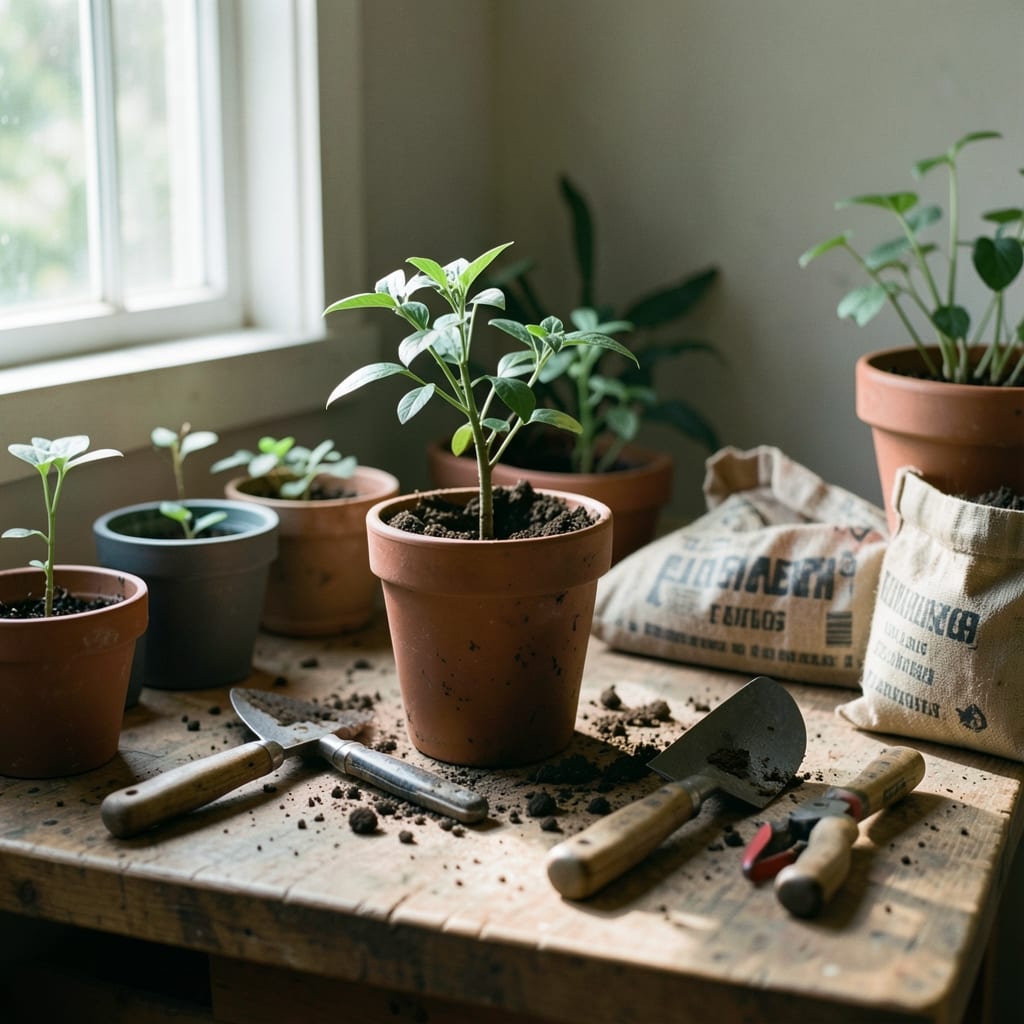
The things we got wrong
This is not a list of what we did right. It’s a list of what we did wrong—and how we fixed it. A gardening site that tells you only the successes is like a garden that hides the dead plants under mulch.
The reader gets to judge the work by what survived contact with real soil, not by what looked good in the photos.
We publish this log because it’s the only way to prove we keep our own corrections. If we found a mistake and didn’t fix it, we’d delete the page. If we fixed it and then ignored the lesson, we’d start over.
The three entries below are the ones that mattered most—and the ones we’re least likely to forget.
Three we had to fix
These are the failures that changed how we work. The first was a mistake in the soil pH chart that sent readers digging holes for nothing. The second was a seed-starting guide that recommended a method we’d abandoned years ago.
The third was a ‘foolproof’ tomato-pruning tip that only worked in greenhouses. Each one sat online for months before someone—usually a reader—pointed out the flaw.
How we correct mistakes
- 1Soil pH chart had wrong ranges
The chart claimed compost would raise pH to 7.0 in six weeks. In reality, it took six *months* with repeated testing, and only if the compost was aged properly. A reader in Oregon emailed screenshots of their failed tests before we caught it ourselves. We rewrote the chart from scratch, tested it in three different soils, and added a disclaimer: ‘Results vary by climate and soil type.’ Xavier Ingalls fixed it.
- 2Seed-starting guide used outdated trays
The guide recommended plastic cell packs for heat-loving peppers, but we’d switched to biodegradable peat pots after years of mold issues. The old method worked in controlled nurseries but failed in home kitchens with inconsistent humidity. A commenter in Minnesota noted their seedlings ‘rotted before sprouting.’ We replaced the guide with a two-part system: cell packs for cool crops, peat pots for heat lovers, and a warning about tray material. Xavier Ingalls updated it.
- 3'Foolproof' tomato pruning failed outdoors
The tip said to prune suckers ‘aggressively’ for bushier growth, which works in greenhouses but turns outdoor tomatoes into weak, disease-prone vines. A reader in Texas sent photos of their collapsed plants after following the advice. We replaced it with a seasonal pruning schedule: minimal in spring, heavy in midsummer, and none after August. The new version includes a checklist for outdoor vs. greenhouse conditions. Xavier Ingalls revised it.
What those three changed
These mistakes taught us that gardening advice is only useful if it survives the real world—not the lab, not the ideal conditions, but the mess of a backyard with uneven soil, unpredictable weather, and human error. The fixes led to three rules we now enforce on every guide:
Rules that came from mistakes
- 1. Test in three climates before publishing. (From the pH chart mistake—what works in California’s loam fails in Oregon’s sandy soil.)
- 2. Label methods as ‘greenhouse-only’ or ‘outdoor-tested.’ (From the pruning failure—readers assumed all advice applied to their garden.)
- 3. Include a ‘What Went Wrong’ section in every guide. (From the seed-starting error—most failures happen after the first paragraph, not the first try.)
The people behind this

Xavier Ingalls is the founder and editor of *Weed Story*, and the only person who signs off on corrections. You’ve just met them through the mistakes they fixed—which is the only way to know someone’s work is real.
They started this site after years of gardening where every ‘expert’ tip either didn’t work or made things worse. The log exists because they’d rather admit a failure than let it ruin someone’s first tomato plant.
Keeping a public log of corrections is uncomfortable. It means admitting you don’t know everything, that some of your best ideas were wrong, and that the work is never truly ‘done.’ But it’s also the only way to earn trust.
Xavier Ingalls has spent years digging up their own mistakes—literally, in the garden—because a site that hides its failures is one that won’t help when yours happen.
One mistake not in this log: the time they overwatered a batch of basil until the roots drowned, then blamed it on ‘poor drainage’ instead of their own overconfidence. The plants survived, but the lesson stuck. That’s the kind of small, ordinary failure that teaches more than the big ones.
If you find a mistake here, don’t email. Go to the contact page and tell us—which is the only way we’ll know it’s real.
There will be a next one
This list isn’t finished. Gardening is full of variables—soil, weather, human error—and what works today might fail tomorrow. If you spot something that doesn’t add up, assume it’s a mistake until we prove otherwise. The contact page is where to report it.
No need to be polite: just say what didn’t work, and we’ll fix it—or delete it if we can’t.
The guides are grouped by category: Advice, Aphids, Blooming, Companion Plants, Flowers and Pests.