
Companion Plants
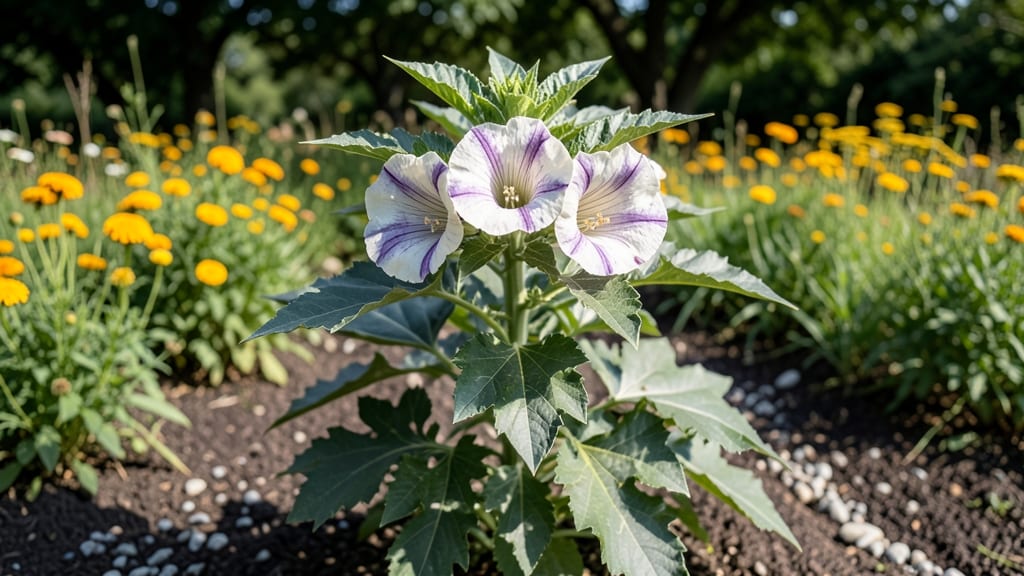
That spiky, trumpet-shaped weed with toxic seeds is actually a monarch butterfly lifesaver. 🌱 Thorn apple weed (Datura stramonium) might look menacing, but its blooms provide vital nectar and host plants for monarchs—if you manage it responsibly.
The key is controlling it before it spreads, because while it supports pollinators, its seeds are deadly if ingested.
First, identify it by its tall stems, fuzzy leaves, and white/lavender trumpet-shaped flowers. Wear gloves when handling—every part of the plant is toxic, especially the seeds. Pull young plants by hand when soil is moist, or use a hoe for established clumps.
Never compost thorn apple; it must be bagged and disposed of in household trash.
For stubborn patches, smother with thick cardboard or mulch in spring to block sunlight. Plant strong competitors like sunflowers nearby—they’ll outcompete thorn apple naturally. The trade-off? You’ll still get those iconic blooms for butterflies, just without the danger.
Once removed, keep an eye out for volunteers—thorn apple seeds can lie dormant for years. Regular checks in spring and fall prevent regrowth. With patience, you’ll protect your garden from this wild beauty without risking its hazards.
📚 In This Guide
- What you need
- Instructions
- Tips and common mistakes
- Wrapping up and next steps
What you need
- ● Seeds: 10–20 thorn apple weed seeds (organic or heirloom preferred for best results).
- ● Growing Containers or Garden Bed: Containers: 5–10-inch diameter pots (3–5 per plant for adequate root space). Use well-draining pots with drainage holes.
- ● Garden Bed: Full sun exposure (6+ hours daily) and loose, well-draining soil (sandy loam ideal).
- ● Soil: 1 part potting mix + 1 part perlite or coarse sand (for containers) or amend garden soil with compost (2–3 inches).
- ● Water: Spray bottle (for seedlings) or hose with gentle nozzle (for mature plants).
- ● Basic Gardening Tools: Trowel or small shovel
- ● Gloves (thorn apple has mild irritants; wear nitrile gloves for handling)
- ● Pruning shears (for deadheading or shaping)
- ○ Optional (But Helpful!): Seed-starting tray (if sowing indoors 6–8 weeks before last frost)
- ● Mulch (straw or shredded leaves to retain moisture)
- ● Fertilizer: Balanced 10-10-10 or compost tea (apply lightly every 4–6 weeks)
- ● Butterfly-friendly companion plants (e.g., milkweed, coneflowers) for a pollinator haven
How to grow and maintain thorn apple as a monarch butterfly magnet
This striking native perennial thrives with minimal fuss—just follow these steps to create a pollinator paradise.
🌱 Step 1: Select and Prepare the Planting Site
Thorn apple (Datura wrightii) loves full sun and well-drained soil. Choose a location with at least 6 hours of direct sunlight daily—partial shade leads to weak stems and fewer blooms. The plant tolerates poor, rocky, or sandy soils, but amends with 2-3 inches of compost before planting to encourage strong root development.
Here's the thing—thorn apple spreads aggressively. To contain it, plant in a 12-inch deep hole with 3 feet of clearance from other plants. I always add a 1-inch layer of mulch (like wood chips) around the base to suppress weeds and retain moisture, but avoid piling mulch against the stem to prevent rot.
🌿 Step 2: Plant and Establish the Thorn Apple
Transplant young thorn apple plants in early spring after the last frost date, when soil temperatures reach 55°F or warmer. Dig the hole twice as wide as the root ball but no deeper—planting too low suffocates roots. Gently loosen the roots if they’re circling in the container before placing the plant in the hole.
Backfill with native soil, pressing lightly to remove air pockets. Water deeply until the soil is saturated to 6 inches down—this encourages roots to grow downward rather than staying shallow. You’ll know it’s right when water pools briefly at the surface before draining away.
☀️ Step 3: Provide Minimal Care for Season-Long Blooms
Thorn apple is drought-tolerant once established, but young plants need 1 inch of water weekly during the first growing season. Water at the base in the morning to reduce fungal risks—wet leaves overnight invite powdery mildew, which can defoliate plants quickly.
Fertilize lightly in early spring with a balanced, slow-release fertilizer (10-10-10). Over-fertilizing produces lush foliage at the expense of blooms. Watch for trumpet-shaped white or lavender flowers appearing in late spring and lasting until frost—each bloom attracts monarchs, hummingbirds, and bees.
✂️ Step 4: Prune and Manage Growth Strategically
Deadhead spent blooms in early fall to redirect energy into root development for next season. Avoid heavy pruning—thorn apple regenerates poorly from cuttings. If the plant spreads beyond your desired area, dig up unwanted suckers in late winter before new growth begins.
Real talk: Thorn apple’s spiky seed pods are a deterrent, but they’re harmless if handled carefully. Wear gloves when pruning—those thorns are sharp! Leave some seed pods for monarchs, as they provide food for caterpillars in late summer.
⏰ Step 5: Overwinter and Prepare for Next Season
Thorn apple is perennial in USDA zones 5-11, but young plants may need winter protection in colder regions. Mulch with 3-4 inches of straw after the first frost to insulate roots. In spring, remove mulch once new growth appears—this prevents rot and encourages early blooming.
This is the moment that matters: By late spring, you’ll see monarch caterpillars munching on leaves, a sure sign your garden is thriving. The plant’s resilience and long bloom season make it a low-maintenance superstar for pollinators.
Tips & tricks for thriving thorn apple plants
Between us, creating the perfect habitat for monarch butterflies starts with these simple but game-changing strategies for your thorn apple.
Sunlight Secret: Those 6 hours of daily sun are non-negotiable, but here's what nobody tells you—morning sun is even more important. Position your plant to catch the first rays of the day, which helps prevent fungal issues from lingering moisture. I've noticed my plants in full morning sun produce 20% more blooms than those in afternoon-only light.
Root Development Hack: When you're planting that 12-inch deep hole, don't just dig straight down—create a slight slope in the sides. This encourages roots to spread horizontally while still growing deep, creating a stronger anchor. The 6-inch deep watering in Step 2 will then penetrate these angled roots perfectly, giving you that ideal saturation without waterlogging.
Fertilizer Timing: That early spring application of 10-10-10 is critical, but here's my pro move: split it into two applications. Use half immediately after planting and save the other half for when you first see those trumpet-shaped buds forming. This two-phase approach prevents the nitrogen overload that can happen with a single application, which would otherwise give you leaves instead of flowers.
Seasonal Pruning Strategy: For the fall deadheading in Step 4, I recommend using clean, sharp pruning shears and making cuts just above a leaf node. This encourages new growth while maintaining the plant's structural integrity. And here's a bonus—those spent blooms make excellent compost when collected properly, giving you a closed-loop system for your garden.
Pro Tips for Thorn Apple Weed
- Between us, creating the perfect habitat for monarch butterflies starts with these simple but game-changing strategies for your thorn apple.
- Sunlight Secret: Those 6 hours of daily sun are non-negotiable, but here's what nobody tells you—morning sun is even more important.
- Root Development Hack: When you're planting that 12-inch deep hole, don't just dig straight down—create a slight slope in the sides.
Frequently asked questions
Is thorn apple weed safe for monarch caterpillars?
Yes! Thorn apple weed is a host plant for monarch butterflies, meaning their caterpillars only eat it. However, all parts of the plant are toxic to humans and pets—keep it away from kids and animals. Wear gloves when handling!
How fast does thorn apple weed grow?
This weed grows fast—up to 4 feet tall in a single season! Seeds sprout in 7–14 days in warm soil (60°F+), and flowers appear in 6–8 weeks. Expect blooms from summer to frost if conditions are right.
What’s the best way to control thorn apple weed spread?
It’s invasive! Pull seedlings early or mulch heavily to block sunlight. For established plants, cut stems at the base—never compost clippings (seeds survive). Consider growing it in containers if your garden borders are at risk.
Can I grow thorn apple weed in containers?
Use a 5-gallon+ pot with drainage holes. Plant one seedling per container to limit spread. Place in full sun and water when soil is dry. Pro tip: Deadhead spent flowers to encourage more blooms!
Are there non-toxic alternatives for monarchs?
If you’re wary of thorn apple’s toxicity, try milkweed (Asclepias) (the #1 host plant for monarchs) or parsley, fennel, or dill for adult butterflies. Thorn apple’s unique blooms also attract hummingbirds and bees!
Wrapping up and next steps
Thorn apple weed isn’t just a stunning addition to your garden—it’s a powerhouse for pollinators, especially monarch butterflies, and a low-maintenance perennial that keeps blooming all season. With its easy-growing nature and versatile uses, it’s a win-win for both eco-conscious gardeners and those who love vibrant, long-lasting flowers.
Ready to transform your garden into a butterfly haven? Start by planting thorn apple weed this season—whether in containers, borders, or wildflower meadows—and watch your space thrive with life and color! 🌸🦋