
Vegetables
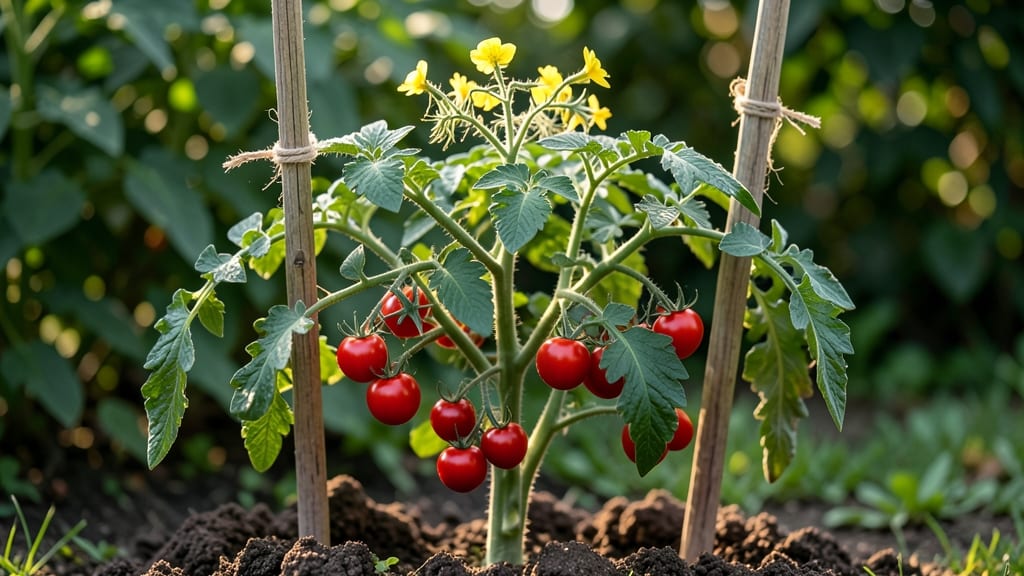
Cherry tomatoes behave like perennials in warm climates but die back annually in colder regions after fruiting, with their roots often persisting underground to regrow when temperatures rise. This survival adaptation distinguishes them from true annuals.
This dieback isn't a sign of weakness—it's a smart survival tactic. 🌱 When temperatures drop below 50°F, cherry tomato plants enter dormancy, conserving energy in their root systems. Unlike true annuals that die completely, these plants can bounce back in spring if protected from frost.
I've seen gardeners in USDA Zone 8 and warmer areas harvest from the same roots for multiple seasons with proper care.
What sets them apart is their ability to regenerate from the base when conditions improve. This makes them semi-perennial in ideal climates, though they still require annual replanting in frost-prone areas.
The key difference from true perennials like asparagus is that cherry tomatoes don't produce year-round—they focus their energy on fruit production before winter.
💡 In This Article
- Why Cherry Tomatoes Die Back: The Science of Cold Hardiness
- How to Extend Cherry Tomato Growth Beyond One Season
Why cherry tomatoes die back: the science of cold hardiness
Cherry tomatoes exhibit dieback because they're tender perennials, not true annuals. When nighttime temperatures drop below 50°F, their aboveground growth shuts down completely through a process called dormancy.
This isn't death—it's a survival mechanism where the plant redirects energy from leaves and stems to preserve its root system underground. The roots contain meristematic cells that remain alive in Zone 8 and warmer climates, capable of regenerating new growth when temperatures rise above 60°F in spring.
The key difference from true annuals (like basil) is that cherry tomato roots can survive 30-40°F temperatures for short periods, though prolonged exposure below 28°F will kill them. Their root systems develop deep taproots that store carbohydrates, similar to how sweet potatoes store energy.
This storage system allows them to "remember" their location and regrow from the same spot year after year in frost-free regions. 🌱 What's fascinating is how this adaptation mirrors some desert plants that go dormant during monsoons but regrow when rains return.
This cold hardiness varies by variety—some heirloom cherry tomatoes like 'Sungold' or 'Sweet Million' have slightly better overwintering abilities than hybrid varieties bred primarily for fruit production speed.
The trade-off is that these more resilient varieties often produce slightly smaller yields in their first season compared to commercial hybrids optimized for annual growth.
Gardeners in Zone 7 report that with proper winter protection (like thick mulch), they can coax regrowth from the same roots for 3-5 consecutive seasons before yields decline.
What most people don't realize is that this dieback process is triggered by photoperiod changes as much as temperature. Shorter daylight hours in fall signal the plant to prepare for dormancy, while longer days in spring stimulate regrowth.
This dual trigger system explains why you might see cherry tomatoes regrow in Zone 9 during mild winters but fail to return in Zone 6 where winters are harsher. The plant essentially "times" its dormancy cycle with seasonal light patterns.
Another crucial factor is the plant's water content management. During dormancy, cherry tomatoes reduce their water needs by 80-90% compared to active growth. Their leaves curl and drop to minimize water loss, while roots remain hydrated from stored moisture.
This water conservation strategy is why you'll often see cherry tomato plants appear completely dead in winter—only to surprise gardeners with new shoots emerging when spring rains arrive. 💧 The roots maintain just enough metabolic activity to stay alive without growing, a delicate balance that requires precise temperature and moisture regulation.
This survival strategy makes cherry tomatoes more resilient than many gardeners assume. While they won't survive Zone 4 winters> without protection, their ability to regenerate from roots gives them a significant advantage over true annuals.
The trade-off is that they require more careful winter management than plants that completely die back each year.
Understanding this cold hardiness helps explain why some gardeners get frustrated when their cherry tomatoes don't return—it's not about the plant's viability, but about creating the right conditions for its dormant roots to wake up.