
Flowers
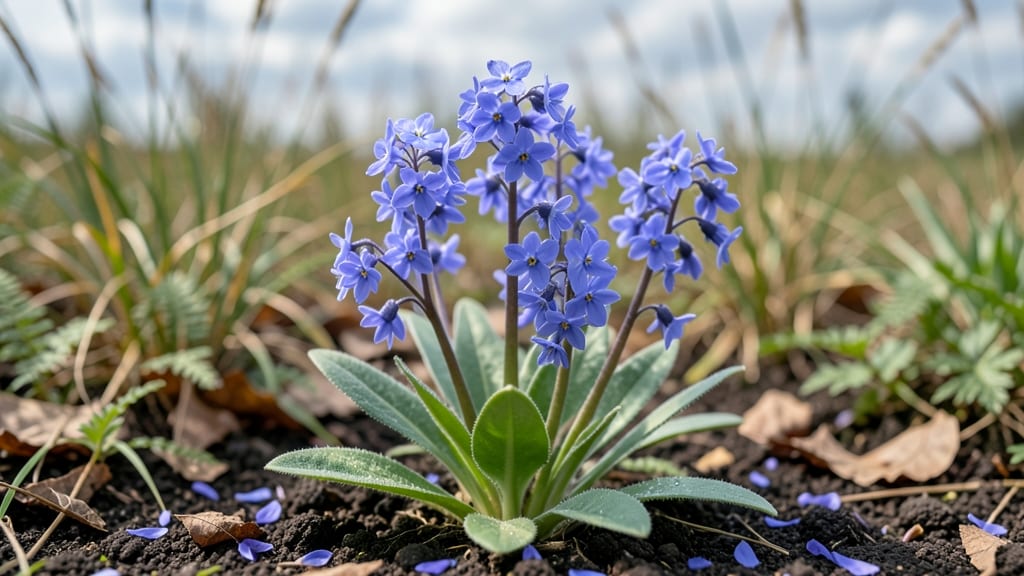
Forget-me-nots are NOT true perennials—they typically die back after blooming in spring but self-seed prolifically, returning annually as short-lived perennials or biennials in mild climates. Their lifespan depends on growing conditions and deadheading practices.
Forget-me-nots may look like perennials because they return year after year, but their lifespan is more nuanced. 🌱 These delicate flowers often behave as biennials or short-lived perennials, meaning they complete their life cycle in two years or die back annually to regrow from seeds.
The key difference lies in their cold sensitivity—while they thrive in USDA zones 3–9, harsh winters can kill their roots, forcing them to rely on self-seeding for renewal. True perennials like hostas or lavender, however, regrow from the same roots every season without needing to reseed.
To maximize their blooming potential, focus on deadheading spent flowers and adding organic mulch in fall. This protects their roots through winter and encourages stronger regrowth. In colder regions, treating them as annuals might be simpler—just replant seeds each spring for consistent color.
Their ability to self-seed prolifically is actually their superpower, turning them into garden workhorses despite their botanical classification.
💡 In This Article
- Why Forget-Me-Nots Act Like Annuals Despite Their Lifespan
- How to Extend Forget-Me-Nots’ Blooming Lifespan in Gardens
Why forget-me-nots act like annuals despite their lifespan
Forget-me-nots (Myosotis spp.) are classified botanically as perennials because their roots can persist for multiple years under ideal conditions. However, their behavior often mimics annuals or biennials due to their shallow root systems and sensitivity to cold.
Unlike true perennials like hostas, which develop deep, woody roots that survive winter dormancy, forget-me-nots have fibrous roots that struggle in freezing temperatures below 20°F. This cold sensitivity forces them to rely on self-seeding rather than regrowing from the same rootstock each spring.
The key difference lies in their life cycle strategy. True perennials allocate energy to root growth year-round, while forget-me-nots prioritize rapid flowering and seed production in their first year.
Their delicate stems and leaves contain high moisture content, making them vulnerable to frost damage. 🌱 In USDA zones 5-9, they often die back completely after blooming but resprout from seeds dropped in the previous season. This self-seeding habit creates the illusion of perennial behavior without the actual root persistence.
What makes this classification confusing is regional climate variation. In milder zones (7-9), forget-me-nots may persist for 2-3 years as short-lived perennials, while in colder zones (3-5), they behave more like annuals, completing their entire life cycle in one season.
Their ability to produce thousands of tiny seeds per plant compensates for this fragility, ensuring gardeners always have new blooms the following spring. This seed-based renewal system is why they're often called "self-sowing perennials" rather than true perennials.
Comparing forget-me-nots to hostas highlights this distinction. Hostas develop thick, fleshy rhizomes that store nutrients through winter, allowing them to emerge each spring from the same root system. Forget-me-nots, by contrast, lack this storage capacity and must regenerate from seed.
Their 1-2 inch tall rosettes in early spring are actually new seedlings rather than regrowth from previous roots, which is why they often appear patchy rather than uniform in gardens.
Their short stature (6-12 inches tall) and delicate blue/purple flowers also contribute to their annual-like behavior.
These traits make them susceptible to being trampled or shaded out by taller perennials, further reducing their chances of overwintering successfully. 💫 This is why gardeners in colder climates often treat them as annuals, replanting fresh seeds each year for reliable blooms.
Understanding this botanical quirk explains why forget-me-nots thrive in cottage gardens and wildflower meadows—environments where their self-seeding habit creates naturalizing displays. While they may not be true perennials, their ability to renew themselves makes them invaluable for gardeners seeking low-maintenance color.
The trade-off is their shorter individual plant lifespan, which is why they're often grown in mass plantings rather than as solitary specimens.