
Orchid Care
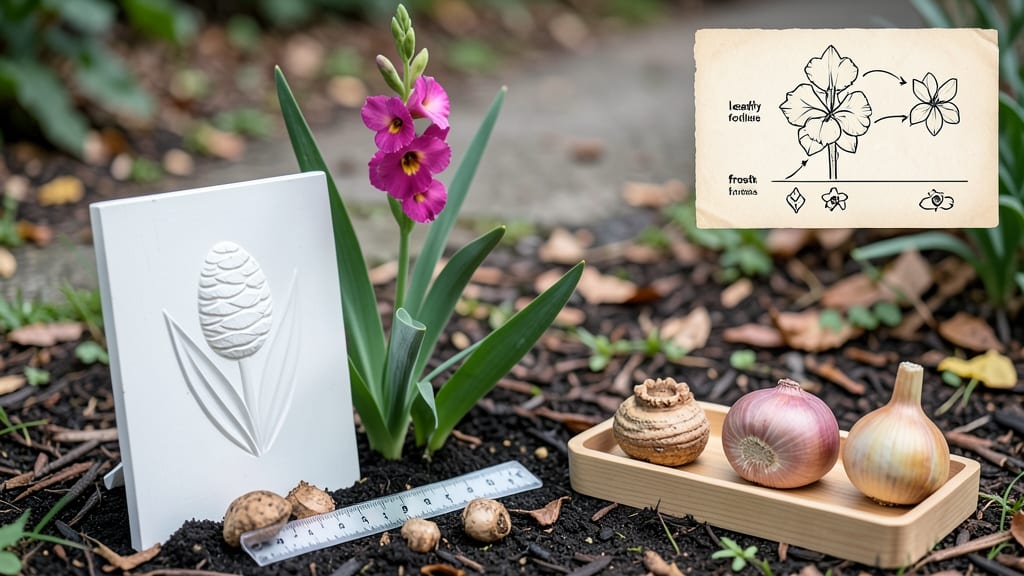
Gladiolus bulbs aren't true perennials in most climates—they die back each year but can be stored and replanted seasonally for regrowth. Only in frost-free areas might they survive as marginal perennials with careful maintenance.
This dieback pattern happens because gladiolus corms (the bulb-like storage organs) enter dormancy when temperatures drop.
Unlike hardy perennials like daffodils that survive winter underground, gladiolus corms need protection from freezing. 🌱 In my experience, the key difference is their sensitivity to frost—even a light freeze can kill the corm if left in the ground.
That's why gardeners in colder zones treat them more like annuals, digging them up before winter and storing them properly until spring.
What makes this interesting is how regional climates change the game. In zones 8-10 where frost rarely occurs, gladiolus can sometimes persist year-round with consistent moisture and protection from extreme heat.
But in colder regions, that same plant becomes a seasonal showstopper that requires your active care to return each year.
💡 In This Article
- Why Gladiolus Bulbs Die Back in Cold Climates
- How to Overwinter Gladiolus Bulbs for Replanting
Why gladiolus bulbs die back in cold climates
Gladiolus bulbs—technically called corms—enter dormancy when temperatures drop below 50°F, a process triggered by shorter daylight hours and cooling soil. Unlike true perennials such as daffodils or peonies, which store nutrients in hardy rhizomes or tubers that survive winter underground, gladiolus corms lack the cold tolerance to endure freezing.
Their cells contain high moisture levels that freeze and rupture at 28°F or lower, causing irreversible damage. 🌡️
This sensitivity stems from their tropical origins in South Africa, where gladiolus evolved in warm climates with no frost exposure. Even a light freeze (32°F) can kill the corm's growing point, while true perennials like daffodils thrive in -20°F conditions.
The key difference lies in their storage organ structure: gladiolus corms are solid and dense, while perennial bulbs often have protective layers or underground insulation.
What happens in your garden? When temperatures drop, the corm's metabolic activity slows dramatically. The leaves yellow and die back as the plant redirects energy to the corm itself, which shrinks slightly—a natural dormancy process.
However, without protection, the corm itself becomes vulnerable. In contrast, perennial bulbs like tulips develop protective scales that prevent moisture loss and freezing, allowing them to regrow when spring arrives.
Here's where climate becomes critical: In USDA zones 8-10, where winters rarely drop below 20°F, gladiolus may persist year-round with consistent moisture and mulch protection. But in zones 5-7, the corms face certain death if left in the ground.
This is why gardeners in colder regions treat them like annuals—digging, storing, and replanting each year rather than hoping for survival. 🌱
Interestingly, the corm's dormancy period can last 2-3 months in cold storage, mimicking natural winter conditions. This is why proper overwintering—keeping corms in a cool (40-50°F), dry environment—mimics their native climate and prevents premature sprouting.
Without this care, the corm wastes its energy trying to grow in unsuitable conditions, weakening its ability to regenerate.
For visual learners, imagine a gladiolus corm as a water balloon left outside in winter—it freezes solid and bursts. True perennials, however, are more like insulated thermoses that maintain their core temperature. This fundamental difference explains why gladiolus requires human intervention in cold climates to return year after year.