
Orchid Care
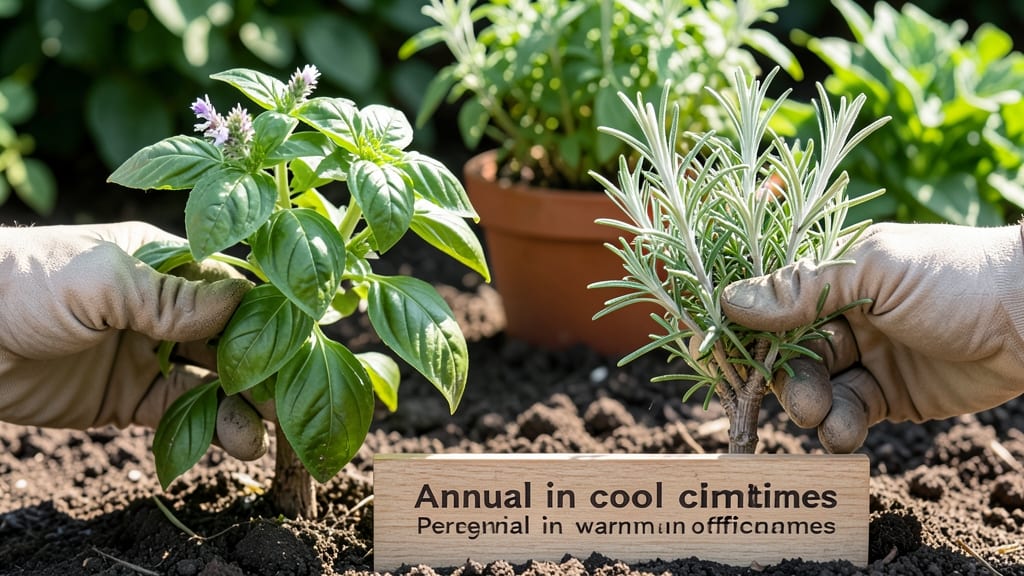
Herbs can be annuals, perennials, or biennials, depending on their species. Annuals like basil and cilantro grow, bloom, and die in one season, while hardy perennials such as rosemary and thyme return year after year from their root systems.
Whether an herb thrives as an annual or perennial depends on its natural growth cycle and climate resilience. 🌱 Annuals like cilantro and parsley complete their life cycle in a single growing season, making them ideal for quick harvests.
In contrast, perennial herbs such as oregano and lavender develop deep root systems that allow them to regrow each spring, often lasting for years with proper care.
The key difference lies in their ability to withstand seasonal changes—perennials store energy underground, while annuals focus all their energy on rapid growth and seed production.
For gardeners, this distinction impacts planting strategies. Annuals are perfect for seasonal flavor bursts, while perennials offer long-term convenience and cost savings. I’ve found that mixing both types in containers or garden beds creates a dynamic herb garden that provides fresh flavors year-round, with minimal replanting required.
💡 In This Article
- How Climate and Growth Habits Determine Herb Lifespan
- Best Herbs for Perennial vs. Annual Gardening
How climate and growth habits determine herb lifespan
The lifespan of an herb hinges on its ability to adapt to temperature extremes and seasonal changes. Annual herbs like basil and cilantro thrive in warm climates but die when exposed to frost, completing their life cycle in 60-90 days.
Their shallow root systems focus energy on rapid growth and seed production rather than survival through winter. In contrast, perennial herbs such as rosemary and thyme develop deep, woody root systems that store nutrients and water, allowing them to regrow each spring from the same roots.
Climate plays a critical role in this distinction. Perennials like lavender and oregano are cold-hardy and can survive winters in USDA hardiness zones 5-9, while tender perennials such as mint and lemongrass struggle in freezing temperatures.
Annuals, however, are often heat-sensitive—parsley bolts (goes to seed) when temperatures exceed 80°F, making it a short-lived plant in hot climates. The key difference lies in their root systems: perennials invest in deep, persistent roots, while annuals prioritize quick, above-ground growth.
Seasonal adaptations also influence herb lifespan. Biennial herbs like parsley (technically a biennial) store energy in their roots during the first year and produce flowers and seeds in the second. This two-year cycle allows them to survive mild winters but still die after seed production.
Perennials, meanwhile, have evolved to withstand multiple growing seasons by producing new shoots from their root crowns each spring, a process called regrowth from dormancy.
For gardeners, understanding these growth habits is essential for planning. In colder climates, perennial herbs like sage and tarragon can survive winters with proper mulching, while annuals like dill must be replanted each spring. In warmer regions, some annuals (like basil) may even overwinter if protected from frost.
The choice between annuals and perennials often comes down to how much maintenance you're willing to invest—perennials offer long-term rewards with less replanting, while annuals provide flexibility for seasonal variety.
One fascinating example is chives, which are technically perennial but often treated as annuals in gardens because their small size makes them easy to overlook.
Their ability to regrow from the same clump year after year proves how even subtle differences in growth habits can blur the lines between classifications. This adaptability is why many gardeners prefer perennials—they create a self-sustaining herb garden with minimal effort over time.
Ultimately, the distinction between annual and perennial herbs boils down to biology and climate. Annuals are the sprinters of the herb world, while perennials are the marathon runners, investing in long-term survival over rapid growth.
Understanding these differences helps you choose the right herbs for your garden's conditions and your gardening goals.