
Flowers
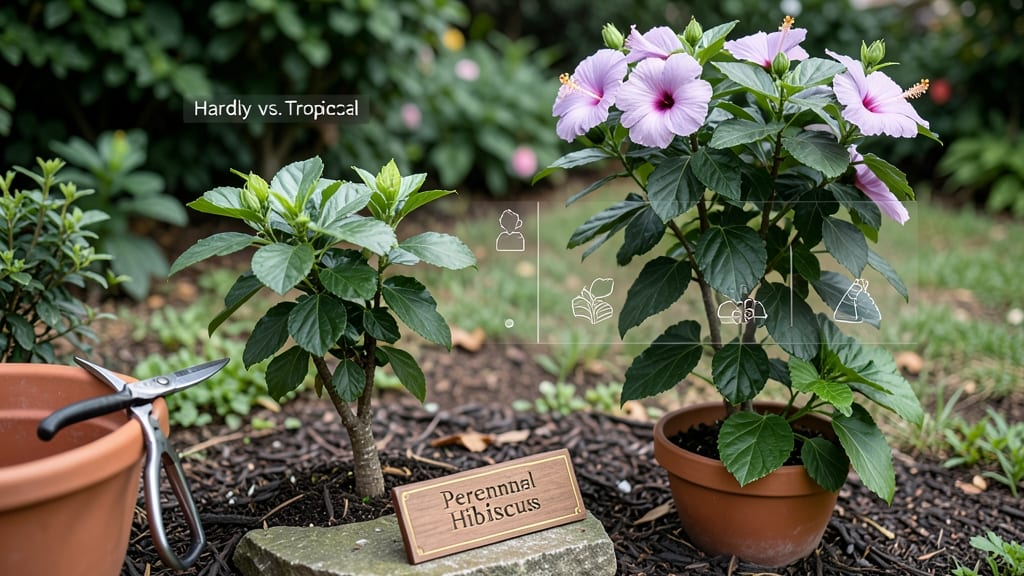
Hibiscus flowers are not true perennials in most climates, though tropical varieties like Hibiscus rosa-sinensis may survive year-round with protection. In colder regions, they die back to the ground annually but regrow from roots each spring if winter care is provided.
Hibiscus plants aren't perennials in the traditional sense because they lack the cold-hardy resilience of true perennials like lavender or hostas. 🌱 Instead, they behave more like semi-hardy perennials—their above-ground growth freezes back in winter, but their roots often survive underground.
This cycle explains why you might see bare stems in winter yet vibrant blooms by spring. Tropical hibiscus varieties, like the common red hibiscus, are especially sensitive to frost, while hardier species like Hibiscus moscheutos can tolerate cooler temperatures but still need protection in harsh winters.
What makes this behavior fascinating is how hibiscus plants "reset" each year. The root system remains dormant during cold months, conserving energy until warmer temperatures trigger new growth.
This natural process means proper winter care—like mulching or container insulation—can mean the difference between a plant that returns lush and healthy versus one that struggles to regrow. Understanding this cycle helps gardeners plan ahead for seasonal changes.
💡 In This Article
- Why Hibiscus Flowers Die Back in Cold Climates
- Winter Care Tips to Protect Hibiscus Roots
Why hibiscus flowers die back in cold climates
The hibiscus plant's response to cold weather stems from its tropical origins. Most varieties, especially Hibiscus rosa-sinensis, are highly sensitive to frost because their cells contain high moisture levels that freeze and rupture at temperatures below 32°F (0°C).
This cellular damage causes the above-ground growth to blacken and die, but the roots often remain viable underground. The plant's survival strategy relies on this root system staying alive through winter, which is why you'll see bare stems in cold months—it's not dead, just dormant.
This dieback process is triggered by specific temperature thresholds. When nighttime temperatures drop below 45°F (7°C) for extended periods, hibiscus plants enter a state of dormancy. Their metabolic processes slow dramatically, conserving energy until warmer spring temperatures (typically above 50°F/10°C) signal regrowth.
Hardy species like Hibiscus moscheutos can tolerate slightly cooler temperatures, but even they won't survive prolonged exposure to 20°F (-7°C) without protection. 🌡️ The key difference between tropical and hardy hibiscus lies in their root systems—tropical varieties have shallower roots that need extra insulation, while hardier species develop deeper root networks that can access warmer soil layers.
What's fascinating about this cycle is how hibiscus plants "remember" their growth cycle. The root crown (the area where roots meet stems) contains meristematic cells that remain active even during dormancy. When spring arrives, these cells receive hormonal signals from warming soil and begin producing new shoots.
This is why proper winter care—like mulching or container insulation—is critical. Without protection, the root crown can freeze, killing the plant permanently.
The regrowth process typically begins when soil temperatures reach 55°F (13°C), which is why gardeners in colder zones often see new growth in late spring rather than early.
Comparing hibiscus to true perennials like peonies highlights this difference. While peonies have thick, insulated root systems that can survive -20°F (-29°C) winters, hibiscus roots are more delicate. Even hardy varieties can only tolerate 10-15°F (-12 to -9°C) without protection.
This is why hibiscus are classified as semi-hardy perennials—they don't have the cold resistance of true perennials but also aren't annuals that die completely each year. The plant's ability to regrow from roots each spring makes it behave more like a perennial in practice, despite its botanical classification.
Understanding this dieback cycle helps explain why hibiscus often look dead in winter but return with vigor. The plant's survival strategy relies on this annual reset, which actually benefits it by preventing the buildup of old, weak growth.
When spring arrives, the new shoots that emerge are often more vigorous than previous seasons' growth, as the plant essentially starts fresh each year. This natural pruning process is one reason hibiscus can thrive for decades with proper care.
For gardeners, recognizing these temperature thresholds is crucial. When nighttime temperatures consistently drop below 40°F (4°C), it's time to implement winter protection measures. The plant's ability to regrow depends entirely on keeping those root crowns alive through the coldest months.
Without this understanding, many gardeners mistakenly believe their hibiscus have died permanently when they simply need a little extra care to survive the winter. 🌱