
Plants
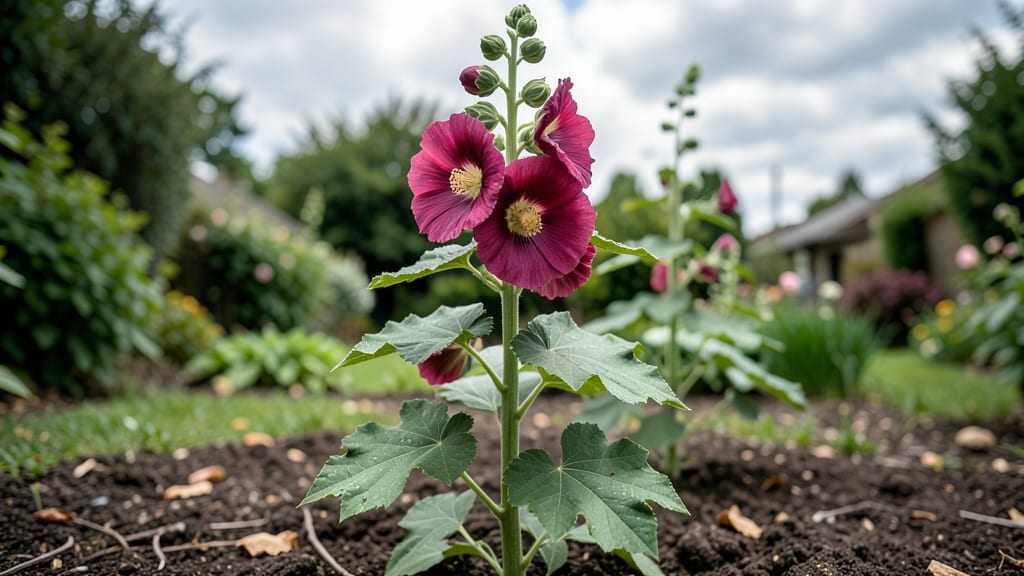
Hollyhocks are indeed perennials, thriving as hardy garden plants in USDA zones 3-9 where they return year after year with proper care, though their natural tendency to self-seed often creates dense, wildflower-like clusters. Their long-term survival depends on winter resilience and well-drained soil.
These striking flowers establish deep roots that help them endure freezing temperatures, though their lifespan typically ranges from 3 to 5 years before natural decline sets in. 🌱 The real magic happens when you let them self-seed—they'll pop up reliably each spring, creating those romantic cottage-garden drifts.
I've found that well-drained soil prevents the root rot that often shortens their lifespan, while proper spacing (18-24 inches apart) keeps them healthy longer.
What many gardeners don't realize is that hollyhocks actually thrive on neglect once established—their self-seeding habit means you'll get free plants for years. The key is deadheading spent blooms to redirect energy to root growth rather than seed production, which helps maintain stronger perennial plants.
Just be prepared for some thinning in their second or third year when seedlings get crowded.
💡 In This Article
- Hollyhock Cold Hardiness and Lifespan Factors
- Encouraging Hollyhock Self-Seeding for Long-Term Growth
Hollyhock cold hardiness and lifespan factors
Hollyhocks earn their perennial reputation through a combination of deep taproots and cold tolerance that lets them survive winter dormancy in USDA zones 3-9. Their roots can extend 3-4 feet deep, anchoring them against temperature swings from -30°F to 90°F while storing nutrients.
This hardiness explains why they thrive in both New England gardens and Southern landscapes, though they do need protection in zone 3's harshest winters with mulch.
The 3-5 year lifespan comes from their biennial growth pattern: first year focuses on root development, second year produces flowers, then energy declines. What shortens this is often root rot from soggy soil—hollyhocks hate "wet feet" and need well-drained sites.
Fungal diseases like rust also attack weakened stems, especially in humid climates where air circulation is poor. 🌱 The classic "hollyhock wilt" caused by rust can turn leaves yellow and stems hollow within weeks.
Stem strength matters too—older plants develop woody stems that snap easily in storms. This is why gardeners often replace mother plants every 3-4 years rather than letting them decline. The good news?
Their self-seeding creates fresh, vigorous seedlings that pick up where the parents left off. I've seen gardens where hollyhocks have been growing for decades because each generation replaces the last.
Here's what actually happens underground: hollyhock roots contain high starch reserves that let them regrow even after severe dieback. This explains why they bounce back from winter damage better than many perennials.
The trade-off is that their second-year flowers tend to be more robust than later years' blooms, which is why many gardeners treat them as short-lived perennials rather than true long-term garden staples.
Consider these key factors when planting:
- Soil drainage: Amend clay soil with 50% compost to prevent rot
- Winter prep: Add 4-6 inches of mulch in zones 3-5
- Spacing: 18-24 inches apart prevents fungal spread
Their decline isn't always inevitable—healthy hollyhocks in ideal conditions can live 7-10 years with proper care, though their flowering vigor typically peaks in years 2-4. 💫