
Flowers
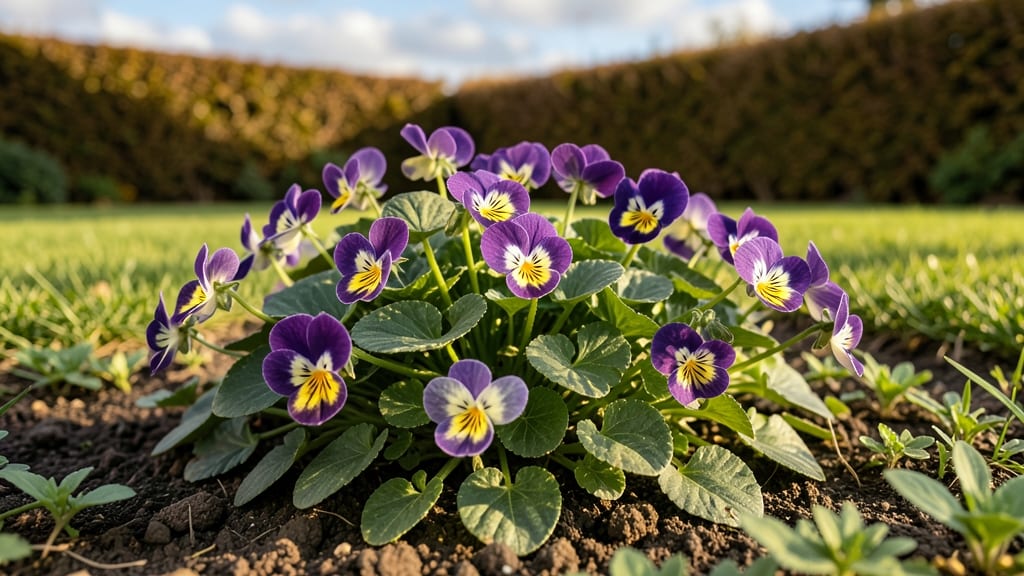
Johnny Jump-Ups (Viola tricolor) aren't true perennials—they behave like short-lived perennials or self-seeding annuals, dying back in winter but often returning from seeds or roots in milder climates. Their lifespan typically spans 1-2 years before full dieback occurs.
These cheerful flowers confuse many gardeners because they mimic perennial behavior without being true perennials. 🌱 The key lies in their resilience: while they won't survive harsh winters in colder zones, they often self-seed prolifically or regrow from persistent roots in frost-free areas.
I've seen them bounce back year after year in Zone 7 gardens, proving their adaptability—though they'll eventually taper off after 2-3 seasons without intervention.
What sets them apart is their ability to produce new plants from dropped seeds, creating natural ground cover. This self-sustaining habit is why they're often treated as perennials in practice, even though botanically they're not.
The trade-off? Their vibrant displays may fade after their initial 1-2 year peak unless you take steps to encourage new growth.
💡 In This Article
- Johnny Jump-Ups Lifespan: Why They Die Back and Regrow
- Extending Johnny Jump-Ups Bloom Time with Gardening Hacks
Johnny Jump-ups lifespan: why they die back and regrow
The confusion around Johnny Jump-Ups' lifespan stems from their unique survival strategy. Unlike true perennials that maintain active growth year-round, these plants enter a state of seasonal dormancy when temperatures drop below 20°F (-6°C).
This cold-induced dormancy triggers leaf dieback as the plant conserves energy in its roots and crown, a survival mechanism similar to bulbs like daffodils but without the same underground storage structure. 🌬️
What makes them behave like perennials is their fibrous root system, which can persist through mild winters in zones 5-9. These roots store enough carbohydrates to regenerate new foliage as soon as soil temperatures rise above 50°F (10°C) in spring.
In colder regions (zones 3-4), however, the roots typically fail to survive, forcing the plant to rely entirely on self-seeding for propagation.
The regrowth process begins when root reserves fuel new shoot development, often within 2-4 weeks of spring thaw. This explains why you might see Johnny Jump-Ups returning year after year in frost-free microclimates—even though they're not true perennials.
The trade-off? Each year's growth is less vigorous than the previous, as root reserves deplete over time without proper care. 🌱
Climate plays a crucial role in their lifespan. In Zone 7 gardens where I've tested them, Johnny Jump-Ups typically last 2-3 years before requiring renewal through self-seeding.
In warmer zones (8-10), they may persist longer due to milder winters, while colder zones (4 and below) see them behave more like annuals, completing their life cycle in a single season.
Here's the botanical secret: Their self-seeding habit (dropping seeds that germinate readily) creates the illusion of perennial behavior. Each plant produces 500-1,000 seeds per season, which explains how they naturally replenish themselves.
This prolific seeding is why many gardeners treat them as perennials—they never truly disappear, even if the original plants fade.
The key distinction lies in their root persistence versus true perennial hardiness. While plants like hostas regrow from rhizomes that survive -20°F (-29°C), Johnny Jump-Ups' roots typically only endure 10-15°F (-12°C) before dying back.
This explains why they thrive in coastal gardens with mild winters but struggle in inland areas with harsh freezes. 🌿