
Plants
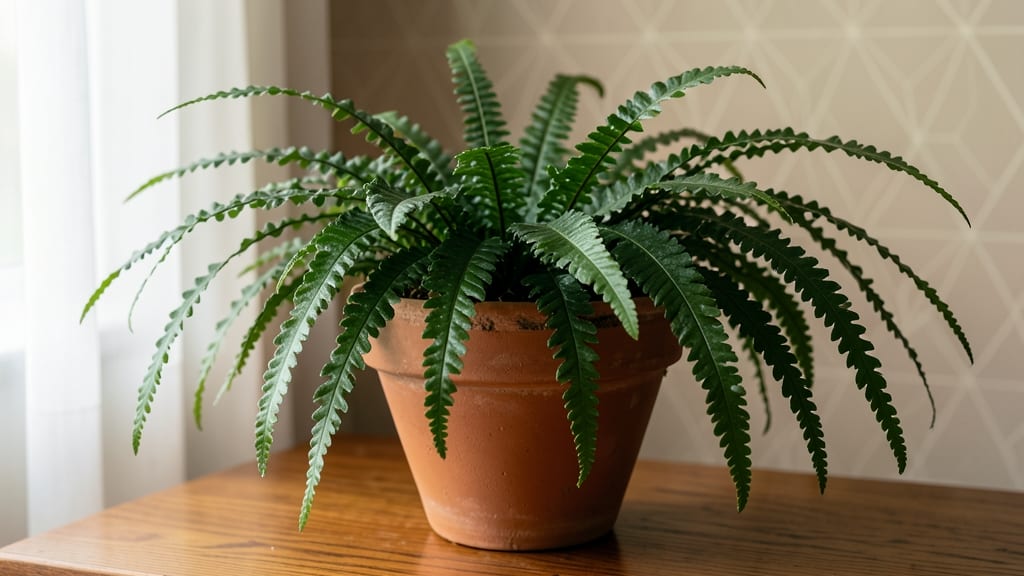
Yes, Kimberly Queen ferns are perennials that die back in winter but regrow from their rhizomes each spring, thriving in USDA zones 5-9 with proper care. Their lifespan extends for years if conditions remain ideal.
These ferns enter dormancy when temperatures drop, conserving energy in their underground rhizomes to fuel new growth when spring arrives. 🌱 The key to their perennial nature lies in protecting those rhizomes—keeping them insulated and moist prevents rot or freezing, which would kill the plant.
Unlike annuals, Kimberly Queens reward patience with decades of lush foliage when given consistent care, especially in shaded garden beds or containers.
What sets them apart is their ability to bounce back from winter's harshest conditions, provided they're not exposed to prolonged freezing. I’ve seen established plants recover even after light frost, though young specimens need extra winter protection like mulch or burlap wraps.
The secret? Their rhizomes act like natural storage units, holding onto nutrients until the soil warms.
💡 In This Article
- Understanding Kimberly Queen Ferns’ Seasonal Dieback Cycle
- Long-Term Care to Maximize Kimberly Queen Fern Longevity
Understanding Kimberly Queen ferns’ seasonal dieback cycle
Kimberly Queen ferns undergo a natural seasonal dieback process triggered by dropping temperatures and reduced daylight. As autumn approaches, their fronds begin to yellow and brown—a visual cue that the plant is conserving energy by shutting down photosynthesis.
This dormancy phase is essential for survival, allowing the fern to redirect nutrients to its rhizomes, the thick, horizontal underground stems that act as living storage units. Unlike annuals, these rhizomes contain starch reserves built up during the growing season, which fuel regrowth when conditions improve.
The dieback typically begins when nighttime temperatures consistently fall below 50°F, though the exact timing varies by region. In colder climates (USDA zones 5-6), fronds may wither by late October, while in milder zones (7-9), they might linger until December.
The rhizomes themselves remain dormant but alive, with metabolic activity slowing to just 1-5% of summer levels—enough to sustain minimal cellular functions. This biological strategy ensures the plant can tolerate frost down to 15°F without permanent damage, provided the rhizomes stay insulated and moist.
What most gardeners overlook is the critical moisture balance during dormancy. While the fronds appear dead, the rhizomes need consistent humidity to prevent desiccation. In dry conditions, they can lose up to 30% of stored starch in just a few weeks, weakening the plant's ability to regrow.
This is why mulching with 2-3 inches of organic matter (like shredded leaves or pine needles) is crucial—it mimics the forest floor environment these ferns evolved in, where leaf litter retains moisture and insulates against temperature swings.
The revival process kicks off when soil temperatures rise above 55°F in spring, typically between March and May depending on location. New fronds emerge from the rhizomes in a process called vernalization, where hormonal signals trigger cell division.
You'll often see tiny, tightly coiled "fiddleheads" push through the soil within 2-4 weeks of warming, marking the fern's triumphant return. The speed of regrowth correlates directly with how well the rhizomes were protected during winter—well-cared-for plants can produce 20-30% more fronds in their first spring back than neglected ones.
One fascinating detail is how Kimberly Queens prioritize root growth before frond development. In their first year of regrowth, up to 60% of energy goes toward expanding the rhizome network, which explains why young plants may appear sparse until they're 2-3 years old.
This underground investment pays off in later years, as mature rhizomes can support 3-5 times more fronds than their initial growth phase, creating that signature lush, arching canopy gardeners love.
Here's what to watch for during dieback: fronds should turn a uniform brown (not black or mushy), and the rhizomes should feel firm but pliable when checked in early winter.
If you see moldy spots or a foul odor, the plant may have rotted due to overwatering or poor drainage—a common mistake that turns perennials into annuals. The key takeaway? Treat the winter dieback as a restorative phase, not a sign of failure.
With proper care, these rhizomes can live for decades, each year building resilience against environmental stresses.