
Flowers
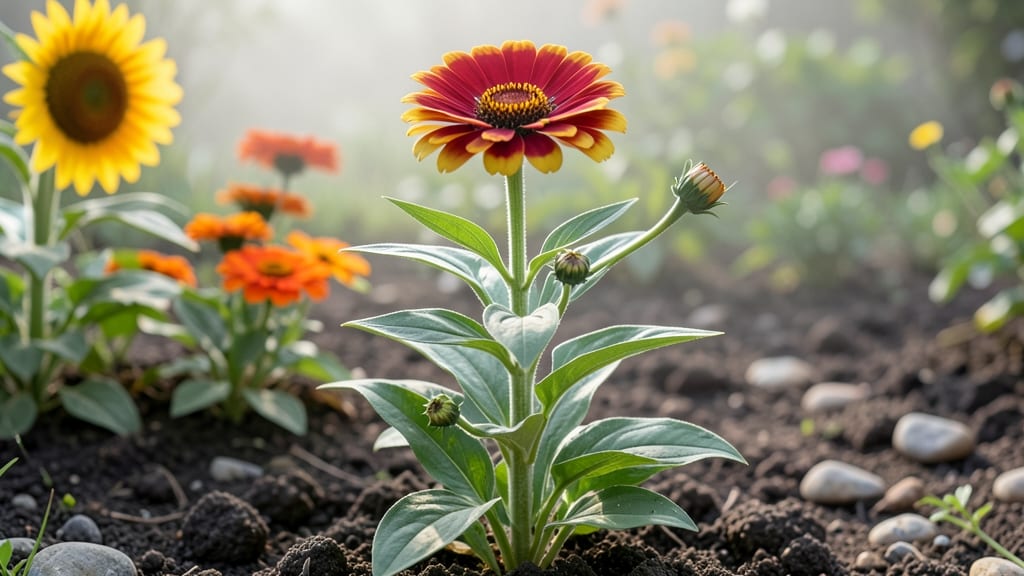
Zinnias are not perennials in most climates—they typically grow as annuals, dying back after frost. However, in warm, frost-free zones (USDA 9-11), they may return as short-lived perennials or self-seed prolifically for multiple seasons.
Zinnias act like annuals because they can't survive freezing temperatures—their tender stems and leaves freeze solid when frost hits. 🌱 Unlike true perennials such as coneflowers or black-eyed Susans, zinnias lack the root systems or dormant buds to regrow after winter.
However, gardeners in mild climates often find them returning year after year because they self-seed aggressively, creating new plants from dropped seeds. This makes them act like perennials in practice, even though botanically they're not.
In colder regions, you can still enjoy zinnias annually by saving seeds from your best blooms or buying fresh packets each spring. Some varieties like 'Zahara' handle cooler temps slightly better, but frost will still kill them.
The key is to harvest seeds before the first freeze—dry them indoors, then store in a cool place until planting season.
💡 In This Article
- Why Zinnias Die Back in Cold Climates
- How to Extend Zinnias’ Lifespan in Gardens
Why zinnias die back in cold climates
Zinnias freeze to death because their entire above-ground structure lacks cold tolerance. Unlike true perennials like coneflowers, which develop woody root crowns that survive -20°F to -30°F, zinnias have soft, herbaceous stems that turn to mush at 32°F or lower.
Their leaves and flowers contain high moisture levels (up to 85% water content), which expands and ruptures cell walls when frozen—imagine a water balloon freezing solid and exploding.
The real damage happens in the roots too. While zinnias develop a modest taproot system, it's not designed for winter survival. True perennials like black-eyed Susans store energy in thick, fibrous roots that regenerate in spring, but zinnia roots lack these reserves.
When temperatures drop below 28°F for more than 24 hours, even the roots begin to degrade, cutting off the plant's ability to regrow. 🌡️ This is why you'll see zinnia foliage turn black and mushy overnight during early fall frosts.
What makes this worse is zinnia's growth habit. They bolt quickly from seed, producing flowers in just 60-70 days under ideal conditions. This rapid growth means they haven't had time to develop the hardy structures needed for winter survival.
Compare this to coneflowers, which take 90-120 days to mature but develop thick, woody root systems capable of withstanding -15°F temperatures.
There's also a physiological trigger: zinnia plants detect shortening daylight hours in autumn and begin preparing for dormancy. However, unlike true perennials that enter a true dormant state, zinnia's response is more like annuals—shutting down completely when frost arrives.
This explains why you'll often see zinnia plants still looking healthy one day, then completely collapsed the next morning after a light frost.
The good news is that zinnia's inability to survive frost isn't a flaw—it's an adaptation. Their rapid growth and prolific seed production make them excellent annuals for warm-season gardens.
In fact, this life cycle helps them dominate disturbed soils, where they can outcompete weeds while providing continuous blooms from early summer until hard frost. 🌼
For gardeners in transitional climates (USDA zones 7-8), this frost sensitivity creates opportunities. If you can protect zinnia plants with row covers during early fall, you might extend their blooming season by 4-6 weeks before winter finally wins. The key is acting before temperatures drop below 40°F at night.