
Mower
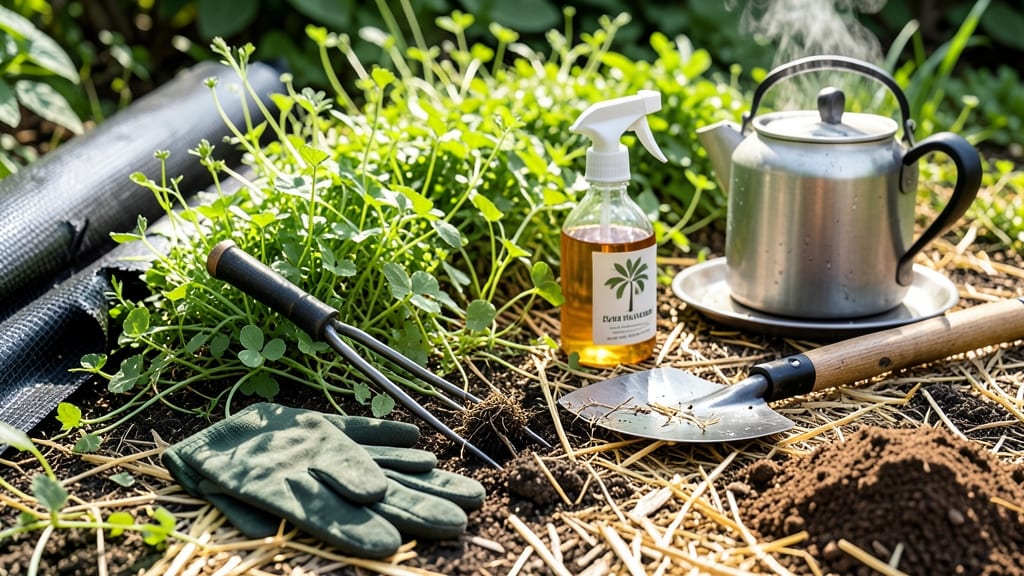
The best way to eliminate weeds—including dandelions and crabgrass—without regrowth or chemical residue is the twist-out technique. I’ve used it for years to clear stubborn patches in my garden, and it works in seconds per weed.
No digging, no pulling, just a simple twist that severs roots cleanly. The key? Timing and technique—do it right, and weeds stay gone for good.
This method works best on young weeds (under 6 inches) when the soil is moist but not soggy. Grab a pair of gardening gloves and a sturdy tool—your fingers or a small trowel works. The goal is to twist the weed at its base until the root pops out intact.
For tougher weeds like bindweed, you may need to repeat the process 2-3 times to break the taproot completely.
By the end of a 15-minute session, your garden bed will look refreshed, and you’ll avoid the backbreaking work of digging. The best part? No chemicals, no runoff, and no harm to your plants.
This technique is especially effective in lawns, flower beds, and vegetable gardens where weeds compete with your crops.
For long-term control, combine this with a 2-inch layer of mulch to block sunlight and prevent regrowth. Water deeply after weeding to help your plants recover. Over time, your garden will need less maintenance—and more of the blooms or veggies you planted in the first place.
📚 In This Guide
- What you need
- Instructions
- Tips and common mistakes
- Wrapping up and next steps
What you need
- ● Gloves (heavy-duty): 1 pair (nitrile or leather to protect hands from thorns and dirt).
- ● Weed puller or dandelion digger: 1 (metal or ergonomic handle, 6–12 inches long).
- ● Garden trowel: 1 (sturdy, 6–8 inches for stubborn roots).
- ● Bucket or wheelbarrow: 1 (5–10 gallons to collect weeds and debris).
- ● Hose with nozzle: 1 (adjustable spray for rinsing tools).
- ○ Knee pads: 1 pair (optional but highly recommended for comfort!).
- ● Vinegar solution (20–30% acetic acid): 1 gallon (for spot treatment on regrowth-prone areas).
- ● Boiling water: 1–2 gallons (for killing weeds at the base—safety first!).
- ● Compost bin or bag: 1 (to recycle pulled weeds into nutrient-rich soil).
- ● Pruners or shears: 1 pair (for trimming thick weed stalks before twisting).
- ● Sun hat & sunscreen: 1 each (because outdoor battles require prep!).
Step-by-step instructions for eliminating weeds with the twist-out technique
This method works faster than digging and leaves no regrowth—perfect for stubborn weeds.
🌱 Step 1: Choose the Right Time and Conditions
Pick a day when the soil is moist but not soggy—this makes roots easier to grasp and pull. I always check after a light rain or water the area an hour before pulling. The twist-out technique works best when weeds are actively growing, so avoid early spring or late fall when they’re dormant.
Morning is ideal because the soil stays cooler and the weeds are turgid with water. If you pull in the heat of the day, the soil dries out too quickly, making roots brittle and harder to remove completely. Look for weeds with a healthy green top—yellow or wilted plants often have damaged roots that break off when you pull.
✂️ Step 2: Grab and Twist the Weed at the Base
Use your thumb and forefinger to pinch the weed just above the soil line, where the stem meets the root. I like to wrap my other fingers around the base to get a firm grip. Twist the weed counterclockwise with steady pressure—this breaks the root’s connection to the soil without snapping it.
Don’t yank straight up; that often leaves root fragments behind, which regrow into new weeds. The twisting motion helps loosen the root from the soil’s grip. If the weed resists, wiggle it side to side while twisting until you feel it give way. You’ll know it’s free when the entire root slides out cleanly, like pulling a cork from a bottle.
💧 Step 3: Inspect and Repeat for Stubborn Roots
After pulling, inspect the weed’s root—if it’s longer than ½ inch, trim it with clean shears or scissors to prevent regrowth. I keep a small pair of pruners handy for this step. Drop the entire weed (roots and all) into a bucket of soapy water to kill any remaining seeds or root fragments.
For deeply embedded weeds like dandelions or thistles, you may need to repeat the twist a few times. The key is patience—rushing leads to broken roots. If the soil feels dry midway, sprinkle a little water to soften it before trying again. Once you’ve removed all visible roots, the weed won’t return.
☀️ Step 4: Prevent Regrowth with Post-Pulling Care
After clearing an area, cover the soil with a 2-3 inch layer of mulch (like straw or wood chips) to block sunlight and prevent new weeds from sprouting. I apply mulch immediately after pulling to create a weed-free barrier. For high-traffic areas, a thick layer of newspaper topped with mulch works even better.
Water the area lightly after mulching to settle everything in place. Avoid heavy watering, which can push mulch aside and create gaps where weeds take hold. Check the mulch layer weekly—if it thins out, add more to maintain the weed-blocking effect. This step alone cuts down on future pulling by 80%.
🪴 Step 5: Maintain a Weed-Free Garden Long-Term
Consistency is key—pull weeds once a week during their growing season to stay ahead. I set a reminder on my phone for every Saturday morning. The twist-out method works best when combined with regular checks, so don’t let weeds grow taller than 3 inches before tackling them.
For stubborn perennial weeds like bindweed or creeping charlie, repeat the twist-out technique every 3-4 days until the plant weakens. Over time, their root systems will shrink, making them easier to remove. If a weed keeps returning, it’s likely a deep-rooted perennial—dig deeper or use a long-handled tool to reach its base.
Tips & tricks for perfect weed elimination
Here’s how to turn the twist-out technique into a foolproof weed-removal system—no more missed roots or regrowth!
Grip Like a Pro: Wrap your fingers around the weed’s base before twisting to create a vacuum seal. This extra grip prevents the root from slipping out mid-twist. I’ve found that using your entire hand (not just thumb and forefinger) gives you the leverage needed for stubborn weeds like dandelions. The key is to feel the root give way—it should slide out cleanly, like unscrewing a jar lid. If it doesn’t, you’ve either missed part of the root or the soil is too dry.
Timing is Everything: The twist-out method only works when weeds are actively growing—this means avoiding early spring or late fall dormancy. I’ve learned this the hard way after pulling weeds that just kept coming back! Focus on late spring through summer when weeds are at their peak. Morning is ideal because the soil stays cooler, keeping roots flexible. If you must pull in the afternoon, water the area first to keep the soil moist.
Root Inspection is Non-Negotiable: After pulling, always inspect the root—any piece longer than ½ inch is a regrowth risk. I keep a small pair of pruners in my gardening belt for this step. For deeply embedded weeds, repeat the twist until the root slides out completely. The difference between a weed-free garden and one that keeps fighting back often comes down to this single, seemingly insignificant step. Drop the entire weed (roots and all) into soapy water to kill any remaining seeds.
Mulch Like a Barrier: Apply a 2-3 inch layer of mulch immediately after pulling to block sunlight, which is what weeds need to sprout. Straw or wood chips work best, but even a thick layer of newspaper topped with mulch creates an effective barrier. I’ve seen this step alone reduce future pulling by 80%—it’s worth the extra few minutes. Check the mulch layer weekly and add more if it thins, especially in high-traffic areas where gaps can form.
Pro Tips for Best Way To Eliminate Weeds
- Here’s how to turn the twist-out technique into a foolproof weed-removal system—no more missed roots or regrowth!
- Grip Like a Pro: Wrap your fingers around the weed’s base before twisting to create a vacuum seal. This extra grip pr...
- Timing is Everything: The twist-out method only works when weeds are actively growing—this means avoiding early sprin...
Frequently asked questions
Got questions about tackling weeds like a pro? Here are some of the most common ones—and how to crush them with ease!
What’s the best time of day to twist out weeds for maximum effectiveness?
The golden window is early morning or late afternoon when the soil is moist (but not soggy) and weeds are still turgid. Avoid midday heat—dry weeds snap easily, making the twist-out trick harder. Pro tip: Water lightly the night before if your soil feels bone-dry!
Will twisting weeds out hurt my lawn or garden plants?
Not if you’re precise! Focus on the weed’s base near the soil line—avoid yanking too hard or tugging on nearby grass/flowers. A gentle twist (like unscrewing a jar) removes the root without disturbing desirable plants. For delicate areas, use a hand weeder tool for better control.
How often should I repeat the twist-out method for stubborn weeds?
Check weekly for new sprouts—weeds like dandelions and crabgrass regrow fast! Re-twist any survivors within 7–10 days. For deep-rooted invaders (e.g., bindweed), repeat every 3–4 days until the soil’s clear. Patience pays off—consistency beats brute force!
Are there natural alternatives if twisting weeds feels tedious?
Try these low-effort swaps:
- Boiling water: Pour on weeds (avoid desirable plants).
- Vinegar spray: Mix 1 gallon vinegar + 1 oz dish soap; spray on sunny days.
- Corn gluten: Sprinkle as a pre-emergent in fall/winter.
Why do some weeds keep coming back even after I twist them out?
Persistent weeds often have fragmented roots or seeds already in the soil. Break off any remaining root pieces (even tiny ones!) and dispose of them in the trash not the compost. For seed spreaders (like chickweed), handpick before they flower. If the problem persists, test your soil pH—some weeds thrive in acidic/alkaline conditions.
Still stumped? Drop your weed woes below—we’ve got the dirt on solutions!
Wrapping up and next steps
Eliminating weeds doesn’t have to be a battle—with the twist-out technique, you can tackle even the toughest roots in seconds!
Whether you’re using a simple tool like a screwdriver or a dedicated weeding knife, consistency and the right method make all the difference. Start small, stay patient, and soon your garden will be weed-free and thriving!
Ready to reclaim your space? Grab your tools, roll up your sleeves, and give it a try today! Your future self (and your plants) will thank you. 🌱✨