
Orchid Care
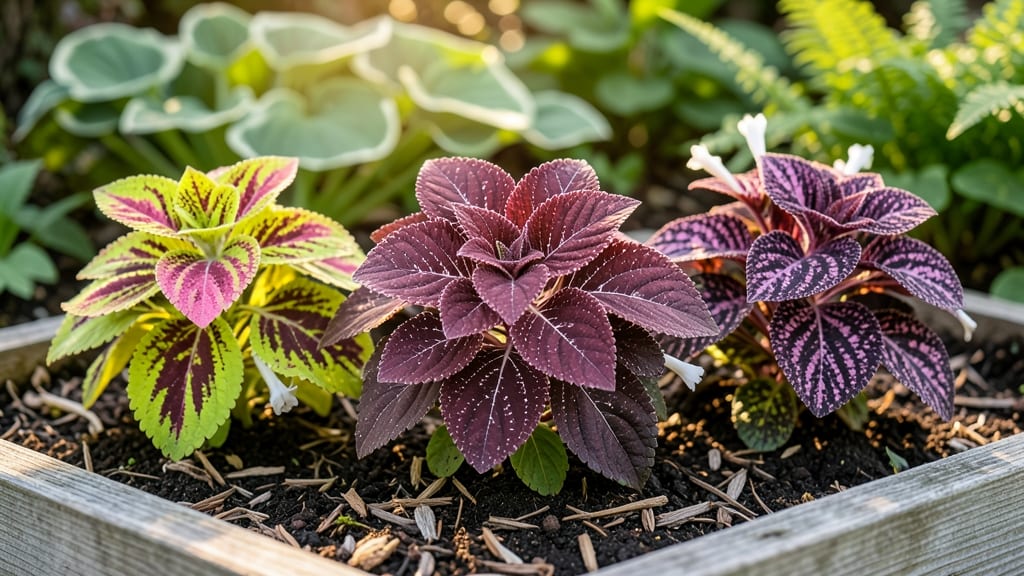
Coleus plants behave like perennials in warm climates, going dormant in winter but regrowing from their roots when temperatures rise, though gardeners in colder regions often grow them as annuals because frost kills them back.
This behavior comes down to their natural growth cycle and climate adaptation. 🌱 In frost-free zones, coleus roots survive winter underground, storing energy until spring warmth triggers regrowth. The key difference in colder areas is that the entire plant—roots included—often succumbs to freezing temperatures, forcing gardeners to replant each season.
Interestingly, even when treated as annuals, coleus stems can sometimes root in water over winter, giving them a second chance at perennial-like behavior.
Understanding this dual nature helps explain why coleus thrive as long-lived houseplants indoors but rarely survive outdoor winters in temperate zones. The plant's ability to regenerate from cuttings also plays a role—many gardeners propagate new plants each year from stem cuttings, effectively "resurrecting" their coleus gardens annually.
💡 In This Article
- How Coleus Survive Winter as Perennials
- Extending Coleus Lifespan in Cold Climates
How coleus survive winter as perennials
Coleus plants employ a clever survival strategy rooted in their tropical origins. Unlike true perennials that store energy in thick rhizomes or tubers, coleus rely on their fibrous root systems to persist through winter dormancy.
When temperatures drop below 50°F, the above-ground foliage yellows and dies back, but the roots remain alive underground, entering a state of semi-dormancy. This process is triggered by shorter daylight hours and cooler soil temperatures, which signal the plant to conserve energy rather than grow.
The magic happens when spring warmth returns—typically around 55-60°F soil temperatures. At this point, the roots begin metabolizing stored carbohydrates to produce new shoots. What makes this fascinating is how coleus regenerate from their underground stems, similar to how mint or strawberries spread.
These stems, often just a few inches below the surface, contain meristematic cells capable of producing new leaves and stems when conditions improve. In frost-free zones like USDA hardiness zones 9-11, this cycle repeats annually without human intervention.
This perennial behavior explains why coleus thrive as long-lived houseplants indoors year-round. Inside homes, where temperatures stay above 60°F and humidity levels remain moderate, coleus never experience the winter die-back that triggers dormancy. The plant's natural growth cycle continues uninterrupted, allowing it to grow for years with proper care.
This is why many gardeners discover their potted coleus seem to "come back to life" each spring—it's not magic, but biology!
There's a crucial distinction between how coleus behave in warm climates versus cold ones. In frost-free regions, the entire plant system (roots included) survives winter, ready to burst back to life when conditions improve.
However, in colder climates where temperatures drop below 25°F, even the roots can freeze and die, forcing gardeners to treat them as annuals. This temperature threshold is the key difference that determines whether coleus act as true perennials or must be replanted each season.
What's particularly interesting is how coleus adapt to seasonal changes through a process called photoperiodism. The plant detects changing daylight hours, which triggers hormonal changes that prepare it for dormancy.
This same mechanism explains why coleus grown indoors under artificial light may continue growing year-round without entering dormancy—a common reason why houseplant coleus often outlive their outdoor counterparts by decades.
For gardeners in transitional climates (zones 8-9), this biology creates opportunities. With proper protection—like mulching or bringing containers indoors—the roots can sometimes survive mild winters, allowing the plant to regrow in spring.
This is why some gardeners report "resurrecting" their coleus each year with minimal effort, as the root systems often remain viable despite above-ground damage.