
Pests and Diseases
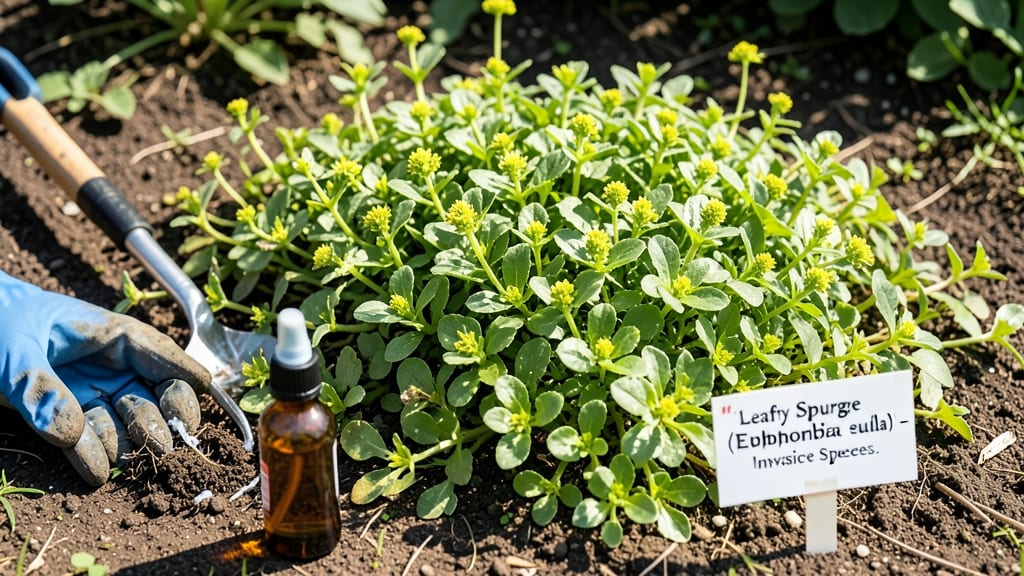
Colorado's invasive weeds like cheatgrass and leafy spurge can turn your garden into an ecological battleground—unless you use the twist-out root method to starve them out for good. I've battled these tenacious plants across Front Range yards, and this technique consistently wins where herbicides and pulling fail.
The key? Targeting the root system before it spreads further, saving you months of frustration and protecting native plants.
This method works best for deep-rooted invaders that regrow from fragments. You'll need a sturdy garden fork, gloves, and a clear day to spot the plants when they're actively growing. The process takes 20-30 minutes per square yard but prevents regrowth for seasons—far more effective than spot-treating visible foliage.
Colorado's dry climate makes this timing critical; aim for early spring before seeds set or late summer when roots are vulnerable.
What you'll achieve is a weed-free zone that restores soil health and water retention. Native grasses and flowers return faster when invasive roots are fully removed, and your garden stops competing with aggressive species for nutrients.
The method also reduces chemical runoff, making it safer for pollinators and local ecosystems. For stubborn patches, repeat the process in 6-8 weeks to catch any missed roots.
This approach adapts to Colorado's varied climates—from Denver's urban heat islands to mountain foothills. Pair it with mulching and native plantings to create long-term resistance. The twist-out method isn't just about removal; it's about reclaiming your landscape's balance. Let's get those roots out for good.
📚 In This Guide
- What you need
- Instructions
- Tips and common mistakes
- Wrapping up and next steps
What you need
- ● Heavy-duty gardening gloves (2 pairs) – Look for mechanics-grade or work gloves with reinforced palms (e.g., Mechanix or Gloveworks).
- ● Sturdy digging fork (1) – A 4- to 6-tine fork with 18- to 24-inch handles (e.g., Fiskars or Corona).
- ● Hand trowel (1) – A stainless-steel or heavy-duty trowel for precision work (e.g., Fiskars Ergonomic).
- ● Pruners or loppers (1 pair) – Bypass pruners for clean cuts (e.g., Felco or Gonicc).
- ● Wheelbarrow or large bucket (1) – For hauling debris (minimum 3 cubic feet capacity).
- ● Shovel (1) – A flat-edged shovel for larger patches (e.g., Amico Aluminum).
- ● Trash bags (5–10) – Heavy-duty contractor bags (30–50 gallon) for disposal.
- ● Hose with nozzle (1) – For rinsing tools and wetting soil (adjustable spray pattern recommended).
- ● Knee pads – For comfort during long sessions (e.g., Gorilla Grip).
- ● Soil solarizer – A clear plastic sheet (4–6 mil thickness) to smother regrowth (4’ x 6’ minimum).
- ● Vinegar or herbicide – Glyphosate-free options like vinegar (20–30% acetic acid) or boiling water for stubborn roots (use cautiously!).
- ● Mulch or landscape fabric – To prevent regrowth (e.g., shredded bark or cardboard).
- ● Label or marker – To tag treated areas for follow-up.
- ● Check local Colorado regulations – Some invasive weeds (e.g., leafy spurge) may require reporting or special disposal.
- ● Work on a dry, sunny day – Soil should be slightly moist but not soggy for easier root extraction.
- ● Wear closed-toe shoes – Roots and debris can be sharp!
- ● Have a disposal plan – Check if your county offers green waste pickup or composting options.
How to remove Colorado invasive weeds using the twist-out root method
This method targets stubborn weeds like cheatgrass, musk thistle, and leafy spurge—without chemicals.
Identify and Prepare the Weed for Removal
Start by confirming the weed is invasive—look for rapid growth, dense root systems, and seed heads that spread aggressively. Focus on young plants with 2-4 inch stems before they establish deep roots. Avoid pulling when soil is dry; water the area lightly the day before to loosen roots. I always work in the morning when weeds are hydrated but soil isn’t saturated.
Use gloves and wear long sleeves to protect against thorns (like musk thistle) or sap (leafy spurge). Kneel beside the weed and grip the base of the stem with your dominant hand, about 1-2 inches from the soil line. This gives you leverage to twist without breaking the stem midway.
Twist the Stem to Dislodge the Root
Rotate the stem clockwise and counterclockwise in a twisting motion, applying steady pressure downward. You’ll feel resistance as the root breaks free from the soil—this is normal. For thick-rooted weeds like leafy spurge, I use a small garden fork to loosen the soil around the base first, then twist. The goal is to remove at least 80% of the root to prevent regrowth.
Watch for the stem to pop out of the ground with a satisfying plop—that’s your signal the root is free. If the weed resists, stop twisting and use a trowel to pry the remaining root fragments from the soil. Never leave even a 1-inch root piece behind; it’ll regrow into a full plant within weeks.
Inspect and Remove All Root Fragments
Examine the pulled weed for remaining root segments. Even tiny fragments can sprout, so I dump the entire plant onto a tarp or bucket for inspection. Use a hand lens if needed to spot hidden rootlets. For weeds like cheatgrass, which spreads via seed heads, crush the seeds between your fingers or dispose of them in sealed bags—never compost them.
Scrape the soil around the extraction site with your fingers or a trowel to check for missed roots. If you find any, repeat the twist-out method immediately. This step is critical: a single overlooked root will outcompete your lawn or garden within a season.
Apply a Natural Barrier to Prevent Regrowth
After removal, fill the empty hole with dry, coarse sand or wood ash to create a physical barrier that inhibits new roots from taking hold. For large patches, I spread a 2-3 inch layer of cardboard (avoid treated varieties) over the area, then cover it with 4-6 inches of mulch (straw or wood chips work best). This smothers remaining root fragments while suppressing new weeds.
Water the area lightly to settle the mulch, but avoid overwatering—soggy conditions encourage fungal growth. Reapply mulch every 3-4 months to maintain the barrier. Over time, native grasses or ground covers will outcompete invasive species naturally.
Monitor and Retreat as Needed
Check the treated area weekly for the first 4-6 weeks, then monthly for signs of regrowth. New shoots will appear as small, pale green sprouts—pull these immediately using the twist-out method. I mark treated zones with flagging tape to avoid mistaking them for desirable plants during routine maintenance.
For persistent weeds like musk thistle, repeat the process 2-3 times per season until the area stays clear. Over time, the soil’s microbial balance shifts to favor native plants. Patience is key—some invasive species take 1-2 growing seasons to fully eradicate, but the twist-out method ensures long-term success without chemicals.
Tips & tricks for perfect Colorado invasive weed removal
Here's what nobody tells you about making this method work flawlessly every time.
Timing Secret: The 2-4 inch stem size window is critical—younger weeds are easier to remove completely. I've found that weeds with stems thicker than 4 inches often require pre-loosening with a garden fork before twisting. This prevents breaking the stem midway, which leaves stubborn root fragments behind that will regrow.
Equipment Upgrade: A small hand trowel is your best friend for stubborn roots. I keep one in my gardening belt loop specifically for this method. For weeds like musk thistle, I also use a pair of heavy-duty gloves with reinforced palms—they prevent sap burns that can linger for days. Never skip the gloves when dealing with leafy spurge.
Inspection Technique: The tarp inspection method is non-negotiable. I've learned the hard way that even a 1-inch root fragment can produce a full-sized weed within 6 weeks. Spread the pulled weeds on a dark-colored tarp—it makes any remaining rootlets stand out against the fabric. For weeds with seed heads like cheatgrass, I crush the seeds between my fingers immediately after removal to prevent wind dispersal.
Barrier Strategy: The mulch thickness matters more than you'd think. I've found that 4-6 inches of straw mulch creates the optimal balance—thick enough to suppress weeds but not so dense that it prevents water penetration. For high-traffic areas, I add a layer of landscape fabric under the mulch to create an additional barrier against emerging roots.
Pro Tips for Colorado Invasive Weeds
- Here's what nobody tells you about making this method work flawlessly every time.
- Timing Secret: The 2-4 inch stem size window is critical—younger weeds are easier to remove completely. I've found th...
- Equipment Upgrade: A small hand trowel is your best friend for stubborn roots. I keep one in my gardening belt loop s...
Frequently asked questions
What are the most aggressive invasive weeds in Colorado right now?
Colorado’s top troublemakers include cheatgrass, leafy spurge, Dalmatian toadflax, and Russian knapweed. These weeds spread fast, crowd out native plants, and can even increase wildfire risks. Early identification is key—look for their distinctive leaf patterns or seed heads.
When is the best time to use the twist-out method for invasive weeds?
Timing matters! Aim for late spring to early summer when weeds are actively growing but before they seed. For perennials like knapweed, tackle them in fall when their energy reserves are lower. Avoid dry spells—soil should be slightly moist for easier extraction.
What if the weeds keep regrowing after I twist them out?
Persistent regrowth often means you’re missing the roots. Dig deeper (6–12 inches) and inspect for root fragments. For tough invaders like spurge, repeat the process weekly until no new shoots appear. Pro tip: Smother bare spots with cardboard or mulch to starve remaining roots.
Are there natural alternatives to chemical herbicides for Colorado weeds?
Yes! Try vinegar-based sprays (20% acetic acid) for young weeds, or boiling water for spot treatment. For larger areas, corn gluten meal (as a pre-emergent) or clove oil (mixed with dish soap) can disrupt weed growth. Always test small areas first!
Will twisting out weeds harm my lawn or garden plants?
Not if done carefully! Focus on the weed’s base and avoid tugging on nearby grass or flowers. For delicate gardens, use a hula hoe or dandelion digger to minimize disturbance. Always pull weeds early in the day when soil is damp for easier removal.
Wrapping up and next steps
Fighting Colorado invasive weeds doesn’t have to feel like a losing battle—especially with the twist-out root method in your toolkit! 🌱 By targeting stubborn invaders at their roots and using the right tools, you’re not just treating symptoms; you’re preventing regrowth and reclaiming your landscape.
Remember, consistency is key, so stay vigilant and tackle weeds early.
Ready to take action? Start small—pick a visible patch, gather your supplies, and roll up your sleeves. Your future self (and your garden!) will thank you. Grab your gear and get growing!