
Orchid Care
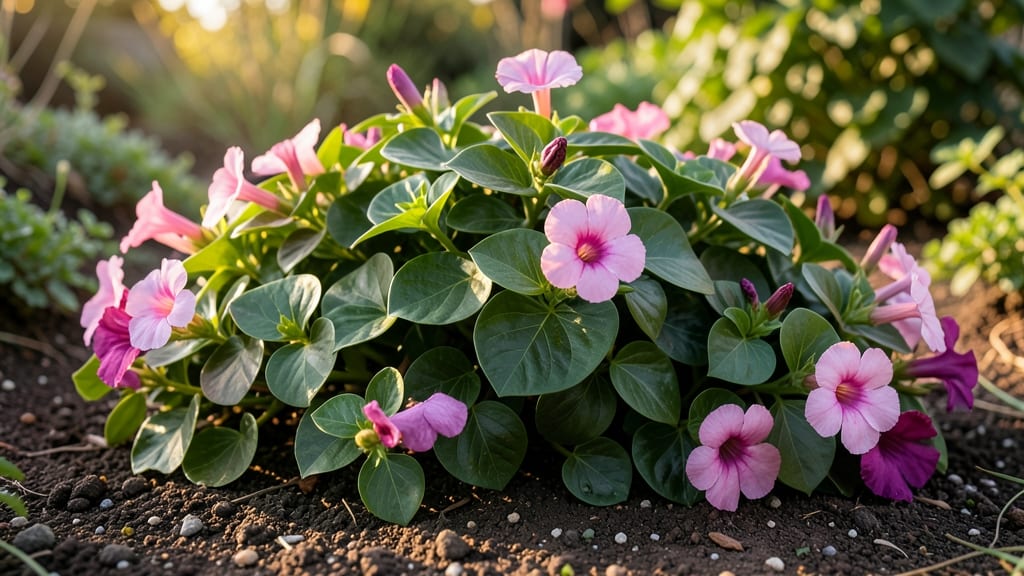
Deciding whether cora vinca is annual or perennial depends on your climate: it’s a true perennial in USDA zones 7-11, where it returns reliably each year, but acts as an annual in colder regions where frost kills it back to the ground. Its survival hinges on winter hardiness and seasonal care.
Cora vinca's perennial nature shines in warm climates where it establishes deep roots and rebounds each spring. 🌱 In zones with harsh winters, it behaves like an annual since the roots often succumb to freezing temperatures.
The key difference lies in how you care for it—mulching heavily in fall or potting it up for indoor overwintering can sometimes trick it into surviving colder snaps. I've seen gardeners in zone 6 keep cora vinca alive for multiple years by bringing containers inside before the first frost.
What's fascinating is how this plant adapts: in its native Mediterranean region, it thrives as a perennial, but our colder climates force gardeners to get creative with seasonal strategies.
The good news? Even when treated as an annual, cora vinca's vigorous growth means you'll get that lush, trailing beauty year after year with minimal effort.
💡 In This Article
- Cora Vinca’s Perennial Growth Habits Explained
- How to Extend Cora Vinca’s Lifespan in Cold Climates
Cora vinca’s perennial growth habits explained
Cora vinca’s perennial nature stems from its Mediterranean heritage, where it evolved to thrive in warm, dry conditions. In USDA zones 7-11, this plant develops a robust root system that can withstand mild winters by entering dormancy when temperatures drop below 40°F.
The roots store energy reserves during dormancy, allowing regrowth once temperatures rise above 50°F in spring. This cycle explains why it reliably returns year after year in frost-free climates.
The plant’s survival strategy involves a combination of deep root penetration (often reaching 12-18 inches) and drought tolerance. In zone 9, where winters rarely drop below 30°F, cora vinca maintains active growth with minimal stress.
The leaves may yellow slightly in cold snaps, but the roots remain protected by the soil’s insulating properties. 🌿 What’s remarkable is how quickly it rebounds—new shoots emerge within 2-3 weeks of consistent warmth, demonstrating its resilience.
Temperature triggers play a crucial role in its growth cycle. When nighttime temperatures consistently stay above 45°F, cora vinca breaks dormancy and begins active growth. In contrast, prolonged exposure to 25°F or colder damages the roots, which is why gardeners in zone 6 must treat it as an annual.
The plant’s natural response to temperature shifts explains why it thrives in coastal climates but struggles inland where winters are harsher.
Root behavior is another key factor in its perennial success. Cora vinca develops fibrous roots that spread horizontally, creating a dense network that stabilizes the plant and accesses moisture efficiently.
This root structure allows it to recover quickly from seasonal stress, unlike shallow-rooted annuals that must regrow from seed each year. In ideal conditions, a well-established cora vinca plant can live for 5-7 years or longer.
For gardeners in transitional zones (like zone 8), the plant’s ability to handle brief cold snaps makes it semi-perennial. While it may not survive harsh winters, it often recovers from mild freezes (28°F) with proper care.
This adaptability explains why many gardeners in these zones treat it as a short-lived perennial rather than a true annual.
The plant’s growth habits also depend on sunlight exposure. In full sun (6+ hours daily), cora vinca grows more vigorously and develops deeper roots, which improves its cold tolerance. Partial shade reduces its hardiness, making it more susceptible to winter damage.
This is why coastal gardeners in zone 10 often see their plants thrive year-round, while inland gardeners in the same zone may need additional protection.