
Plants
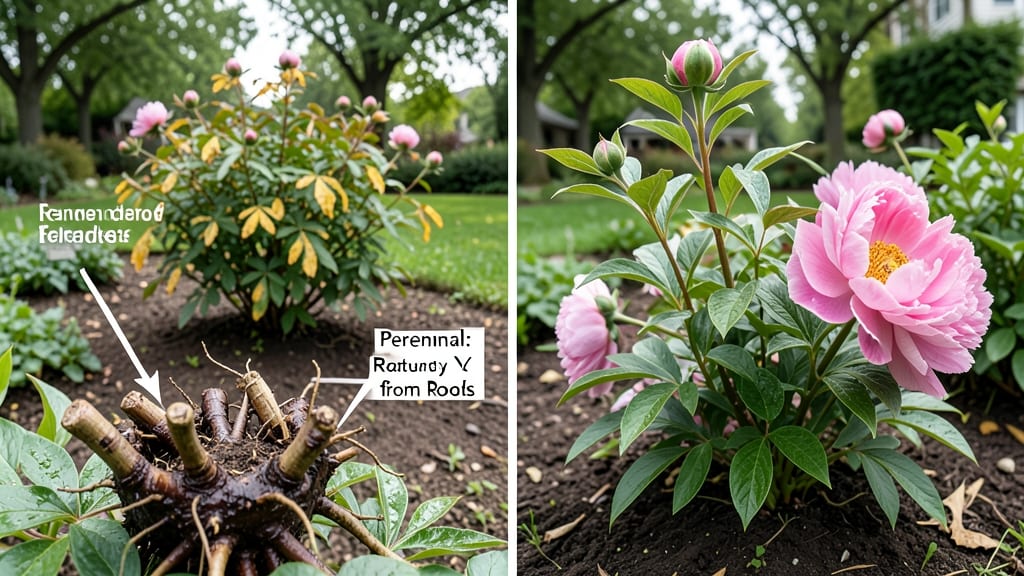
Yes, perennials do come back yearly, but their survival depends on underground structures like roots or rhizomes that store energy over winter, allowing regrowth when conditions improve. Dieback is normal and part of their life cycle, not a sign of death.
Perennials rely on their underground energy reserves—stored in roots, tubers, or rhizomes—to survive winter dormancy. 🌱 These structures act like natural batteries, converting sunlight into carbohydrates during growing seasons and releasing them when temperatures rise.
Think of it as nature's way of hitting pause: the above-ground parts may look dead, but the plant's core remains alive and ready to rebound. Proper winter care, like mulching, helps protect these reserves from extreme cold or drought, ensuring a stronger comeback each spring.
What often trips up gardeners is distinguishing between normal dormancy and actual plant death. Look for new shoots or leaf buds in early spring—they're your green light that the perennial is alive. If you're unsure, gently dig around the base to check for firm, white roots.
Overwatering or cutting back too aggressively in late fall can mistakenly signal death when the plant is just resting.
💡 In This Article
- How Perennial Roots and Rhizomes Enable Yearly Regrowth
- Signs Your Perennials Are Healthy Despite Winter Dieback
How perennial roots and rhizomes enable yearly regrowth
Perennials rely on specialized underground structures—like taproots, fibrous roots, and rhizomes—to store carbohydrates (sugars and starches) produced during photosynthesis. These reserves act as a survival mechanism, with some plants storing up to 30% of their annual energy in roots alone.
For example, peonies store energy in thick, fleshy roots, while daylilies use rhizomes that can grow 1-2 inches per year, expanding their energy storage capacity. 🌱
The process begins in early fall when shorter daylight triggers dormancy hormones like abscisic acid, signaling the plant to stop producing leaves and redirect energy to roots. Cold temperatures further slow metabolism, preserving stored nutrients until spring.
Humidity plays a role too—dry conditions accelerate dormancy, while consistent moisture helps maintain root vitality. For instance, hostas in 50-60°F climates may enter dormancy earlier than those in 60-70°F zones.
What makes this system brilliant is its adaptability. Some perennials, like asparagus, develop crowns—thickened stems at soil level—that store energy for 10+ years. Others, such as irises, use bulb-like rhizomes that can regenerate even if above-ground parts die back completely.
This resilience explains why perennials often bounce back after frost or drought, while annuals (which rely solely on current season growth) perish. 💫
Seasonal growth cycles are tightly regulated by temperature and light. In spring, rising temperatures and longer days trigger auxin hormones that stimulate root growth, which then fuels new shoots.
The timing varies by species—some, like bleeding hearts, emerge in early spring, while others, like coneflowers, wait until late spring. This staggered approach minimizes competition for resources and ensures survival even if some plants fail to regrow.
Cold and humidity also influence dieback patterns. In Zone 5-6, perennials like lavender may lose 80% of their foliage by winter but retain viable roots. Meanwhile, in Zone 8-9, some perennials like salvias might only partially die back, depending on winter rainfall.
The key difference? Moisture retention in roots—dry winters force deeper dormancy, while wet conditions allow gradual regrowth. 🌿
Consider the case of bee balm, which stores energy in its rhizomes. If you cut back the stems in fall, the rhizomes (hidden just below the soil surface) remain intact, ready to sprout new shoots as soon as soil temperatures reach 55°F.
This is why even heavily pruned perennials often return stronger than expected—their underground systems are far more robust than their above-ground appearance suggests.