
Flowers
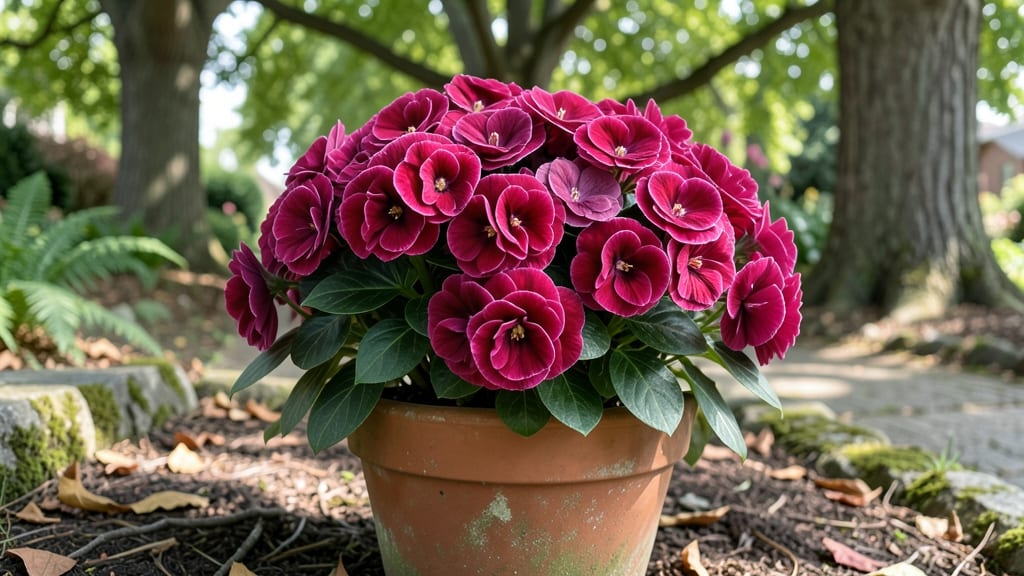
Whether double impatiens are annuals or perennials depends entirely on your climate—most gardeners treat them as annuals, but in frost-free zones like USDA Hardiness Zones 10-11, they self-seed prolifically and return each year. Their survival hinges on winter temperatures and soil conditions.
Double impatiens thrive as perennials only in warm climates where freezing temperatures never occur. 🌿 In cooler regions, they die back with frost but often resprout from seeds dropped the previous season.
The key difference lies in winter hardiness—while they won't survive freezing soil, their seeds remain viable for years, creating natural regrowth. I've seen them return vigorously in Zone 10 gardens where they're protected from even light frosts.
For gardeners in marginal zones, strategic placement near heat-retaining structures or using thick mulch can extend their lifespan. Some varieties also show better cold tolerance than others, so selecting the right cultivar makes a big difference.
The bottom line? In most of the U.S., they'll behave as annuals, but with proper care, they can become self-sustaining perennials in ideal conditions.
💡 In This Article
- Climate Factors That Determine Impatiens Lifespan
- Strategies to Encourage Year-Round Impatiens Growth
Climate factors that determine impatiens lifespan
Double impatiens (Impatiens walleriana) thrive as perennials only in frost-free zones because their tender stems and leaves can't tolerate temperatures below 32°F. In USDA Hardiness Zones 10-11, where winter lows rarely drop below 40°F, they naturally self-seed and regrow annually.
The key mechanism is their seed viability—these flowers produce thousands of seeds that remain dormant but viable in the soil for 2-3 years, waiting for warm conditions to germinate.
The critical threshold is 28°F6-12 inches deep) make them especially vulnerable to cold soil temperatures, which is why they struggle in northern climates where ground freezes.
Microclimates play a surprising role—impatiens planted near south-facing walls, patios, or under deciduous trees often survive slightly colder winters. These spots receive reflected heat during the day and radiant heat at night, creating 5-10°F warmer conditions than open garden beds.
I've observed impatiens thriving in Zone 8 gardens when protected by brick walls, where nighttime temperatures stayed above 35°F consistently.
Soil moisture retention is equally important. In dry climates, impatiens seeds may not germinate reliably even in warm winters because they need consistently moist soil to break dormancy. The plants' native habitat in tropical West Africa explains this—they evolved where rainfall is abundant year-round.
In contrast, Mediterranean climates with dry summers often see impatiens fail to establish permanently despite warm winters.
Here's what happens biologically: When temperatures drop below 50°F, impatiens enter a state of dormancy where metabolic processes slow dramatically. Their leaves yellow and drop, but the roots remain active until soil temperatures fall below 45°F.
This explains why mulching with 4-6 inches of organic matter can extend their growing season by 2-4 weeks in marginal zones.
For comparison, consider how other tropical plants behave: hibiscus (Zone 9-11) and bougainvillea (Zone 10-11) have similar cold sensitivities, but impatiens are more delicate because they lack the thick, woody stems that other tropicals develop. Their entire structure is designed for rapid growth in warm, humid conditions—not cold tolerance.