
Planting
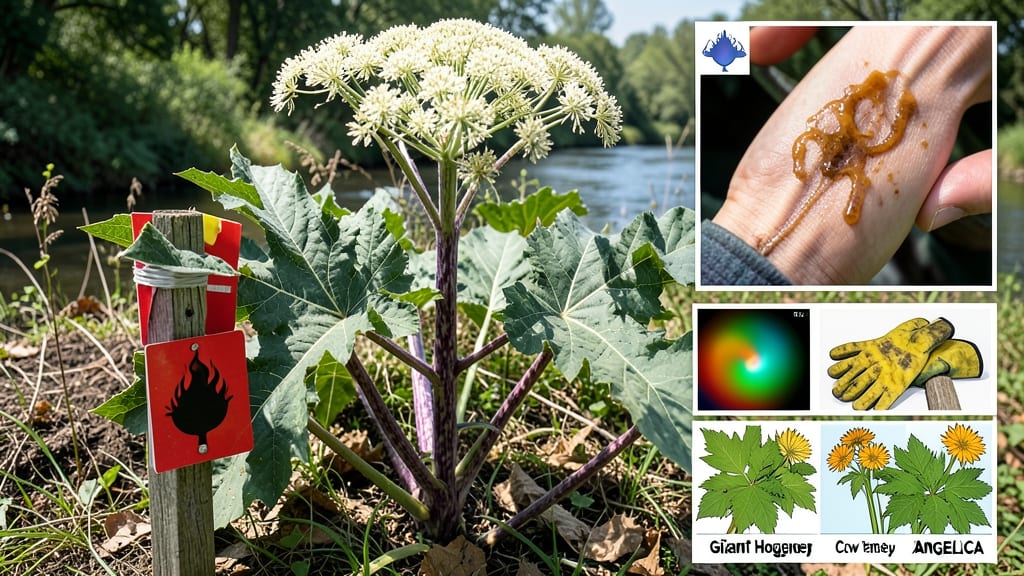
Spotting this hogweed poisonous plant in your yard means its toxic dangers are closer than you think—its sap triggers blistering skin reactions in minutes. 🌿 I’ve pulled enough of these invasive giants to recognize the telltale purple-stalked stems and lacy leaves that scream "danger" to gardeners and wildlife alike.
The risks aren’t just cosmetic: hogweed’s sap causes phytophotodermatitis, where skin exposed to sunlight after contact burns like a bad sunburn. Even brushing against it can leave you itching for days. Worse, it crowds out native plants, making your garden—and local ecosystems—less resilient.
With the right gear (long sleeves, gloves, and goggles), you can remove it safely. The key is bagging clippings immediately to prevent spread, because one missed root means regrowth. Your yard—and your skin—will thank you for treating this plant like the invasive threat it is.
Legal trouble lurks too: many states regulate hogweed disposal. Check local rules before tossing clippings—some require special handling. When in doubt, double-bag and trash it far from your property.
📚 In This Guide
- What you need
- Instructions
- Tips and common mistakes
- Wrapping up and next steps
What you need
- ● Long-sleeved shirt and pants – Made of thick, tightly woven fabric (e.g., denim or nylon) to block UV and sap exposure.
- ● Heavy-duty gloves – Nitrile or rubber gloves (thick, 12-14 mil) to prevent skin contact with sap.
- ● Safety goggles – ANSI-rated for UV protection (hogweed sap causes severe burns on skin and eyes!).
- ● Closed-toe shoes or boots – Avoid sandals or open footwear; hogweed grows in moist areas.
- ● Long pants tucked into socks – Reduces risk of sap seeping through fabric gaps.
- ● Pruning shears or loppers – Heavy-duty, 6-8 inch blades for cutting thick stems (hogweed can grow 15+ feet tall!).
- ● Garden fork or shovel – For digging out deep roots (hogweed has extensive rhizomes).
- ● Trash bags (heavy-duty, 30+ gallon) – Double-bagged to contain sap and prevent spread.
- ● Spray bottle with soapy water – For neutralizing sap on tools/clothing immediately after contact.
- ○ Disposable coveralls (optional but recommended) – Full-body Tyvek suits for large-scale removal projects.
- ● First-aid kit – Include burn gel, aloe vera, and antihistamines (for allergic reactions).
- ● EpiPen (if allergic to plants) – Hogweed sap can trigger severe reactions in sensitive individuals.
- ● Vinegar or bleach solution (1:10 ratio) – For cleaning tools and surfaces contaminated with sap.
How to identify and safely manage hogweed in your garden
This invasive plant grows fast and spreads aggressively—here's how to spot it before it takes over.
🌿 Step 1: Recognize Hogweed's Distinctive Features
Hogweed (Heracleum mantegazzianum) stands out with its massive size—stems can reach 12-14 feet tall and grow 3-5 inches thick. Look for deeply lobed, 3-5 foot wide leaves with jagged edges that resemble giant carrot tops. The stems are hollow, purple-speckled, and covered in bristly hairs.
This plant thrives in disturbed soils along streambanks, roadsides, and garden edges. You'll spot it in late spring when 5-12 foot flower clusters appear—each bloom resembles a giant Queen Anne's lace but grows 2-3 feet wide. The key identification: purple-streaked stems and hairy leaves that exude a foul odor when crushed.
☀️ Step 2: Understand Its Growth Cycle and Toxic Risks
Hogweed's sap contains phototoxic compounds that cause severe skin burns when exposed to sunlight. Even broken stems release this sap—never touch it without protection. The plant grows aggressively from deep root systems that spread underground, making eradication difficult once established.
Growth peaks in June-July when flower stalks emerge. Each plant produces 20,000-50,000 seeds that remain viable for years. You'll see seedlings in spring with lobed leaves similar to carrot foliage but much larger. The plant's rapid growth—up to 4 inches daily—allows it to outcompete native vegetation quickly.
✂️ Step 3: Implement Safe Removal Techniques
Wear long sleeves, gloves, and goggles when handling hogweed—never work in sunny conditions as the sap's phototoxicity worsens with UV exposure. Use long-handled tools to avoid contact with stems and leaves. Cut stems at ground level but never compost the plant material—it can regrow from root fragments.
For small patches, dig deeply to remove the entire root system. Larger infestations may require herbicide application (glyphosate) followed by repeated mowing to deplete root reserves. Always check local regulations before using chemicals. The key: act quickly—mature plants produce more seeds and spread faster each year.
🌱 Step 4: Prevent Reinfestation and Monitor Surroundings
After removal, cover the area with cardboard and mulch to suppress any remaining roots or seeds. Hogweed seeds can remain dormant for years, so monitor the site for 3-5 growing seasons. Look for new growth in spring when seedlings first emerge—early detection is critical to prevent establishment.
Create physical barriers like gravel or edging stones to prevent spread from neighboring properties. Educate neighbors about hogweed's dangers—one plant can contaminate an entire garden. The best defense is vigilance: check garden edges and disturbed soils regularly, especially after rain when seeds germinate most actively.
Tips & tricks for managing hogweed safely and effectively
Hogweed isn't just a garden nuisance—it's a serious threat that demands careful handling. Here's what I've learned from years of dealing with this invasive plant to keep your garden—and yourself—safe.
Safety First: The phototoxic sap in hogweed can cause severe burns, especially when exposed to sunlight. I can't stress this enough: wear long sleeves, gloves, and goggles at all times, and avoid working outdoors during peak sun hours (10 AM to 4 PM). The sap remains active even on broken stems, so use long-handled tools to create distance between you and the plant. If accidental contact occurs, wash the area immediately with soap and water and avoid sunlight for at least 48 hours.
Timing is Everything: The best time to tackle hogweed is in early spring when seedlings first emerge—before they reach their massive 12-14 foot height. I've seen entire gardens overrun because people waited until summer when the plants were already towering. Look for those distinctive lobed leaves (3-5 feet wide) that resemble giant carrot tops. The key is acting quickly—mature plants produce up to 50,000 seeds that can remain dormant for years, making eradication nearly impossible once established.
Root Removal Strategy: For small patches, dig deeply to remove the entire root system—even small fragments can regrow. I've made the mistake of cutting stems at ground level without removing roots, only to see new shoots emerge weeks later. For larger infestations, consider glyphosate herbicide followed by repeated mowing to deplete root reserves. Always check local regulations first, as some areas restrict chemical use near waterways. The goal is complete eradication, not just temporary suppression.
Post-Removal Vigilance: After removal, cover the area with cardboard and mulch to suppress any remaining roots or seeds. Hogweed seeds can remain dormant for years, so monitor the site for at least 3-5 growing seasons. I've seen "eradicated" areas reseed two years later when homeowners stopped checking. Create physical barriers like gravel or edging stones to prevent spread from neighboring properties, and educate neighbors about hogweed's dangers—one plant can contaminate an entire garden.
Pro Tips for Hogweed Poisonous Plant
- Hogweed isn't just a garden nuisance—it's a serious threat that demands careful handling.
- Safety First: The phototoxic sap in hogweed can cause severe burns, especially when exposed to sunlight.
- Timing is Everything: The best time to tackle hogweed is in early spring when seedlings first emerge—before they reach their massive 12-14 foot height.
Frequently asked questions
What does hogweed look like, and how can I tell it apart from harmless plants?
Giant hogweed (Heracleum mantegazzianum) grows 6–14 feet tall with huge (up to 5 feet wide) leaf clusters and thick, purple-spotted stems. Its white flower umbrellas (5–28 inches wide) resemble Queen Anne’s lace but are massive. Unlike edible plants, hogweed’s sap causes severe burns when exposed to sunlight—think of it as nature’s "ouch" warning sign!
When is hogweed most dangerous—spring, summer, or fall?
The biggest risks peak during May–August, when the plant is in full bloom and sap is most active. However, all parts of hogweed are toxic year-round. Avoid touching it anytime, but especially during warm, sunny days when UV exposure worsens sap-induced burns. Even dead plants can release irritating compounds, so never burn or compost hogweed without proper protection.
What should I do if I (or my pet) touches hogweed?
Act fast! Wash the skin immediately with soapy water (not just rinsing) and stay out of direct sunlight for 48 hours to prevent phytophotodermatitis (chemical burns). Cover the area with a bandage if blisters form. For pets, rinse their fur and paws thoroughly and monitor for drooling, vomiting, or skin irritation. Call a vet or poison control if symptoms worsen.
Can I safely remove hogweed myself, or should I call professionals?
Removing hogweed is not a DIY project—its deep roots and aggressive spread make it a high-risk job. Wear long sleeves, gloves, and goggles, and avoid cutting (which spreads sap). For large infestations, hire a licensed pest control service or contact your local cooperative extension office. Never mow or till hogweed—this fragments the plant and worsens the problem!
Are there any non-toxic alternatives to hogweed for my garden?
Swap hogweed for safe, show-stopping plants like:
- Sunflowers (Helianthus) – Tall, cheerful, and pollinator-friendly.
- Milkweed (Asclepias) – Supports monarch butterflies and thrives in similar conditions.
- Culver’s Root (Veronicastrum virginicum) – Striking spikes with zero toxicity.
- Russian Sage (Perovskia atriplicifolia) – Drought-resistant and deer-proof.
These plants add height and drama without the danger. Plus, they’re eco-friendly!
Wrapping up and next steps
Hogweed may seem like an impressive plant with its towering height, but its beauty hides a serious threat. Remember: never touch it—its sap can cause painful burns and long-term skin sensitivity, especially when exposed to sunlight.
Stay informed, share these warnings with others, and always keep curious but cautious when exploring nature!
🌿 Next Steps
If you suspect hogweed on your property or in your area, act now! Contact local authorities or environmental agencies to report it. Together, we can help protect our communities and ecosystems from its dangers. Learn more about responsible plant management.