
Planting
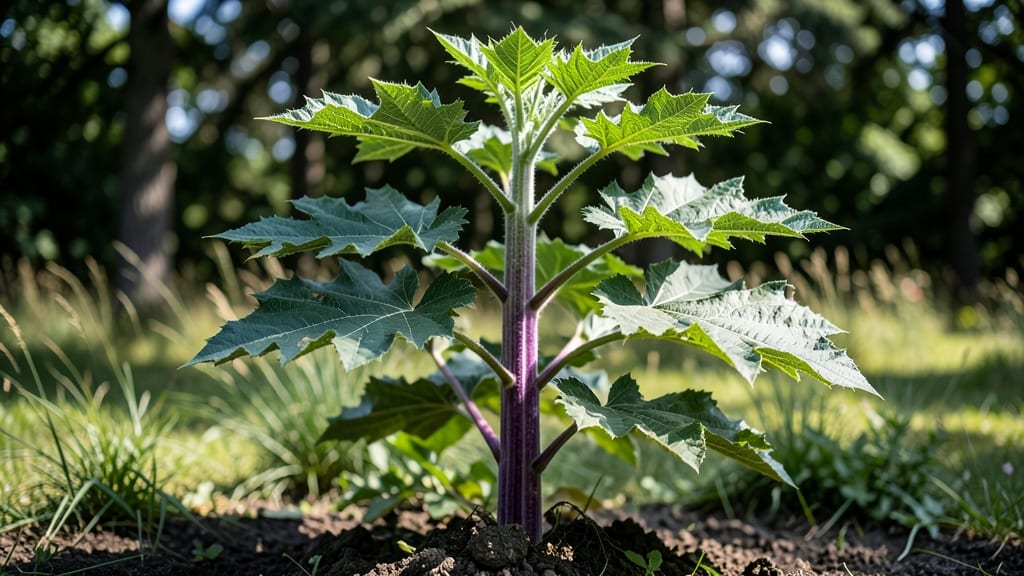
Spotting a young hogweed plant early could save you weeks of painful blisters. 🌱 This invasive weed starts small but grows into a towering giant that packs phototoxic sap—one brush against its stems or leaves can cause severe skin reactions within minutes.
The key is catching it before it reaches waist height, when removal is easiest and spread is preventable.
Here’s what to watch for: smooth, hollow stems with purple splotches, deeply lobed leaves that resemble carrot foliage but grow much larger, and a rosette pattern when young. Unlike edible plants, hogweed’s leaves have a distinctive ferry-wheel shape with jagged edges, and its sap smells faintly musty when crushed.
Confuse it with wild carrots? Just remember—carrot leaves are feathery and never reach 6 feet tall like hogweed.
If you find one, never pull by hand—the broken stems release more sap and can spread seeds. Instead, dig it out with gloves, a shovel, and eye protection, then double-bag the plant in plastic and dispose of it in sealed trash.
Burn it if possible, but never compost it—those seeds can lie dormant for years. A single missed plant can become a 10-foot monster by summer, so act fast.
Prevention starts with knowing your landscape. Hogweed thrives in disturbed soils, so mulch bare spots, monitor ditches and riverbanks, and never transport plants from wild areas. If you’re near water, check regularly—this weed spreads rapidly along streams and can outcompete native vegetation.
Stay vigilant, and you’ll keep your garden (and your skin) safe.
📚 In This Guide
- What you need
- Instructions
- Tips and common mistakes
- Wrapping up and next steps
What you need
- ● Gloves (heavy-duty, long-sleeved): 1 pair (nitrile or leather, rated for thorn/chemical resistance). Pro tip: 💡 Hogweed sap can cause skin irritation—never skip this!
- ● Eye protection: Safety goggles (ANSI-rated) to shield against sap splashes.
- ● Hand trowel or small shovel: 1 (for digging out young plants). A serrated edge helps pry roots.
- ● Pruners or shears: 1 pair (sterilized with rubbing alcohol to prevent spread).
- ● Trash bags (heavy-duty, sealed): 2–3 bags (for disposal—never compost hogweed!).
- ● Spray bottle with soapy water: 1 (for rinsing tools between uses).
- ● GPS or mapping app: To log hogweed sightings (e.g., iNaturalist or EDDMapS).
- ● Field guide or plant ID app: 1 (e.g., PlantNet or a giant hogweed-specific guide).
- ● Disposable coveralls: 1 set (for large infestations or sensitive skin).
- ● Vinegar spray (20% acetic acid): 1 gallon (for spot treatment on young plants—test on a small area first).
- ● Knowledge of local regulations: Hogweed is often illegal to transport—check your state’s invasive species laws.
- ● Weather check: Cool, overcast days reduce sap irritation risks.
- ● Team up: 2+ people recommended for safety (especially when handling large plants).
How to identify and manage young hogweed plants
Spotting hogweed early saves you from dealing with a towering, sap-burning menace later.
🌱 Step 1: Learn the Key Visual Clues of Young Hogweed
Young hogweed plants look deceptively harmless, but their identifying features start showing early. Look for deeply lobed leaves that resemble carrot greens but with hairy stems and a purplish tint when crushed. The leaves grow in a basal rosette—a circular pattern close to the ground—before bolting upward.
Here's the thing: the sap is dangerous even at this stage, so wear gloves when handling. Run your fingers along the stem—if it feels fuzzy and exudes a milky liquid, that's your first red flag. The plant will also have stiff, erect hairs along the edges of the leaves, another telltale sign.
🌿 Step 2: Compare With Look-Alikes to Confirm
Hogweed mimics wild carrots and cow parsley, so don't pull anything without confirming. Wild carrots have feathery, lacy leaves and a tapered shape, while hogweed leaves are broader, more rounded, and often have three prominent lobes. Hold the plant up to sunlight—hogweed's stems are hollow when mature, but even young stems feel thicker and more rigid than similar plants.
I always check the leaf arrangement: hogweed's leaves grow in a whorled pattern around the stem, while wild carrots have alternate leaves. Snap a stem—if it snaps cleanly and releases a strong, unpleasant odor, it's likely hogweed. Wild carrots smell sweet and aromatic.
✂️ Step 3: Remove Young Plants Safely
Never pull hogweed by hand—its sap causes phytophotodermatitis, a painful skin reaction when exposed to sunlight. Grab the base of the plant with thick gardening gloves and dig out the entire root system. Hogweed roots are thin but deep, so use a trowel to avoid breaking off pieces that can regrow.
Double-bag the plant in heavy-duty trash bags and dispose of it immediately. Don't compost—even small fragments can sprout. After handling, wash your tools and gloves with soapy water to remove any residual sap. I also rinse my hands with vinegar afterward as an extra precaution.
🌱 Step 4: Monitor the Area for Regrowth
Hogweed spreads aggressively, so check the same spot weekly for new shoots. Young plants grow fast, so early detection is critical. If you find any, repeat the removal process immediately. Mark the area with flags or stakes to track where hogweed has been—this helps you stay vigilant.
Here's what I do next: I apply a layer of cardboard and mulch over the soil where the plant was removed to block sunlight and prevent new growth. For stubborn patches, a vinegar-based herbicide (5% acetic acid) can help, but test it on a small area first to avoid damaging surrounding plants.
💧 Step 5: Prevent Future Hogweed Growth
Hogweed thrives in disturbed soil, so avoid tilling the area where you removed it. Instead, smother the ground with thick mulch or plant competitive ground covers like clover or creeping thyme. These plants outcompete hogweed for space and sunlight, making it harder for new seedlings to establish.
If hogweed keeps reappearing, consider professional removal—some infestations require herbicides or repeated digging over multiple seasons. I've seen hogweed return after just one missed root, so persistence is key. Keep an eye out for new rosettes in spring, and act fast before they bolt into those dangerous 10-foot giants.
Tips & tricks for spotting and handling young hogweed plants
Real talk: Hogweed starts small but grows into a nightmare. Here's what I've learned from years of battling it in my garden.
Leaf Arrangement is Your Best Clue: In Step 1, when checking for that basal rosette, pay special attention to how leaves attach to the stem. Hogweed leaves grow in a whorled pattern—multiple leaves radiating from the same point around the stem. Wild carrots have alternate leaves, so this visual difference is your fastest confirmation. I keep a small notebook with leaf sketches to compare when I'm unsure.
Sap Test is Non-Negotiable: The moment you suspect hogweed, do this: crush a leaf between your fingers. A purplish tint and milky sap are dead giveaways. I've made the mistake of touching it without gloves—don't make my mistake! The sap causes painful burns when exposed to sunlight. Always wear gloves, and if sap touches your skin, wash immediately with soap and water.
Root Removal Requires Patience: In Step 3, when digging out the roots, don't rush. Hogweed roots can extend 2-3 feet deep and break easily. I use a trowel to gently loosen the soil around the base before pulling. Even small root fragments can regrow, so be thorough. After removal, I rinse the trowel with vinegar to kill any lingering sap.
Monitoring is Your Secret Weapon: The weekly check in Step 4 isn't just about spotting new growth—it's about understanding your garden's patterns. Hogweed often returns in the same spots, so mark those areas with flags or stakes. I've found that combining this with a thick layer of mulch (like cardboard + straw) prevents 90% of regrowth. For stubborn patches, I use a 5% vinegar solution in a spray bottle—it's effective but test it on a small area first.
Pro Tips for Hogweed Young Plant
- Real talk: Hogweed starts small but grows into a nightmare.
- Leaf Arrangement is Your Best Clue: In Step 1, when checking for that basal rosette, pay special attention to how leaves attach to the stem.
- Sap Test is Non-Negotiable: The moment you suspect hogweed, do this: crush a leaf between your fingers.
Frequently asked questions
Got questions about young hogweed plants?
You’re not alone! Here are some of the most common concerns—and answers—to help you stay informed and safe.
How can I tell if a young hogweed plant is dangerous?
Young hogweed (Heracleum mantegazzianum) looks like harmless wild carrot or Queen Anne’s lace, but its large, hairy stems and deeply lobed leaves (3–5 feet wide) are key clues. Avoid touching it—its sap can cause severe burns when exposed to sunlight. If in doubt, take a photo and compare it to trusted guides.
When is the best time to remove young hogweed?
Act fast! Remove hogweed before it flowers (May–July), when it’s easiest to pull by hand or dig out roots. After flowering, seeds spread aggressively—waiting makes eradication harder. Wear gloves and long sleeves, and dispose of plants in sealed bags to prevent regrowth.
What are safe alternatives if I accidentally touch hogweed?
If exposed, wash skin immediately with soap and water, then rinse with vinegar or baking soda solution. Avoid sunlight for 48 hours. For severe reactions (blisters, swelling), seek medical help—this isn’t a typical plant rash. Prevention is key: never crush stems or let sap dry on skin!
Can I use vinegar or other natural methods to kill young hogweed?
Yes! A 20% vinegar solution (or 1 part vinegar to 3 parts water) sprayed directly on leaves can kill young plants. For larger patches, glyphosate (follow label instructions) works, but test on a small area first. Reapply every 7–10 days until the plant dies—persistence is critical!
What should I do if hogweed is near my home or garden?
Contain it immediately—hogweed spreads via seeds and roots. Dig up the entire root system (even small fragments regrow), and monitor the area for new shoots. Report sightings to local invasive species programs—early intervention prevents infestations. Never compost hogweed; double-bag and dispose of it.
Wrapping up and next steps
Identifying young hogweed before it matures is your first line of defense against its dangerous sap and invasive spread.
By learning its distinctive features—lobed leaves, purple-streaked stems, and umbrella-shaped flower clusters—you can act early to protect your garden and community. Stay vigilant, share what you know, and report sightings to local authorities or invasive species programs to help contain it.
Ready to take action? Grab your gardening tools, snap a photo, and reach out to experts—your efforts make a real difference! 🌱💪