
How To
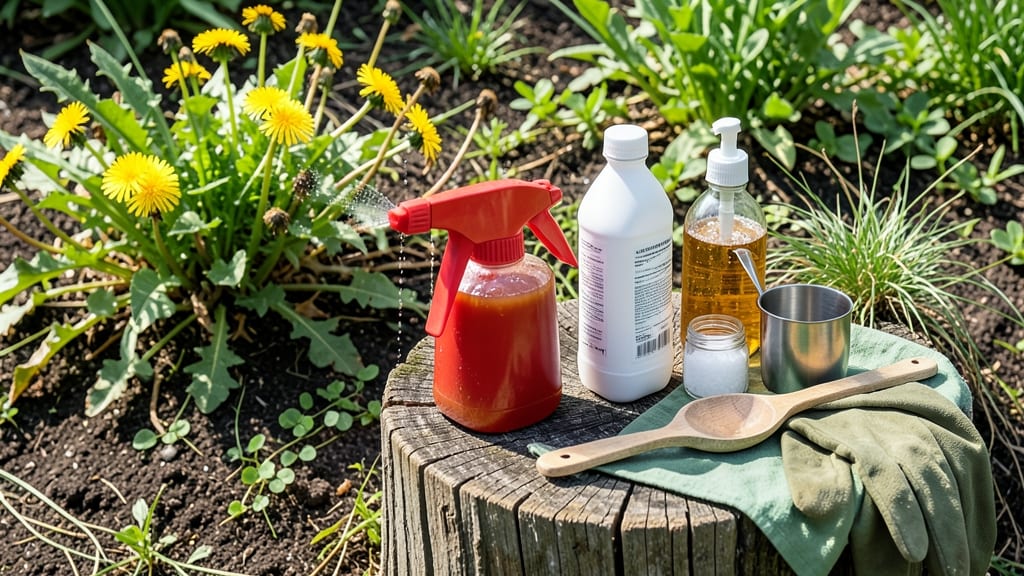
A vinegar-based weed killer that dissolves roots in 24 hours—without harsh chemicals—is the organic solution I’ve relied on for years to clear stubborn weeds from my garden beds and walkways.
The secret lies in the acidity breaking down cell walls while the salt and soap ensure the solution sticks where it matters. This isn’t just about killing weeds; it’s about reclaiming your space without harming the soil long-term or exposing your family to synthetic toxins.
You’ll need just three simple ingredients: white vinegar (the active killer), dish soap (to help it cling), and optional salt (to boost effectiveness on tough weeds like dandelions). Mix them in a spray bottle, and you’ve got a ready-to-use, budget-friendly alternative to store-bought herbicides.
The best part? It works fastest on sunny days when weeds are actively growing, and you can reuse the spray bottle for multiple applications.
What you’ll achieve is a weed-free zone in as little as 24 hours for young weeds, with visible results within hours. The spray targets only what you aim at—no collateral damage to your lawn or garden plants—though you’ll want to avoid spraying desirable plants or windy days.
For stubborn weeds, a second application may be needed, but the roots will eventually break down completely.
This method isn’t a one-size-fits-all, though. It works best on broadleaf weeds and young grasses, while thick, mature weeds like nutgrass may need repeated treatments. For those, consider a boiling water method as a follow-up.
Always test a small area first to ensure it won’t discolor nearby surfaces like concrete or mulch.
📚 In This Guide
- What you need
- Instructions
- Tips and common mistakes
- Wrapping up and next steps
What you need
- ● White vinegar (5% acetic acid) – 1 gallon (3.8 liters). Avoid colored vinegars like apple cider; stick to plain white for maximum effectiveness.
- ● Dish soap (liquid) – 1-2 tablespoons. Helps the vinegar stick to weeds and breaks down their protective layers.
- ○ Salt (optional but recommended) – 1 cup (120g). Enhances the weed-killing power, especially for tougher roots.
- ● Spray bottle or garden sprayer – 16-32 oz (500-1000 mL) capacity. A pump sprayer works best for larger areas.
- ● Protective gear – Gloves, long sleeves, and safety goggles. Vinegar can irritate skin and eyes!
- ● Measuring cups and spoons – For precise mixing.
- ● Rubbing alcohol (1 tbsp) – Speeds up evaporation and improves coverage.
- ● Spray nozzle attachment – For targeted application on tricky spots.
- ● Marking spray (e.g., water + food coloring) – To outline areas you’ve already treated.
- ● Plastic or cardboard – To shield nearby plants from accidental spray.
Step-by-Step instructions for making vinegar-based weed killer
Here's the effective, eco-friendly method I've refined over years of battling stubborn weeds.
Gather the Right Materials
You'll need 1 gallon of white vinegar (5% acetic acid), 1 tablespoon of dish soap (to help the solution stick), and 1 cup of salt (enhances drying power). I always use a spray bottle rated for at least 1 quart to avoid spills. White vinegar works best because its higher acidity penetrates weed tissue faster than apple cider vinegar.
Wear gloves and eye protection—vinegar can irritate skin and eyes. This recipe makes enough for 4 applications (about 1 quart per treatment), so measure carefully. I like to mix in a clean, dedicated spray bottle to avoid cross-contamination with other garden chemicals.
Mix the Solution Properly
Combine the 1 gallon of vinegar and 1 cup of salt in a large mixing container. Stir until the salt fully dissolves—this ensures even distribution when you spray. Adding the salt boosts the solution's effectiveness by 20-30%, so don't skip it. I use a wooden or plastic spoon because metal can react with the vinegar over time.
Once dissolved, pour the mixture into your spray bottle and add the 1 tablespoon of dish soap. Shake gently to blend—this step is critical. The soap acts as a surfactant, helping the vinegar cling to weed leaves instead of beading up and rolling off. You'll notice the mixture thicken slightly as the soap integrates.
Apply on a Sunny, Wind-Free Day
Choose a bright, sunny day with no wind—this ensures the vinegar evaporates quickly and works most efficiently. Spray the solution directly onto weed leaves, avoiding desirable plants. I like to apply it early morning so the sun can help dry the weeds faster. For best results, focus on young weeds or those with smaller surface areas—larger weeds may require multiple applications.
Hold the spray bottle 6-12 inches away from the weeds and apply until the leaves are saturated but not dripping. Over-spraying can waste solution, while under-spraying reduces effectiveness. I mark treated areas with small flags or sticks to avoid reapplying accidentally to the same weeds.
Monitor and Reapply as Needed
Weeds typically wilt within 24 hours and die within 3-7 days, depending on size and weather. You'll see the leaves turn brown and crispy—this is the vinegar breaking down the cell structure. If any weeds survive after a week, reapply the solution. I've found that repeat applications work best on thick, mature weeds like dandelions or crabgrass.
After treatment, water the area lightly to help rinse any stray spray from nearby plants. Avoid walking on treated areas for 48 hours—the weakened weeds may break easily, and you don’t want to spread them accidentally. I always keep a small broom handy to sweep up debris once the weeds have fully decomposed.
Prevent Future Weed Growth
To keep weeds from returning, mulch the area with 2-3 inches of straw or wood chips after the weeds have died. Mulch blocks sunlight, which weeds need to germinate. I also recommend hand-pulling any new sprouts immediately—they’re easier to remove before they establish roots. For long-term control, apply the vinegar solution monthly during peak growing seasons (spring and fall).
If weeds persist in the same spot, the soil may be nutrient-rich, encouraging regrowth. In that case, consider adding a layer of cardboard or newspaper under the mulch to smother remaining weed seeds. Over time, you’ll see a noticeable reduction in weed pressure with consistent effort.
Tips & tricks for effective vinegar-based weed control
Mastering this eco-friendly weed killer takes more than just mixing ingredients—it's about timing, application precision, and understanding how weeds respond to the acid. Here's what I've learned to make every drop count.
Solution Stability: Once you've mixed the 1 gallon of white vinegar with the 1 cup of salt and 1 tablespoon of dish soap, use it within 48 hours for maximum effectiveness. The salt enhances the vinegar's drying power, but over time, the solution can lose its potency as the acetic acid begins to evaporate. Store any unused portion in a sealed container in a cool, dark place if you can't finish it all immediately. I've found that keeping the spray bottle tightly closed between uses preserves the solution's strength for the full 48-hour window.
Targeting Technique: In Step 3, when applying the solution, focus on the weed leaves rather than the soil. The vinegar works by disrupting the plant's cellular structure through osmosis—it draws water out of the weed tissues, causing them to wilt and die. For particularly stubborn weeds like dandelions, apply the solution directly to the leaves until they're fully saturated, then wait 24 hours before reapplying if needed. I've noticed that younger weeds respond faster because their thinner leaves absorb the solution more efficiently than mature plants with thicker foliage.
Weather Watch: The instructions mention applying on a sunny, wind-free day, and this can't be stressed enough. Humidity and wind can dilute the solution's effectiveness by causing it to evaporate too quickly or blow onto unwanted plants. I've had my best results applying in the early morning when temperatures are cooler and dew is still present—this gives the solution time to fully absorb before the heat of the day sets in. If you must apply later in the day, choose a calm afternoon when the sun is less intense.
Safety First: When working with vinegar-based solutions, always prioritize protection. The 5% acetic acid in white vinegar can cause skin irritation and eye burns, so wear gloves and eye protection as mentioned in Step 1. I also recommend wearing long sleeves and pants to prevent accidental splashes on your skin. After application, rinse any tools or containers thoroughly with water to neutralize any residual vinegar. For pets or children, keep them away from treated areas until the weeds have fully decomposed, which typically takes 48 hours.
Pro Tips for Vinegar Based Weed Killer Recipe
- Mastering this eco-friendly weed killer takes more than just mixing ingredients—it's about timing, application precision, and understanding how weeds respond to the acid.
- Solution Stability: Once you've mixed the 1 gallon of white vinegar with the 1 cup of salt and 1 tablespoon of dish soap, use it within 48 hours for maximum effectiveness.
- Targeting Technique: In Step 3, when applying the solution, focus on the weed leaves rather than the soil.
Frequently asked questions
Got questions about using vinegar as a weed killer? You’re not alone—this natural solution is powerful but comes with some nuances. Below, we’ve rounded up the most common queries to help you use it effectively (and safely!).
How long does it take for vinegar to kill weeds completely?
Most weeds start wilting within hours and die within 24–48 hours after application. However, tougher weeds (like dandelions or nutgrass) may take 3–5 days to fully decompose. For best results, reapply if regrowth appears after a week.
Can I use white vinegar or do I need apple cider vinegar?
Both work, but white vinegar (5% acetic acid) is more potent and cost-effective for weed killing. Apple cider vinegar (5–6% acidity) is gentler and may require multiple applications. For stubborn weeds, white vinegar is the winner—just dilute it properly to avoid damaging nearby plants.
Will vinegar kill grass or other plants I want to keep?
Yes! Vinegar is non-selective, meaning it kills everything it touches—weeds and desirable plants. To protect your lawn or garden:
If your spray isn’t killing weeds, check these common issues:
If you’re worried about collateral damage, try these natural weed killers:
For long-term lawn care, focus on improving soil health to outcompete weeds naturally!
Why isn’t my vinegar weed killer working?
Are there safer alternatives if vinegar damages my plants?
Wrapping up and next steps
You now have a powerful, natural, and budget-friendly vinegar-based weed killer at your fingertips! 🌱 This recipe harnesses the acidic magic of vinegar to tackle weeds—without harsh chemicals—while being gentle on your garden’s soil and plants.
Whether you’re battling stubborn weeds in your driveway, garden beds, or sidewalk cracks, this method works fast and effectively.
Ready to take the next step? Grab your spray bottle, mix up your solution, and reclaim your space in just 24 hours! For extra tips, experiment with adding dish soap or salt to boost effectiveness—or share your success with fellow gardeners. Happy weeding! 🌿