
Companion Plants
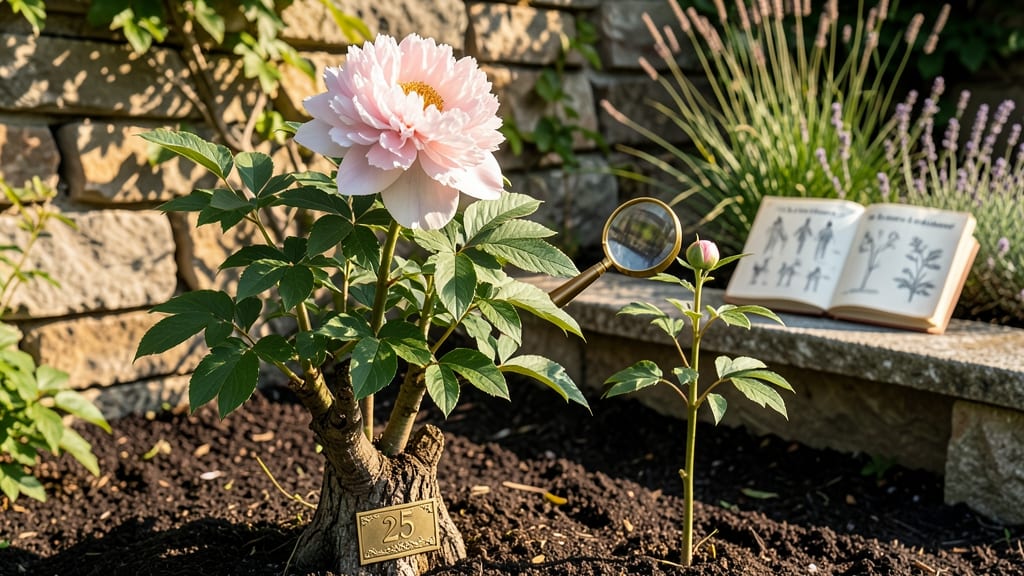
Perennial plants live for multiple growing seasons, typically ranging from 3 to 20+ years, depending on species, environmental conditions, and care. Some hardy varieties like peonies or hostas thrive for decades, while others may decline after 5–10 years without rejuvenation.
Perennial plants are the garden's long-term investments, designed to return year after year with proper conditions. 🌱 The lifespan differences come down to two key factors: their genetic hardiness and how well you adapt care to their needs.
For example, lavender often lives 5–10 years in ideal Mediterranean climates but may struggle beyond 3 years in humid regions. Meanwhile, established shrubs like butterfly bush can easily surpass 20 years with consistent pruning and soil health maintenance.
What many gardeners overlook is that perennials don't just "age out"—they often signal decline through changes in blooming patterns or leaf quality. 💫 Recognizing these early signs lets you revive struggling plants through division or targeted care before they fade completely.
💡 In This Article
- Factors Determining Perennial Plant Lifespans
- Extending Perennial Plant Longevity: Pruning and Care Tips
Factors determining perennial plant lifespans
The lifespan of perennial plants begins with their genetic blueprint. Some species, like peonies, carry genes that allow them to live for 50+ years under ideal conditions, while others, such as biennials mistakenly labeled as perennials, may only return for 2–3 seasons.
This genetic programming determines how well a plant can repair itself, resist pests, and adapt to seasonal changes. For example, hostas store energy in their thick rhizomes, enabling them to survive harsh winters and regrow annually, while delicate perennials like lungwort may only last 5–10 years without intervention.
Climate plays a critical role in longevity, particularly through the USDA hardiness zones. A plant thriving in Zone 5 (like coneflowers) might live 10–15 years, while the same species in Zone 9 could struggle beyond 5 years due to heat stress or improper dormancy.
Soil health is equally vital—perennials in nutrient-poor soil often decline faster because they can't sustain root growth. For instance, black-eyed Susans in well-amended soil can live 15+ years, but in depleted soil, they may only persist for 3–5 years before fading.
Water access and disease resistance also shape lifespans. Overwatering or poor drainage can rot roots, cutting a plant’s life short by years, while drought-tolerant species like sedum thrive for decades with minimal care.
Disease resistance is equally critical—rust-prone perennials like daylilies may live 10 years in dry climates but only 3–5 years in humid regions without fungicide treatments. Even the smallest factors, like airflow around foliage, can prevent fungal infections that accelerate decline.
Seasonal stress further impacts longevity. Perennials in regions with freeze-thaw cycles develop stronger survival mechanisms, while those in mild climates may grow weakly without winter dormancy.
For example, Russian sage in Zone 4 can live 20+ years, but in Zone 8, it might only reach 8–10 years without winter chill. Understanding these environmental pressures helps gardeners extend lifespans through targeted care.
Another key factor is how perennials reproduce. Plants that spread via rhizomes (like iris) or stolons (like mint) often outlive those that rely on seeds, as they can regenerate damaged parts. This biological resilience allows some perennials to recover from pests or diseases that would kill weaker species.
For instance, catmint can regrow from a single stem, while more delicate perennials like columbine may not recover as easily.
Finally, human intervention matters. Over-fertilizing or improper pruning can shorten a plant’s life by disrupting its natural growth cycles. For example, deadheading too aggressively can starve a perennial of energy, while neglecting to divide overcrowded clumps (like peonies every 5–7 years) leads to weaker blooms and shorter lifespans.
Balancing these factors ensures perennials reach their full potential.