
Size
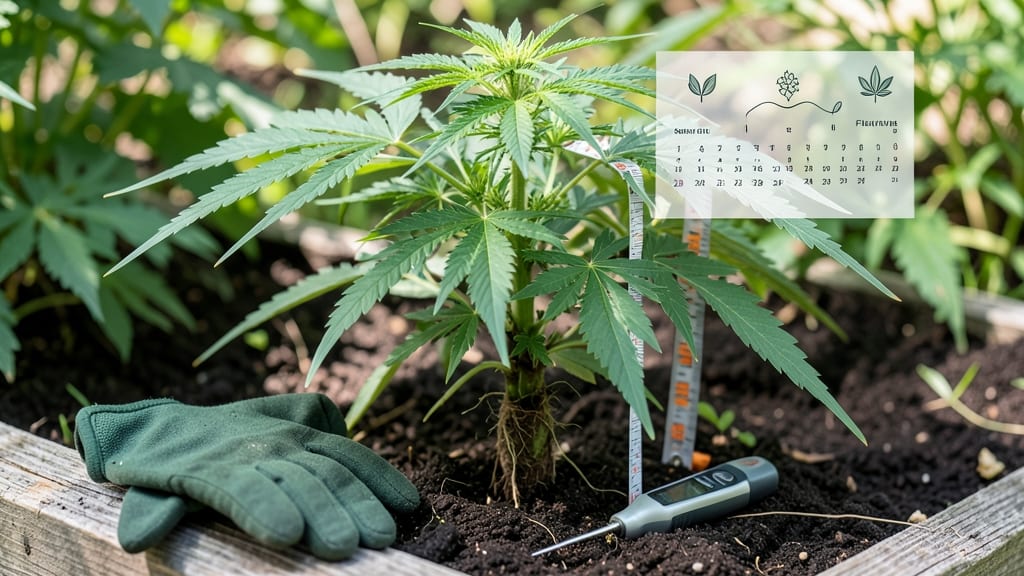
Growing weed outside takes 3 to 5 months from seed to harvest, with fast-flowering sativas maturing in 8-10 weeks and photoperiod-dependent indicas or hybrids requiring 10-14 weeks of vegetative growth before flowering. Your local climate, sunlight exposure, and soil conditions will shift these timelines significantly.
Outdoor cannabis growth is a waiting game where patience pays off—but not all varieties play by the same rules. 🌱 The biggest factor is the strain type: autoflowering varieties can finish in as little as 7-9 weeks from seed, while photoperiod plants need consistent daylight changes to trigger flowering.
I've seen growers in Southern California harvest early sativas by late summer, but up north, you might need to start seeds indoors in early spring to avoid frost. Soil quality matters too—well-draining, nutrient-rich dirt helps plants grow faster and stronger, while poor conditions can stretch timelines by weeks.
Don't forget that outdoor growing seasons vary by region. In warmer climates, you might get two harvests per year, while colder areas might only allow one. Many growers use shade cloth during peak summer months to prevent heat stress, which can slow down growth.
The key is monitoring your plants' progress and adjusting care as needed—because while the average timeline is 3-5 months, the fastest growers can be ready in under 8 weeks!
💡 In This Article
- Outdoor Cannabis Growth Stages and Timeframes
- Best Outdoor Cannabis Varieties for Fast Harvests
Outdoor cannabis growth stages and timeframes
The cannabis growth cycle outdoors unfolds in two distinct phases: vegetative (leaf-focused growth) and flowering (bud development), each with its own timeline influenced by natural light cycles. During the vegetative stage, plants prioritize building strong stems, leaves, and roots—this can take 4-12 weeks depending on the strain.
Photoperiod varieties (like most indicas and sativas) need 12+ hours of daylight to stay vegetative, while shorter days trigger flowering. Autoflowering varieties skip this light-dependent phase entirely, maturing in 7-9 weeks regardless of daylight changes.
Temperature plays a critical role in speeding up or slowing down growth. Ideal daytime temps for outdoor cannabis are 70-85°F, while nights should stay above 55°F. Below 60°F, growth slows dramatically, and below 50°F, buds can develop frost damage.
High humidity (above 60%) during flowering can lead to mold, while dry conditions (below 40%) stress plants. In my experience, coastal regions with mild summers and foggy mornings often produce faster-growing cannabis than hot inland areas, where plants may need extra shade to prevent heat stress.
Light exposure is the game-changer for photoperiod plants. When daylight drops below 12 hours (typically in late summer/fall), flowering begins. This natural light shift is why outdoor harvests often align with seasonal changes—early sativas might finish by late August in Southern California, while northern climates could stretch flowering until October.
Autoflowering varieties, however, flower based on age (not light), so they can be harvested earlier even in shorter growing seasons.
Soil quality directly impacts how quickly plants transition between stages. Well-draining, nutrient-rich soil with pH 6.0-7.0 helps plants absorb water and nutrients efficiently, accelerating growth.
Organic matter like compost or worm castings adds essential microbes that break down nutrients, while poor soil can force plants to divert energy to root development instead of budding. I've seen plants in enriched soil complete their cycle 2-3 weeks faster than those in depleted garden beds.
Here’s how regional climates affect timelines:
- Southern climates (e.g., California, Florida): 3-4 month growing seasons, with some varieties ready by late summer
- Northern climates (e.g., Oregon, Colorado): 4-5 month seasons, often requiring indoor starts
- Mountain regions (e.g., Nevada, Utah): Shorter seasons (3-4 months) due to cooler temps and earlier frosts
Even with ideal conditions, outdoor growers must account for unpredictable weather—sudden heatwaves, droughts, or early frosts can derail timelines. That’s why many experienced growers plant multiple varieties with staggered flowering periods, ensuring at least one successful harvest per season. The fastest outdoor harvests I’ve witnessed were with autoflowering varieties in controlled microclimates, where plants reached maturity in just 7 weeks—a far cry from the 5-month average!