
Blooming
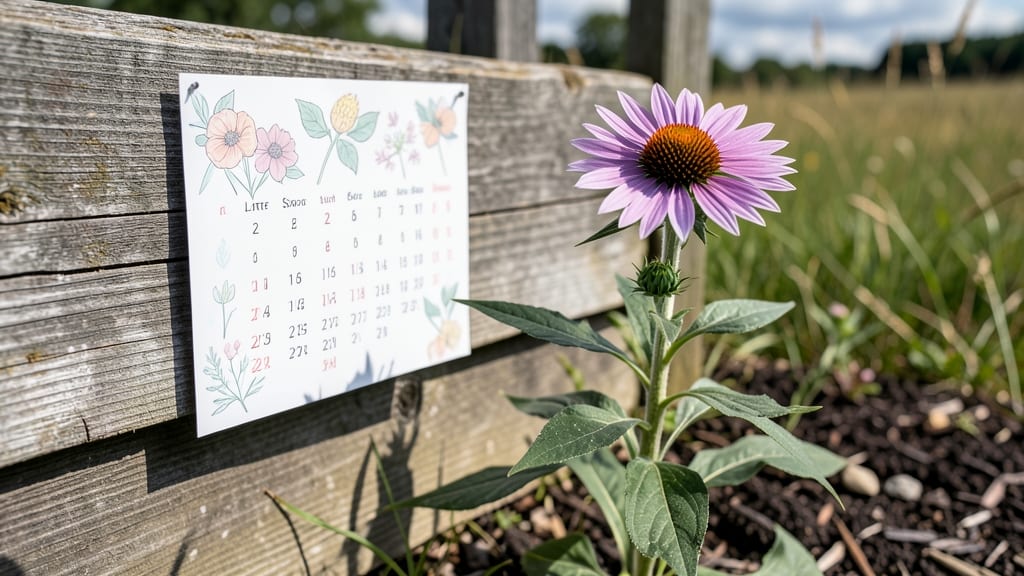
Perennials bloom at varying frequencies depending on the species, typically flowering once per year for spring-bloomers, twice for repeat-bloomers, or sporadically for biennials. Some, like peonies, produce annual blooms for decades, while others like coneflowers rebloom with proper care and deadheading.
Understanding how often perennials bloom depends on their type and growing conditions. 🌸 Spring-bloomers like tulips put all their energy into one showy display each year, while repeat-bloomers such as daylilies can produce multiple flushes of flowers with consistent care.
The key difference lies in how each plant stores and uses energy—some prioritize one big bloom, while others spread it out. Climate also plays a role, as colder winters may trigger dormancy that resets bloom cycles annually.
For gardeners eager to extend bloom seasons, the right techniques make a big difference.
Deadheading spent blooms, for instance, signals the plant to redirect energy toward new growth rather than seed production. 🌿 I've found that well-drained soil rich in organic matter helps perennials store more energy between seasons, while consistent moisture prevents stress that can delay or reduce flowering.
Even something as simple as pruning at the right time—right after the first bloom cycle—can encourage a second round of flowers in many species.
💡 In This Article
- Factors Influencing Perennial Bloom Frequency
- Tips to Encourage More Frequent Perennial Blooms
Factors influencing perennial bloom frequency
The bloom cycle of perennials is primarily governed by photosynthesis efficiency and energy storage in their roots. Plants like peonies store carbohydrates in their thick, fleshy roots during the growing season, which fuels their single, spectacular bloom in late spring.
These roots can sustain decades of annual flowering because they act like a natural battery, storing up to 50% more energy than annuals. In contrast, repeat-bloomers like coneflowers have a different strategy—they allocate energy throughout the season, producing multiple smaller blooms instead of one grand display.
Light exposure triggers bloom timing through a process called photoperiodism, where plants respond to daylight length. For example, daylilies bloom when daylight exceeds 14 hours, while many spring-bloomers like daffodils need 6-8 weeks of cold dormancy (below 40°F) to break their dormancy cycle.
Climate zones further complicate this—perennials in USDA Zone 5 may bloom earlier than those in Zone 8 due to colder winters that reset their biological clocks. The timing difference can be as much as 4-6 weeks between regions.
Seasonal dormancy is another critical factor. Many perennials enter a semi-dormant state in late summer or early fall, conserving energy until spring. This is why biennials like foxgloves bloom only once in their second year—they prioritize leaf growth in year one to build root reserves.
The trade-off? Their lifespan is shorter compared to true perennials like hostas, which can live for 20+ years while gradually increasing their bloom size each season.
Soil quality and moisture levels directly impact bloom frequency by affecting nutrient uptake. Perennials grown in well-draining, slightly acidic soil (pH 6.0-7.0) produce more vibrant, abundant blooms because they can access nutrients like phosphorus and potassium more efficiently.
For instance, black-eyed Susans in nutrient-poor soil may produce only 20% of their potential blooms compared to those in enriched soil. Even slight water stress can trigger early dormancy, cutting bloom cycles short.
Consider the case of lavender—a Mediterranean native that blooms prolifically in its first year but may skip flowering entirely in wet climates. Here, the plant's survival instincts override reproduction when conditions aren't ideal.
This adaptability explains why some perennials bloom annually in their native habitats but become sporadic bloomers when transplanted to different climates. 🌿
What most gardeners don't realize is that even the same species can vary in bloom frequency based on cultivar. For example, 'Stella de Oro' daylilies rebloom reliably, while 'Happy Returns' may produce a second flush only in ideal conditions.
The difference lies in their genetic predisposition to store and allocate energy differently—a reminder that not all perennials are created equal! ✨