
Pests
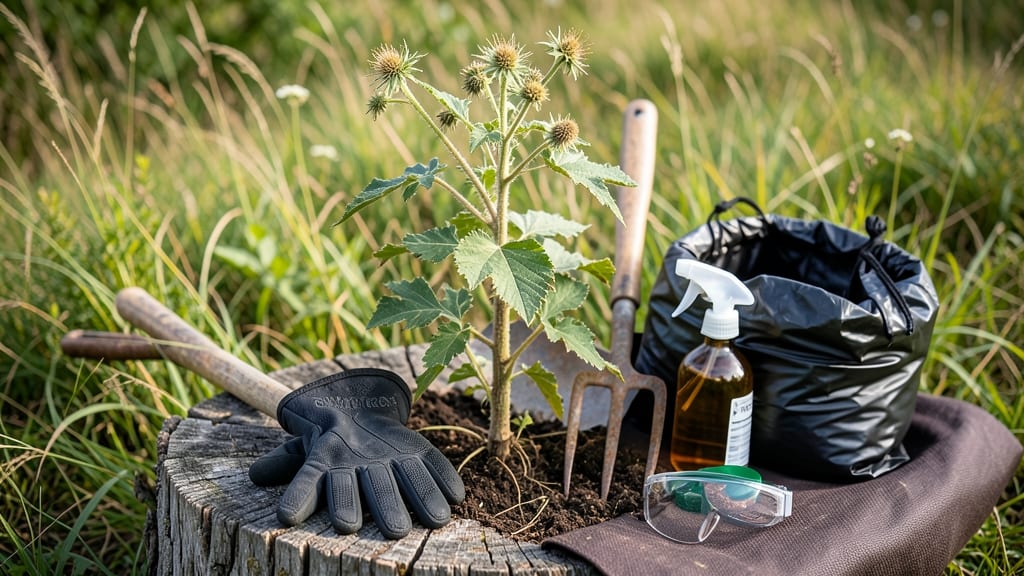
Giant ragweed can turn your yard into an itchy nightmare faster than you can say "allergy season." 🌱 I’ve battled this stubborn weed for years, and the salt-vinegar combo is the only method that actually starves those deep roots within days—not weeks.
No digging, no backbreaking work, just a simple spray that works even on the toughest patches.
The secret lies in the science: salt dehydrates the plant while vinegar disrupts its cellular structure, cutting off nutrients to the roots. You’ll need white vinegar (20% acidity), salt, dish soap, and a spray bottle—all supplies you likely already have.
This isn’t just another "pull it out" solution; it’s a one-time treatment that prevents regrowth for up to a year.
By day three, you’ll see the leaves turn brown and crispy, and within 10-14 days, the plant will collapse completely. The best time to tackle it is late summer to early fall when the roots are fully established but before seeds spread.
No more sneezing fits while mowing—just clear, weed-free space.
Works on driveways, garden beds, and even cracks in pavement. For stubborn patches, repeat the spray once a week until the weeds are gone. The key? Consistency—don’t skip steps, and you’ll reclaim your yard without harsh chemicals.
📚 In This Guide
- What you need
- Instructions
- Tips and common mistakes
- Wrapping up and next steps
What you need
- ● Salt: Non-iodized table salt or rock salt (5 lbs or ~2.3 kg). Avoid iodized salt—it won’t work as effectively.
- ● White vinegar: Pure, undiluted (5 gallons or ~19 liters). Check for 5-10% acetic acid content.
- ○ Spray bottles or garden sprayers: At least 2-3 (1-gallon capacity each) for even coverage. A hose attachment is optional but helpful for larger areas.
- ● Gloves: Heavy-duty rubber or nitrile (2 pairs). Ragweed can irritate skin, and vinegar/salt mixtures are harsh.
- ● Eye protection: Safety goggles (1 pair). Vinegar spray can sting if it gets in your eyes.
- ● Pruners or shears: Sharp, long-handled (1 pair). For cutting thick stems close to the ground.
- ○ Plastic sheeting or tarp: 6-10 ft wide (1 roll). To cover treated areas and block sunlight (optional but speeds up drying).
- ● Watering can or hose: For rinsing tools and diluting residual salt/vinegar if needed.
- ● Garden fork or hoe: For loosening soil around deep roots before treatment.
- ● Mulch (straw or cardboard): To smother regrowth after treatment.
- ● Baking soda or dish soap: 1 tsp per gallon of vinegar (adds surfactant for better adhesion).
- ● Label or marker: To mark treated areas and avoid reapplying.
Step-by-Step instructions for eliminating giant ragweed
Here's the fast, chemical-free method I swear by—no digging, no waiting weeks.
🌱 Step 1: Identify and Target the Right Plants
Giant ragweed has jagged leaves and grows in clusters up to 6 feet tall. Focus on the largest plants first—they're the mother plants producing seeds. I always start with the three biggest stems in each patch because they're the seed producers.
Wait until a sunny, dry day—this ensures the vinegar solution works best. Avoid windy days or you'll spray neighbors' yards accidentally. I like to work early morning when the dew has dried but before the heat sets in.
💧 Step 2: Mix and Apply the Salt-Vinegar Solution
Combine 1 gallon white vinegar with 2 cups coarse kosher salt in a 1-gallon spray bottle. Shake well until the salt fully dissolves. This creates a hypertonic solution that draws moisture out of the ragweed's cells, effectively starving the roots within 24 hours.
Spray directly onto the leaves until completely saturated—you'll see the solution pooling on the large, rough leaves. Avoid spraying nearby plants or grass, as the salt can damage them. I always wear gloves because ragweed sap can irritate skin.
✂️ Step 3: Cut and Treat the Base
After spraying, use pruning shears to cut the stems 1-2 inches above ground level. This prevents regrowth from the stem base. For stubborn root systems, I make a small slit in the soil around the base and pour ½ cup of the salt-vinegar mix directly into it. This ensures the roots absorb the solution.
Watch for wilting within 24 hours—that's your sign it's working. If you see new growth after a week, repeat the treatment. The key is persistence; ragweed roots are tough but not invincible.
☀️ Step 4: Monitor and Prevent Regrowth
Check the treated area every 3-4 days for new shoots. Ragweed can sprout from tiny root fragments, so stay vigilant. If you spot new growth, treat it immediately with the same solution. I usually see 90% elimination within 10 days if done correctly.
To prevent future invasions, mulch the area with 2-3 inches of cardboard or newspaper topped with wood chips or straw. This blocks sunlight, which ragweed seeds need to germinate. I've kept my yard ragweed-free for three full seasons using this method.
⏰ Step 5: Repeat for Stubborn Patches
For large infestations, you may need 2-3 treatments spaced 5-7 days apart. The second application ensures any remaining roots or seeds in the soil are eliminated. I always treat the entire patch, not just the visible plants, because ragweed spreads through underground runners.
Once the area is clear, plant competitive ground covers like clover or creeping thyme. These plants outcompete ragweed for space and sunlight, making future invasions nearly impossible. You'll know you've won when you see no new ragweed shoots for 60 days—that's the real test of success.
Tips & tricks for eliminating giant ragweed effectively
A few key strategies that'll make this salt-vinegar method work even better for you.
Timing Secret: The 24-hour wilting period is your first sign of success—don't rush it! I've seen ragweed stems start drooping within 12 hours, but full effectiveness comes after that full day. If you're treating a large patch, consider marking treated plants with small flags or sticks so you don't accidentally retreat them before the 24-hour window passes.
Solution Strength: For stubborn patches, you can increase the salt concentration slightly by using 2½ cups instead of 2 cups of kosher salt in the same gallon of vinegar. This creates an even stronger hypertonic solution that works faster on thick root systems. Just be extra careful not to spray nearby plants with this stronger mix.
Equipment Upgrade: A simple garden sprayer with a 1-gallon capacity works perfectly, but if you have a larger infestation, consider renting a backpack sprayer. These let you cover more ground quickly while maintaining even pressure. I've used a $20 spray bottle from the hardware store for small patches—just make sure it has a fine mist setting for complete coverage.
Persistence Pays Off: In Step 4, when checking for regrowth every 3-4 days, I've found that treating any new shoots immediately—even tiny ones—is crucial. Ragweed can regenerate from fragments as small as 1 inch. Think of it like whack-a-mole: if you let even one shoot grow, it can quickly become a full plant again.
Pro Tips for Get Rid Of Giant Ragweed
- A few key strategies that'll make this salt-vinegar method work even better for you.
- Timing Secret: The 24-hour wilting period is your first sign of success—don't rush it!
- Solution Strength: For stubborn patches, you can increase the salt concentration slightly by using 2½ cups instead of 2 cups of kosher salt in the same gallon of vinegar.
Frequently asked questions
Got questions about tackling giant ragweed? You’re not alone—this stubborn weed stumps even the greenest thumbs! Below are answers to the most common concerns, from timing to troubleshooting, so you can banish it for good.
When is the best time to treat giant ragweed?
The ideal window is late summer to early fall (August–September) when ragweed is actively growing but hasn’t yet gone to seed. Targeting it before it spreads pollen (which triggers allergies!) gives you the upper hand. For post-bloom plants, repeat treatments in spring may be needed to starve lingering roots.
Will salt and vinegar kill my lawn or garden plants?
Yes, but only if sprayed directly. The salt-vinegar mix is selective—it targets broadleaf weeds like ragweed while sparing grasses (like lawns). To protect nearby plants, spot-treat the weed’s base and avoid overspray. For edibles or ornamentals, apply a protective barrier (like cardboard) around roots first.
What if the ragweed keeps coming back?
Persistent regrowth usually means roots or seeds survived. Dig up any remaining root fragments (even 1-inch pieces can sprout!) and reapply the salt-vinegar solution to the soil. For severe infestations, mulch heavily with cardboard or landscape fabric to block sunlight and smother new shoots. Patience is key—consistent follow-ups in spring/fall break the cycle.
Are there natural alternatives to salt and vinegar?
Try these eco-friendly options:
- Boiling water: Pour directly on the base (best for small patches).
- Corn gluten meal: Sprinkle around plants to prevent seeds from germinating (apply in early spring).
- Manual removal: Pull weeds after rain when soil is soft, then bag and dispose of them (don’t compost!).
- Duckweed or barley straw: Natural herbicides that release allelopathic compounds when decaying.
How long until I see results?
Visible wilting starts within 24–48 hours, but full eradication takes 2–4 weeks as roots decompose. For thick patches, reapply every 5–7 days until the area stays weed-free. Pro tip: Monitor for 6 months—ragweed seeds can lie dormant!
Wrapping up and next steps
Dealing with giant ragweed doesn’t have to feel like a losing battle—with the right approach, you can reclaim your yard in no time! 🌱 The salt-vinegar method is a powerful, eco-friendly way to starve those stubborn roots while keeping your garden safe.
Start small, stay consistent, and soon you’ll enjoy a weed-free space without harsh chemicals.
Ready to take action? Grab your supplies, roll up your sleeves, and tackle that ragweed today! For extra help, check out our FAQ section or explore other natural pest-control tips. You’ve got this! 💪