
How To
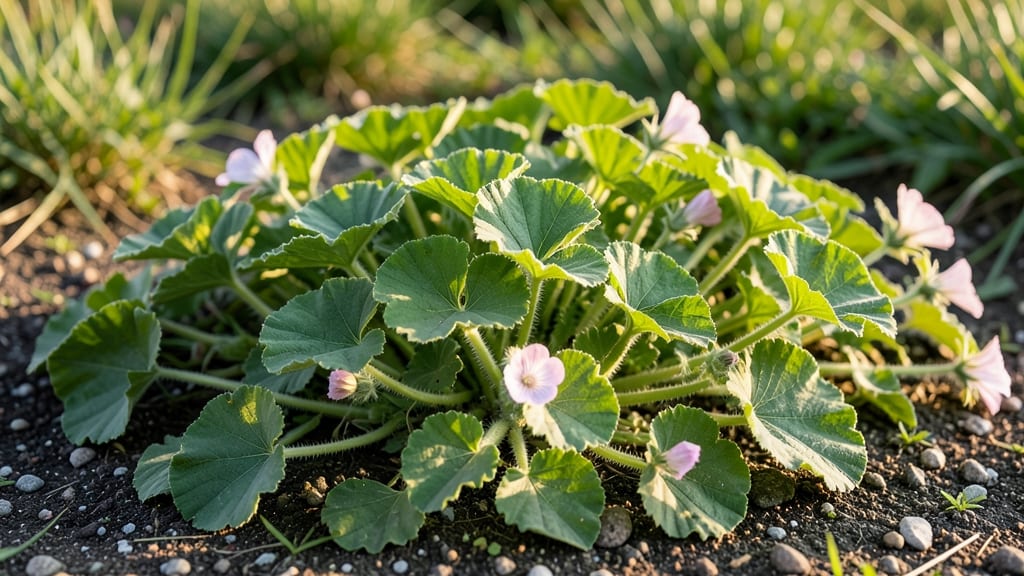
Cheeseweed mallow isn't a weed in the traditional sense—it's an edible wild plant with valuable culinary and medicinal properties, though its fast-spreading nature can make it behave like one in garden spaces. The young leaves are packed with nutrients and have a mild, slightly cheesy flavor when cooked, but it thrives aggressively in disturbed soils.
This plant earns its "weed-like" reputation because of its rapid growth and ability to outcompete other plants in gardens. 🌱 Unlike true weeds that harm ecosystems, cheeseweed mallow actually supports pollinators with its bright flowers and helps stabilize soil with its deep roots.
The key difference lies in its edibility—while it may look invasive, its leaves are a nutritious addition to salads or cooked dishes when harvested young.
What sets it apart from garden nuisances is its dual nature: it's both a wild edible and an ecological asset. Many foragers appreciate its resilience in poor soil conditions, making it a valuable resource rather than a pest.
Just be mindful of where you harvest—avoiding contaminated areas is crucial for safe consumption.
💡 In This Article
- Cheeseweed Mallow vs. True Weeds: Growth Habits and Ecological Role
- Edible Uses of Cheeseweed Mallow: Harvesting and Cooking Tips
Cheeseweed mallow vs. true weeds: growth habits and ecological role
Cheeseweed mallow (Malva parviflora) thrives aggressively because of its biological adaptations designed for survival in disturbed environments. Unlike true weeds like crabgrass that rely on shallow roots to spread quickly, this plant develops a deep taproot system that can reach 3-5 feet underground.
This root structure allows it to access water and nutrients in poor, compacted soils where most garden plants struggle, giving it a competitive edge in landscapes and garden beds. 🌱
The plant's rapid seed dispersal is another key factor—each flower produces 10-15 seeds that can remain viable in the soil for years, germinating whenever conditions are favorable. A single mature plant can produce thousands of seeds annually, which explains why it often appears overnight in newly tilled garden soil.
Its ability to photosynthesize efficiently even in partial shade makes it particularly persistent in urban and suburban environments where other plants might fail.
Ecologically, cheeseweed mallow plays a more positive role than many traditional weeds. While it may outcompete desirable plants in gardens, its bright pink-purple flowers attract pollinators like bees and butterflies, providing valuable nectar sources. The plant also helps stabilize soil with its extensive root system, preventing erosion in disturbed areas.
Unlike invasive weeds such as dandelions that can dominate entire ecosystems, cheeseweed mallow doesn't typically form monocultures that harm native plant populations.
What truly distinguishes it from garden weeds is its edibility and nutritional value. The young leaves contain high levels of calcium, magnesium, and vitamin C, making them a valuable wild food source.
This dual nature—aggressive growth but beneficial uses—creates the confusing classification that makes people question whether it's a weed at all.
The key difference lies in human perspective: while it may behave like a weed in cultivated spaces, its ecological contributions and edible qualities set it apart from purely destructive plants. ✨
Consider this comparison: while dandelions spread aggressively and can harm lawns by crowding out grass, they also provide food for wildlife and have medicinal uses. Cheeseweed mallow follows a similar pattern but with the added benefit of being completely safe and nutritious for human consumption when prepared properly.
This makes it more of a "wild edible" than a true weed, though its growth habits certainly earn it that reputation in garden settings.
For gardeners dealing with cheeseweed mallow, the solution lies in strategic management rather than eradication. Hand-pulling young plants before they set seed is most effective, as the deep roots make chemical control difficult.
The plant's ecological benefits mean complete removal might not always be desirable—especially in naturalized areas where it supports pollinators and soil health. This nuanced understanding helps explain why it occupies a unique middle ground between beneficial plant and garden nuisance. 💫