
Flowers
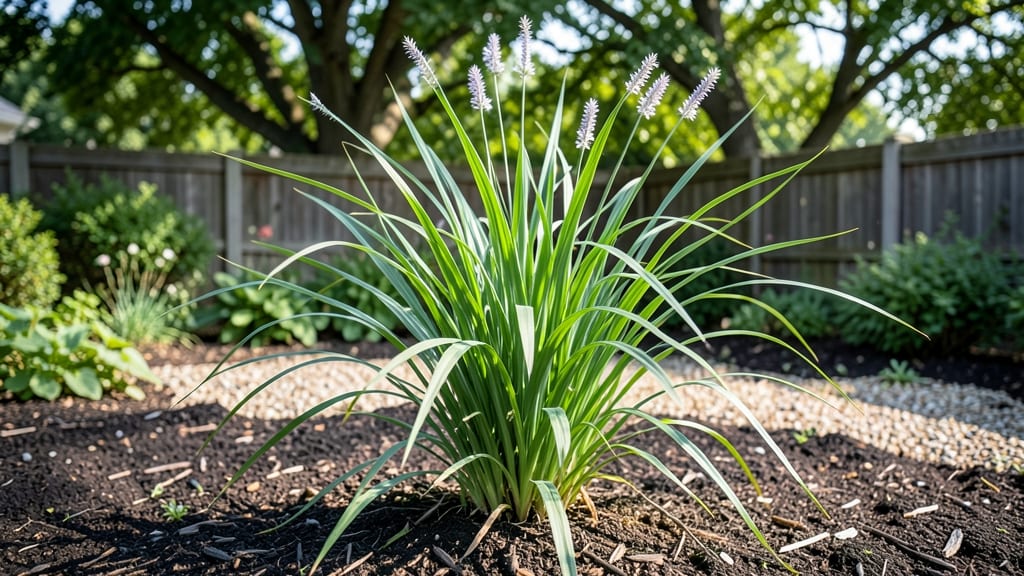
Yes, citronella is a perennial plant that survives winter by dying back to the ground but regrows from its roots when temperatures rise above 60°F (15°C) in spring.
Citronella's perennial nature comes from its deep root system, which stores energy to fuel new growth when conditions improve.
Unlike true temperate perennials, it's more sensitive to cold and acts like a tropical plant—thriving in warm climates but needing protection in colder zones. 🌱 The key difference is its dormancy period: while it looks dead in winter, the roots remain alive underground, ready to burst back when temperatures climb.
This makes it perfect for gardeners in USDA zones 9-11, where it can grow year-round without extra care.
What sets citronella apart is how it handles winter differently than hardy perennials like lavender. While lavender might survive -20°F (-29°C) winters, citronella's roots can only tolerate brief cold snaps below 30°F (-1°C).
This explains why it's often grown as an annual in northern climates—it simply can't regenerate from the same roots after harsh freezes. The good news? With proper overwintering techniques, you can extend its lifespan even in cooler regions.
💡 In This Article
- Why Citronella Acts Like a Perennial in Warm Climates
- How to Overwinter Citronella in Cold Regions
Why citronella acts like a perennial in warm climates
Citronella's perennial behavior stems from its specialized root system, which stores carbohydrates and nutrients during dormancy. Unlike true temperate perennials like peonies, which develop woody stems to survive winters, citronella relies on fibrous, deep roots that can extend 3-5 feet underground.
These roots contain energy reserves that fuel regrowth when temperatures climb above 60°F (15°C)—a threshold that triggers metabolic activity in the dormant root system. 🌱
The plant's cold sensitivity explains its tropical origins. Native to Southeast Asia, citronella evolved in regions where temperatures rarely drop below 50°F (10°C) for extended periods. Its leaves and stems contain high moisture content (about 70-80% water), which freezes and damages cells when exposed to prolonged cold.
This is why you'll see citronella "die back" completely in winter—it's not dead, but in a survival state where only the roots remain active.
What makes this fascinating is how citronella's regrowth mechanism differs from annuals. Annuals like marigolds complete their entire life cycle in one season, while citronella's roots remain viable for 3-5 years in ideal conditions.
The new growth emerges from lateral buds on the roots, creating multiple stems that can reach 3-5 feet tall within 60-90 days of warm weather. This rapid regrowth is what classifies it as a perennial, despite its tropical origins.
Comparing citronella to other tropical perennials like ginger or turmeric reveals key differences. While these plants also die back in cold climates, their rhizomes (underground stems) are more robust and can survive slightly cooler temperatures (40°F/4°C).
Citronella's roots are more delicate, which is why they require consistent warmth to regenerate. This explains why you'll find citronella thriving in USDA zones 9-11 but struggling in zone 8 without protection.
The science behind this involves a process called "cold acclimation." While temperate perennials can harden their tissues with antifreeze proteins, citronella lacks this adaptation. Instead, it enters a state of dormancy where cellular activity slows dramatically.
When spring arrives, the roots detect rising temperatures through specialized proteins called "thermosensors," which trigger the production of growth hormones like auxin. This hormonal shift is what causes the dramatic regrowth you see in spring. 💫
One common misconception is that citronella's perennial nature means it's low-maintenance. In reality, its tropical origins require consistent warmth and moisture to maintain its perennial status. In cooler climates, gardeners must actively protect the roots or treat it as an annual.
This dual nature—behaving like both a perennial and a tropical plant—is what makes citronella so interesting in garden design.