
Light Requirements
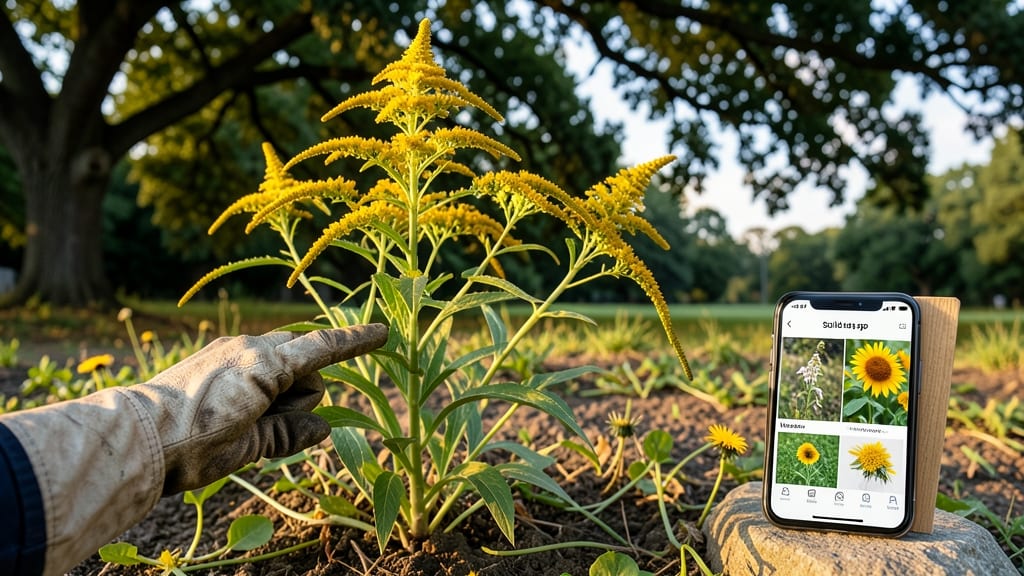
Goldenrod is not a weed—it’s a hardy perennial wildflower often mistakenly blamed for allergies caused by ragweed. Its bright plumes attract pollinators and thrives in poor soil, making it valuable for gardens and ecosystems alike.
Goldenrod earns its unfair reputation because its late-summer blooms coincide with ragweed's peak pollen season, tricking people into blaming it for seasonal allergies. 🌼 In reality, goldenrod's pollen is too heavy to become airborne, so it can't trigger hay fever—unlike ragweed, which spreads lightweight pollen on the wind.
This wildflower actually supports biodiversity by feeding bees, butterflies, and birds, while its deep roots help prevent soil erosion.
Beyond its ecological benefits, goldenrod thrives in conditions most gardeners consider challenging—drought, poor soil, and even disturbed areas. That's why it often appears where people might call it a weed, but its resilience makes it an excellent choice for native plant gardens.
Many gardeners intentionally plant goldenrod to attract pollinators and add vertical interest to their landscapes.
💡 In This Article
- Why Goldenrod Gets a Bad Reputation
- How to Grow Goldenrod in Your Garden
Why goldenrod gets a bad reputation
Goldenrod's reputation as a weed stems from a classic case of botanical misidentification.
Its bright yellow plumes appear in late summer—right when ragweed releases its lightweight pollen, which travels miles on the wind and triggers allergies. 🌼 The confusion arises because goldenrod's pollen grains are large and sticky, weighing about 200 times more than ragweed's. This makes them fall quickly to the ground, unable to reach nasal passages.
Yet, people blame goldenrod because it's the only plant blooming at the height of allergy season.
The term "weed" often applies to plants that spread aggressively in unwanted areas, but goldenrod doesn't fit this definition. Its seeds rely on wind for dispersal, but they lack the specialized structures that make true weeds like dandelions or crabgrass so invasive.
Goldenrod's roots grow deep—sometimes 3-5 feet—which helps stabilize soil rather than disrupt it. In fact, its presence often indicates healthy, undisturbed ecosystems where native plants can thrive.
Historically, goldenrod was even used medicinally by Native American tribes for treating wounds and digestive issues, though modern research shows its primary value lies in ecosystem support. The plant's nectar-rich flowers attract over 40 species of butterflies and bees, including the endangered rusty patched bumblebee.
Its seed heads also provide winter food for birds like goldfinches. This makes goldenrod an ecological superhero rather than a nuisance.
What truly sets goldenrod apart is its ability to flourish in conditions most gardeners avoid—like compacted or nutrient-poor soil. Its resilience comes from a symbiotic relationship with mycorrhizal fungi in the soil, which help it absorb water and nutrients efficiently.
This adaptability is why it often appears in disturbed areas, but it's not spreading uncontrollably—it's simply filling a niche that other plants can't.
Interestingly, goldenrod's mislabeling persists because of cultural bias against "wild" plants. Many people associate bright yellow flowers with "cheerful weeds" like dandelions, which are also beneficial but face similar stigma.
The key difference? Dandelions produce milk-like sap that can irritate skin, while goldenrod has no such drawbacks. Its only "crime" is looking too beautiful to be ignored.
To put this into perspective, consider that goldenrod's pollen production is so minimal that allergy sufferers can safely touch its flowers without reaction. The real culprit—ragweed—produces pollen grains so tiny they can travel hundreds of miles on wind currents.
This scientific distinction explains why goldenrod deserves better than its weed reputation.
Understanding this botanical truth transforms goldenrod from a garden nuisance to a valuable ally. Its presence signals a healthy ecosystem where native plants can thrive alongside human cultivation. 🌿