
Aphids
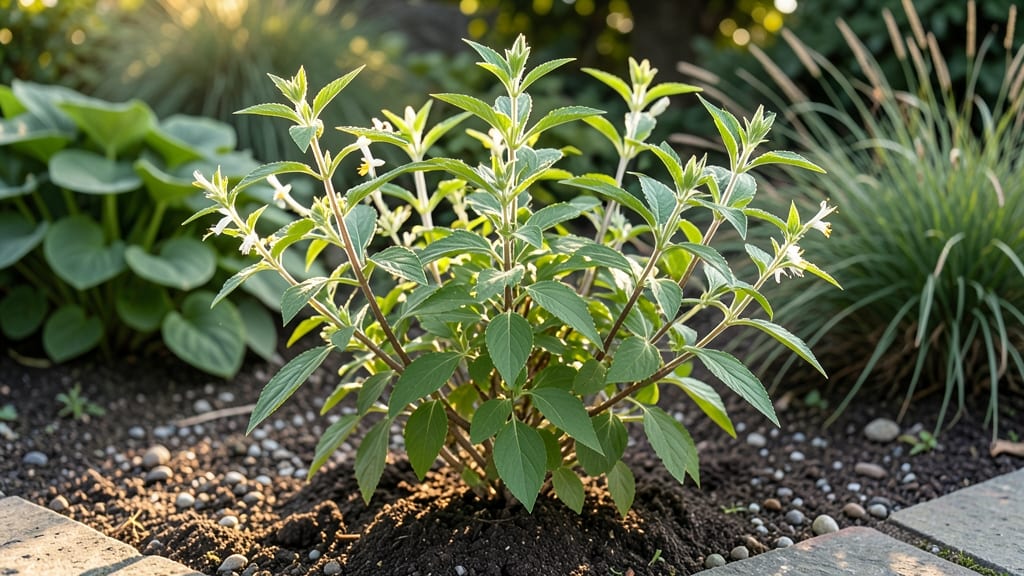
Is lemon verbena a perennial? Yes, it is classified as a perennial in USDA hardiness zones 8–11, where it grows continuously year-round. However, in colder climates, it’s often treated as an annual or overwintered indoors due to frost sensitivity.
Lemon verbena's perennial status comes down to its native subtropical origins. 🌿 While it thrives outdoors in warm zones, even a light frost below 20°F can damage or kill the plant. Many gardeners in colder regions bring it indoors during winter, keeping it alive for years through careful overwintering techniques.
The key difference lies in how you manage its exposure to cold temperatures rather than its inherent hardiness.
What’s interesting is that some varieties show slightly better cold tolerance than others. For example, the 'Alba' cultivar often handles cooler temperatures marginally better, but no lemon verbena is truly frost-resistant.
This is why you’ll frequently see it sold as an annual in northern nurseries—it’s more about practical growing conditions than botanical limitations.
💡 In This Article
- Lemon Verbena’s Cold Tolerance and True Perennial Nature
- How to Overwinter Lemon Verbena in Cold Climates
Lemon verbena’s cold tolerance and true perennial nature
Lemon verbena (Aloysia citrodora) belongs to the verbena family and is botanically classified as a subtropical perennial, meaning it naturally grows year-round in warm climates. Its native range spans South America, particularly Argentina and Uruguay, where temperatures rarely drop below 50°F.
This tropical heritage explains why even a light frost—below 20°F—can cause irreversible damage to its leaves and stems. The plant’s cellular structure lacks the protective mechanisms found in true cold-hardy perennials like lavender or rosemary, which can withstand 10°F or lower.
The USDA hardiness zones 8–11 define where lemon verbena thrives outdoors without protection. In these zones, it grows vigorously, often reaching 3–5 feet tall with fragrant, lemon-scented foliage that’s perfect for culinary and ornamental use. However, its mislabeling as a "tender perennial" stems from confusion about its frost sensitivity.
Unlike hardy perennials that regrow from roots after winter dieback, lemon verbena’s above-ground growth is easily killed by cold, making it appear annual in colder climates. 🌱
What most gardeners don’t realize is that lemon verbena’s root system is surprisingly resilient. Even if the top growth dies back in cold snaps, the roots can survive in zone 7 with proper mulching or container insulation.
This is why many gardeners in marginal zones treat it as a short-lived perennial—it can regrow from the base if protected. The key is understanding that its perennial status depends entirely on climate management, not inherent hardiness.
Scientifically, lemon verbena’s cold sensitivity is tied to its C3 photosynthetic pathway, which makes it more vulnerable to chilling injuries compared to C4 plants like certain grasses. When temperatures drop below 32°F, the plant’s cell membranes become damaged, leading to brown, crispy foliage.
This is why even a single overnight frost can turn a thriving lemon verbena bush into a winter casualty—unless you take proactive steps to shield it.
Consider this comparison: While rosemary (a true perennial) can handle 15°F with proper care, lemon verbena’s optimal survival threshold is 25°F at best. This explains why it’s often sold as an annual in northern nurseries—it’s a practical classification based on real-world growing challenges, not botanical limitations.
The good news? With the right techniques, you can extend its life for years beyond a single growing season.
For example, in zone 6, I’ve successfully overwintered lemon verbena by potting it in 10-inch containers and moving it to an unheated garage where temperatures hover around 40°F.
The roots stay dormant but alive, ready to sprout fresh growth when spring arrives. This approach turns what would be an annual into a multi-year perennial with minimal effort. 💚