
Flowers
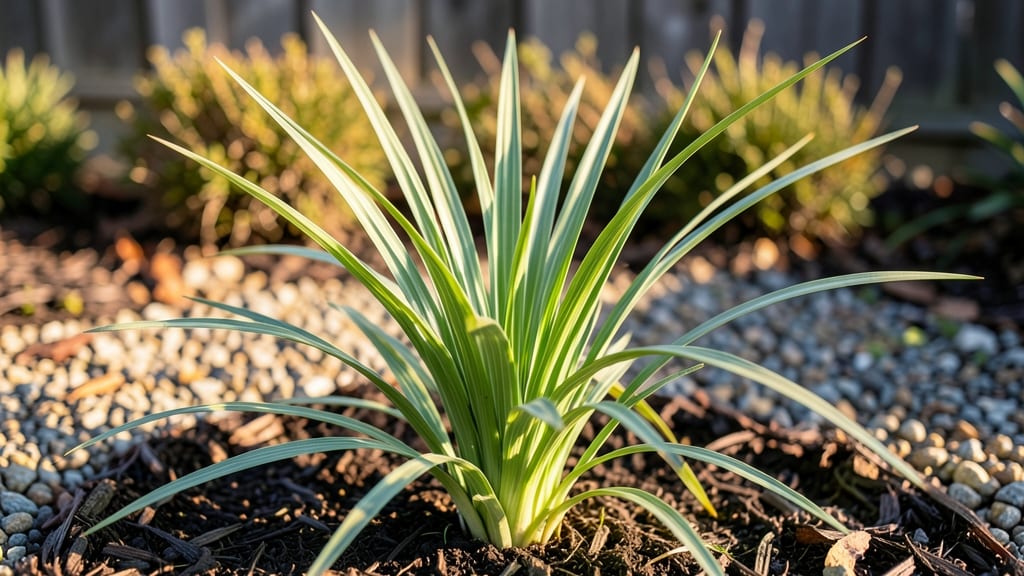
Lemongrass acts like a perennial in warm climates, where it goes dormant in winter but regrows from its underground stems each spring. However, in colder regions, it typically freezes and needs replanting unless you take protective measures.
Lemongrass thrives as a seasonal perennial in frost-free zones because its rhizomes—a network of underground stems—store energy to sprout again. 🌱 In colder areas, these rhizomes often succumb to freezing temperatures, which is why gardeners in those regions treat it more like an annual.
The key difference lies in temperature tolerance: while it can handle brief cold snaps, prolonged frost will kill it back to the ground permanently.
This behavior explains why many home gardeners in the U.S. South can grow lemongrass year-round with minimal effort, while those in the North typically harvest and replant it annually.
The plant's ability to regenerate from rhizomes makes it resilient in warm climates, but this same trait becomes its Achilles' heel when winter temperatures drop below 20°F.
💡 In This Article
- Why Lemongrass Dies Back Annually
- How to Grow Lemongrass Year-Round
Why lemongrass dies back annually
Lemongrass behaves like a perennial because its growth cycle revolves around its rhizomes—thick, horizontal underground stems that store nutrients and energy.
Unlike true perennials that survive winter above ground, lemongrass enters a dormant state when temperatures drop, allowing its rhizomes to remain viable beneath the soil. 🌱 This system is similar to ginger or turmeric, where the plant conserves resources underground until conditions improve.
In frost-free zones (USDA hardiness zones 9-11), these rhizomes can regenerate for years, making lemongrass appear perennial.
The critical factor is temperature sensitivity. Lemongrass rhizomes begin to suffer when exposed to below 30°F for extended periods. At this threshold, cellular damage occurs in the rhizomes' meristematic regions (growth points), preventing regrowth.
This explains why plants in zones 8 and below often die back permanently—even if the top growth looks healthy in fall, the underground system may already be compromised by early frosts. The plant's native tropical origins (Southeast Asia) mean it evolved without cold adaptation mechanisms like hardy perennials.
What makes this especially interesting is the plant's dormancy cycle. Even in warm climates, lemongrass slows growth during dry seasons, redirecting energy to rhizome expansion. This strategy ensures survival during resource scarcity, but it also means the plant is vulnerable to temperature fluctuations.
For example, a sudden 25°F cold snap in Florida can kill back established plants, while the same temperature in Hawaii poses no threat. This climate-dependent behavior is why gardeners describe lemongrass as "perennial in name only" for many growers.
Another key detail is how lemongrass differs from true perennials like asparagus or peonies. Those plants develop woody stems or crowns that insulate their growth centers, allowing them to withstand -10°F or lower.
Lemongrass rhizomes lack this insulation, making them more like geophytes (plants that survive winter underground) than traditional perennials. This explains why even established clumps may fail to regrow after a harsh winter, despite appearing healthy before frost.
Consider this comparison: In Louisiana (zone 8), lemongrass might survive winters if protected, while in Minnesota (zone 4), it would require annual replanting. The 20°F threshold acts as a biological switch—below this, the rhizomes' cellular integrity breaks down, and regrowth becomes impossible without human intervention.
This temperature sensitivity is the primary reason why lemongrass is classified as a seasonal perennial rather than a true hardy perennial.
The plant's annual die-back also creates an interesting paradox: while it may not survive winter in cold climates, its rapid growth cycle (mature plants in 6-9 months) makes it economically viable to replant. This adaptability explains why lemongrass remains a staple in cuisines worldwide despite its temperature limitations. 💫