
Flowers
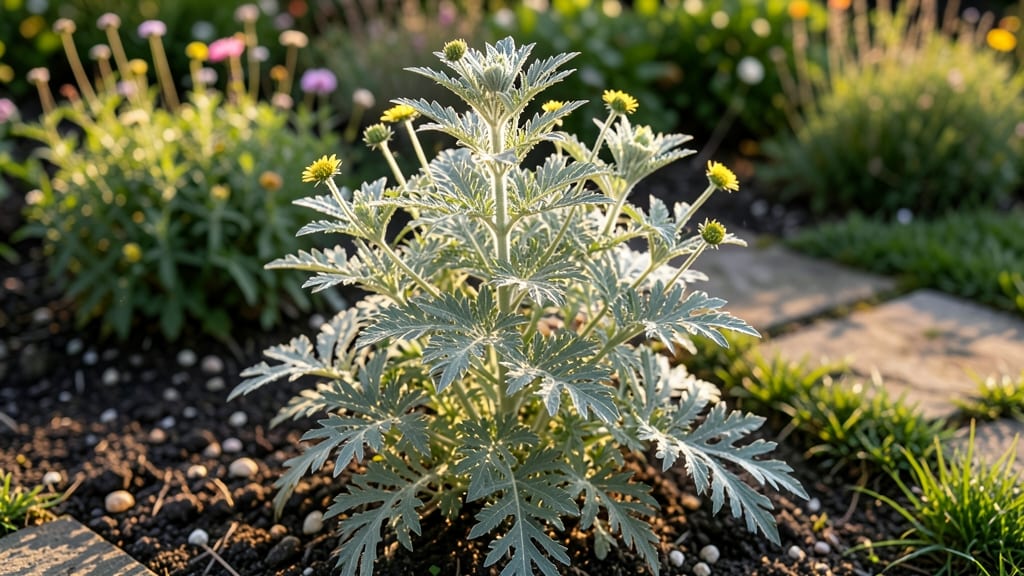
Yes, wormwood is a perennial plant that returns each year from its deep root system after dying back in winter, making it a hardy choice for zones 4-9 when given proper care.
Wormwood's perennial nature comes from its robust underground system, which stores nutrients and energy to fuel regrowth. 🌱 Unlike annuals that complete their life cycle in one season, wormwood's deep roots allow it to survive freezing temperatures and regenerate when conditions improve.
This hardy herb typically thrives in full sun and well-drained soil, which helps prevent winter dieback in colder climates.
What makes wormwood unique is its ability to handle both heat and cold—it can handle summer droughts while still recovering from winter's chill. Many gardeners appreciate its resilience, though it may need occasional winter mulching in zone 4 to protect tender new growth.
The key to successful perennial wormwood lies in understanding its natural dormancy cycle and providing the right growing conditions.
💡 In This Article
- How Wormwood’s Root System Enables Year-Round Survival
- Tips for Growing Wormwood as a Hardy Perennial Plant
How wormwood’s root system enables year-round survival
Wormwood's perennial resilience stems from its deep taproot system, which can extend 3-5 feet underground. This extensive root network allows it to access water and nutrients deep within the soil, even during drought conditions.
The roots store starches and sugars—like a natural energy reserve—during the growing season, fueling regrowth when temperatures rise in spring. 🌱 This underground storage system is what distinguishes perennials from annuals, which rely solely on seeds for reproduction.
The herb's cold hardiness comes from its ability to enter dormancy, where metabolic processes slow dramatically. Wormwood can tolerate temperatures down to -20°F to -30°F when established, though young plants may need protection in zone 4.
The roots remain alive beneath the frost, protected by insulating soil layers. This dormancy isn't true hibernation—it's a strategic survival mechanism where the plant conserves energy while maintaining cellular integrity until warmer weather triggers regrowth.
What's fascinating is how wormwood's regrowth timing aligns with environmental cues. The roots begin producing new shoots when soil temperatures reach 45-50°F, typically in early spring. You'll often see fresh green growth emerge 2-4 weeks before surrounding plants, giving it a competitive edge.
This early start is powered by the stored nutrients in those deep roots, which can sustain the plant even if the above-ground foliage dies back completely during winter.
One common misconception is that all perennials behave identically, but wormwood's root architecture sets it apart. While many perennials have fibrous root systems, wormwood's single dominant taproot with lateral branches creates a more robust structure.
This design allows it to recover from damage—whether from frost, heavy pruning, or even accidental digging—more effectively than plants with shallow root systems.
Consider this comparison: A tomato plant (annual) puts all its energy into producing fruit and seeds before dying, while wormwood invests in root development first. This prioritization explains why wormwood can return year after year even in harsh climates.
The trade-off? Slower initial growth compared to annuals, but with decades-long lifespan potential when properly cared for.
The science behind this involves photoperiodism—wormwood detects day length changes, triggering dormancy in autumn. As daylight shortens, the plant shifts resources underground, producing thicker root tissue that acts as insulation against winter's chill. This biological clock ensures wormwood's survival strategy remains perfectly timed with seasonal changes. 💫