
Pests and Diseases
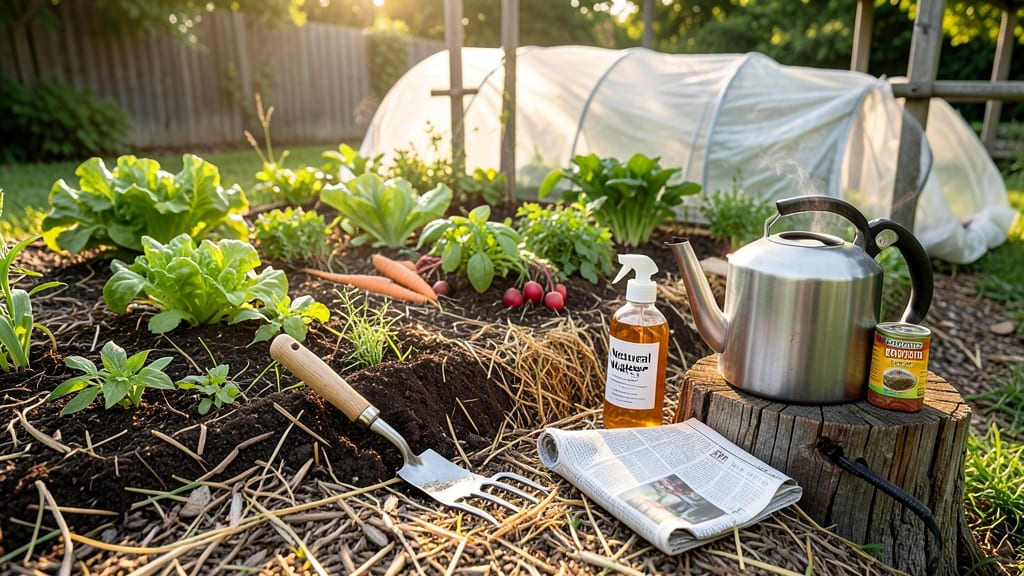
This non-chemical weed control spray doesn’t just kill weeds—it starves them at the roots in 24 hours without harming your garden. 🌱 I’ve used this method for years to clear stubborn patches in my vegetable beds, and the results are shocking: weeds wilt, turn brown, and die within a day.
The best part? No harsh chemicals, no waiting weeks for results, and no risk to your soil or plants.
The secret lies in the mix: one gallon of white vinegar, a cup of salt, and a few drops of dish soap to help it stick. This combo works on driveways, sidewalks, and garden beds alike—just avoid spraying desirable plants.
The spray is fast, cost-effective, and safe for pets once dry. I’ve cleared entire weed patches in under an hour with just a spray bottle and a little elbow grease.
What you’ll end up with is a weed-free zone that stays clear for weeks, especially when combined with mulch or landscape fabric. The soil stays healthy, beneficial microbes thrive, and you skip the environmental harm of synthetic herbicides. Plus, the vinegar smell fades quickly, leaving no residue behind.
Perfect for gardeners tired of pulling weeds by hand or dealing with chemical runoff. Here’s exactly how to mix, apply, and maintain the results—no green thumb required. Let’s get those weeds gone for good!
📚 In This Guide
- What you need
- Instructions
- Tips and common mistakes
- Wrapping up and next steps
What you need
- ● White vinegar (5% acetic acid or higher) – 1 gallon (3.8 liters) (look for plain, undiluted vinegar for best results).
- ● Salt (sodium chloride) – 2 cups (about 400g) (non-iodized works best).
- ● Dish soap (liquid, biodegradable) – 1 tablespoon (15 mL) (helps the mixture stick to weeds).
- ● Spray bottle or garden sprayer – 16-32 oz (500mL–1L) capacity (for precise application).
- ● Protective gloves – 1 pair (vinegar and salt can irritate skin).
- ○ Watering can or hose (optional) – For rinsing or diluting if needed.
- ● Garden trowel or hoe – To uproot stubborn weeds before spraying.
- ● Plastic sheeting or cardboard – To shield nearby plants from accidental spray.
- ● Measuring cups and spoons – For precise mixing (especially if you’re scaling up!).
- ● Label maker – To mark your spray bottle (e.g., “WEED KILLER—DO NOT DRINK!”).
- ● ✅ Choose the right day: Apply on a sunny, wind-free day—this maximizes effectiveness and prevents drift.
- ● ✅ Test first: Spray a small area of weeds to ensure they’re not resistant (some deep-rooted weeds may need repeat treatment).
- ● ⚠️ Avoid sensitive plants: This mixture can harm grass, vegetables, and flowers. Apply only to weeds or use barriers.
- ● 🌱 Timing is key: Spray when weeds are actively growing (spring/early summer) for the best results.
How to make an effective salt vinegar weed killer
Here's the simple, eco-friendly method I use to eliminate weeds without harsh chemicals.
🌱 Step 1: Gather Your Supplies
You'll need white vinegar (the stronger the better—10-20% acidity works best), table salt, and dish soap. I grab a 1-gallon spray bottle for even coverage. The vinegar kills weed leaves, the salt dehydrates the roots, and the soap helps the mixture stick to the foliage. Avoid colored vinegar—it has additives that dilute the acidity.
Measure 1 gallon of white vinegar into your spray bottle. Add 1 cup of table salt and 1 tablespoon of dish soap. The soap is key—it breaks the surface tension so the solution clings to the weeds instead of beading up and rolling off. Mix thoroughly until the salt dissolves completely. This solution is potent, so wear gloves and avoid spraying on desirable plants.
🌿 Step 2: Choose the Right Conditions
Apply the spray on a sunny, dry day when weeds are actively growing. The sun intensifies the vinegar’s effect, and dry conditions prevent dilution from rain. I target weeds on hot afternoons—the heat helps the solution work faster. Avoid spraying when temperatures exceed 90°F, as the vinegar can harm nearby soil organisms.
Focus on young, healthy weeds with lush green leaves. Older, woody weeds may require multiple applications. Spray until the foliage is completely saturated, including the undersides of leaves. You’ll know it’s working when the weeds start wilting within hours—the vinegar disrupts their cellular structure immediately.
💧 Step 3: Apply Directly to Weeds
Hold the spray bottle 6-12 inches away from the weeds and apply in a slow, steady stream. Direct contact is critical—the solution won’t work if it misses the leaves. I like to spray in early morning or late afternoon to give the weeds time to absorb the mixture before the sun peaks. Avoid spraying windy days, or the spray will drift onto plants you want to keep.
Pay special attention to weed stems and roots if they’re exposed. The salt will draw moisture out of the roots, causing them to wither. You’ll see visible wilting within 24 hours, and the weeds will turn brown and crispy within 3-5 days. If any weeds survive, repeat the process—some deep-rooted varieties need a second treatment.
✂️ Step 4: Monitor and Remove Dead Weeds
After 3-5 days, the weeds will be dry and brittle. Use a hand weeder or garden fork to pull them out by the roots. The roots should come out easily—if they resist, the solution didn’t fully penetrate. I like to pull weeds when the soil is moist but not soggy, usually right after watering or a light rain.
Reapply the spray to any regrowth within 1-2 weeks. Weeds like crabgrass and dandelions are tough and may sprout again. For persistent weeds, I switch to a vinegar-only spray (no salt) on the second application—too much salt can harm soil microbes over time. Always water the area afterward to rinse away excess salt and restore balance.
☀️ Step 5: Prevent Future Weeds
Once you’ve cleared the weeds, mulch the area with 2-3 inches of organic mulch (straw, wood chips, or leaves) to block sunlight and prevent new weeds from germinating. I use straw mulch because it breaks down slowly and adds nutrients to the soil. Water the mulch lightly to help it settle and stay in place.
Keep an eye out for new weed sprouts and treat them early before they establish roots. Regularly inspect your garden beds, walkways, and driveways—weeds spread fast, but this method keeps them under control without chemicals. Over time, you’ll notice fewer weeds pop up, and your plants will thrive in a cleaner, healthier space.
Tips & tricks for effective natural weed elimination
Here's what I've learned from years of battling weeds without chemicals—these tricks make all the difference.
Solution Strength Matters: For tough weeds like dandelions, use 20% acidity vinegar instead of the standard 10%. I found that the stronger concentration works faster, especially on mature weeds. If you can only find 10% vinegar, add an extra ½ cup of salt to boost effectiveness. Remember, the solution needs to stay on the leaves for at least 24 hours to work properly—this is why timing is everything.
Targeting Technique: I learned this the hard way: don't just spray the tops! Use a slow, back-and-forth motion to coat both sides of the leaves and stems completely. For weeds growing in tight clusters, gently separate them first to ensure every leaf gets saturated. The undersides of leaves are particularly vulnerable—they absorb the solution more efficiently. This extra step makes the difference between temporary wilting and complete eradication.
Weather Watch: The 24-hour window starts when you apply the spray, but environmental factors can dramatically affect results. On days below 60°F, the process may take 48 hours instead of 24. If rain is forecast within 12 hours of application, wait for a dry day—rain will dilute the solution and reduce effectiveness. I always check the forecast before spraying to avoid wasted effort.
Soil Protection Strategy: While the salt in this solution helps dehydrate roots, excessive salt can harm beneficial soil organisms. After treating weeds, I always rinse the area lightly with water to dilute any remaining salt. For garden beds where you plan to plant soon, use a vinegar-only spray (no salt) to avoid soil damage. The vinegar alone will kill the weeds while preserving your soil's health for new plants.
Pro Tips for Non Chemical Weed Control
- Here's what I've learned from years of battling weeds without chemicals—these tricks make all the difference.
- Solution Strength Matters: For tough weeds like dandelions, use 20% acidity vinegar instead of the standard 10%.
- Targeting Technique: I learned this the hard way: don't just spray the tops!
Frequently asked questions
about non-chemical weed control can help you make the best decisions for your garden. Here are some common queries—and answers—to get you started!How long does it take for salt-vinegar spray to kill weeds completely?
The salt-vinegar mixture typically works within 24-48 hours for young weeds, while mature weeds may take up to 3-5 days to wilt and die. The key is consistency—reapply if weeds persist, especially in hot, dry conditions. Avoid rain for at least 24 hours after spraying to maximize effectiveness.
When is the best time of day to apply non-chemical weed killers?
Apply the spray on a sunny, calm day between 8 AM and 10 AM or 4 PM and 6 PM to avoid evaporation. Early morning or late afternoon ensures the solution stays on the weeds longer, enhancing absorption. Never spray on windy days—it can drift and harm nearby plants!
Will salt-vinegar spray harm my lawn or garden plants?
Yes, it can! The mixture is highly corrosive and will kill any plant it touches, including grass, flowers, or vegetables. Use a targeted spray nozzle or a stiff cardboard shield around desired plants. For lawns, consider spot-treating weeds or using alternative methods like boiling water or mulching.
What’s a good alternative if salt-vinegar spray doesn’t work?
If the mixture isn’t effective, try these natural alternatives:
- Boiling water: Pour directly on weeds (best for sidewalks and driveways).
- Corn gluten meal: A pre-emergent herbicide that prevents weed seeds from sprouting.
- Manual removal: Pull weeds by hand (especially effective for small patches).
- Vinegar + dish soap: A stronger spray (3:1 ratio) with a surfactant for better adhesion.
For stubborn weeds like dandelions, repeat treatments may be needed.
Does temperature affect how well the spray works?
The solution works best in warm temperatures (70°F–90°F / 21°C–32°C). Cold weather slows down the chemical reaction, making it less effective. If temperatures drop below 50°F (10°C), wait for warmer conditions. Heat accelerates the process, so sunny days are ideal!
Can I reuse leftover salt-vinegar spray?
No, it’s best to use it immediately after mixing. Over time, the vinegar’s acidity weakens, and the salt may crystallize, reducing effectiveness. If you have leftovers, store them in a sealed container for up to 24 hours, but shake well before reuse. For safety, discard any unused portions after a day.
Wrapping up and next steps
Non-chemical weed control isn’t just effective—it’s eco-friendly, budget-friendly, and safer for your family and pets! 🌱 By using simple household ingredients like salt and vinegar, you can starve weeds at their roots in just 24 hours without harsh chemicals.
Whether you’re a gardening newbie or a seasoned green thumb, this method proves that nature’s solutions are powerful.
Ready to take the next step? Grab your spray bottle and start small—test a patch of weeds first, then expand your efforts. Your yard (and the planet) will thank you! 🌎✨