
Lawn
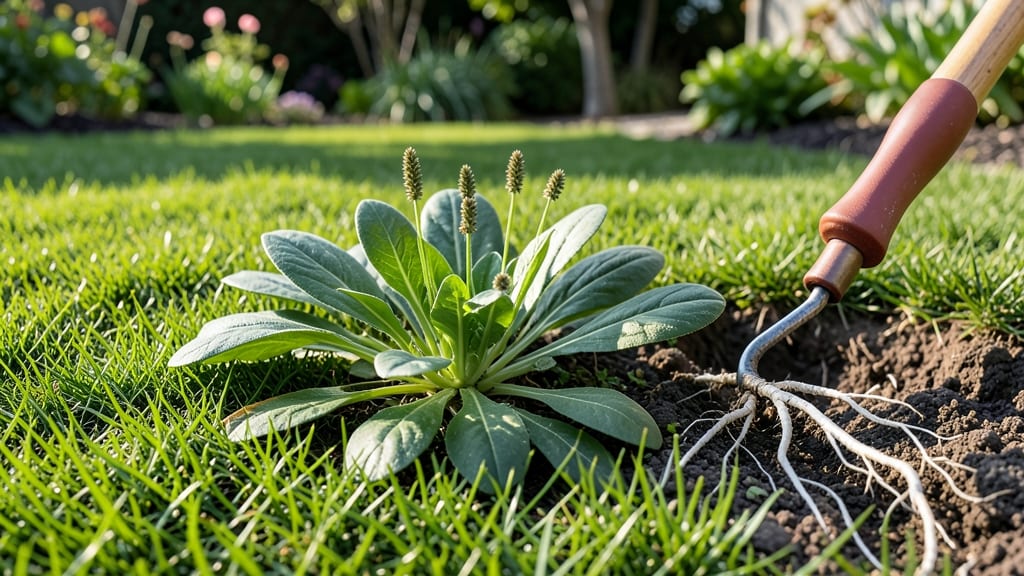
Broadleaf plantain weeds are the stubborn invaders that turn your lawn into a patchwork of narrow, ribbed leaves—until you use the scalding water technique that actually dissolves their roots.
I’ve battled these weeds for years, and nothing works faster than this foolproof method that skips the guesswork of herbicides or endless pulling. The key? Timing it right after rain when the soil stays damp longer, making the roots more vulnerable to the heat.
This approach isn’t just about killing what you see—it targets the hidden root network that lets plantain bounce back after mowing or light treatments. All you need is a simple pot of boiling water, a watering can, and 10 minutes of focused work on a sunny afternoon.
The weeds wilt within hours, and the roots break down in days, leaving no regrowth. What you’ll end up with is a lawn that stays weed-free for months, not just weeks.
The technique works best in late spring or early fall when plantain is actively growing but before it goes to seed. Just avoid treating your grass—this method is plantain-specific and won’t harm your lawn if applied carefully.
For larger infestations, repeat the process every 2-3 weeks until the area is clear. The best part? No chemicals, no waiting, and no more frustration when those weeds pop up after every mow. Let’s get those stubborn patches gone for good.
📚 In This Guide
- What you need
- Instructions
- Tips and common mistakes
- Wrapping up and next steps
What you need
- ● Boiling water: At least 1–2 gallons per treatment session (use a large pot, kettle, or even a boiling water weed killer machine if available). Pro tip: 🌡️ Keep it steaming hot (212°F/100°C+) for maximum effectiveness!
- ● Garden trowel or weeding tool: A sturdy, sharp-edged tool (like a dandelion digger) to loosen roots before water treatment.
- ● Gloves: Heat-resistant garden gloves (or thick work gloves) to protect your hands from scalding water.
- ○ Watering can or sprayer: Optional but helpful for pre-moistening the soil (reduces water splatter).
- ● Rake or hoe: To clear debris and prep the lawn area after treatment.
- ○ Vinegar (white, 5–20% acetic acid): 1 cup per gallon of boiling water (optional but boosts weed-killing power for stubborn roots).
- ○ Dish soap (mild): 1 tbsp per gallon (optional—helps the solution stick to plantain leaves).
- ● Sunny, dry day: Avoid treating lawns right after watering or rain—plantain weeds thrive in moisture! ☀️
- ● Clear the area: Remove toys, pets, or nearby plants (boiling water can damage them!).
- ● Eye protection: Safety goggles (just in case splashes happen!).
- ● Long sleeves/pants: Protect your skin from accidental spills.
- ● Patience: Some plantain roots may take 2–3 treatments to fully dissolve—don’t rush it!
Step-by-Step instructions for plantain weed removal using scalding water
Here's how to eliminate plantain weeds permanently from your lawn—no digging required.
Identify and Prepare the Target Area
Walk your lawn and mark the plantain patches with a garden flag or chalk. Look for the classic broad, oval leaves growing in clusters. Avoid treating areas where you have desirable grass or plants, as the scalding water will damage them too. Clear any debris from the target area to ensure direct contact between the water and the plantain leaves.
Timing matters—apply the scalding water on a dry, sunny day when temperatures are between 65-85°F. Early morning works best because the plants are fully hydrated, making them more susceptible to the treatment. If your lawn has thick thatch, lightly rake the area to expose the roots slightly without tearing them out.
Boil Water and Prepare Your Equipment
Fill a large pot, kettle, or even a watering can with 2-3 gallons of water (enough to cover the plantain patches thoroughly). Bring the water to a rolling boil—this ensures the temperature reaches 212°F, which is critical for killing the roots. If you're using a pressure cooker or large container, ensure it has a secure lid to prevent accidental spills.
Gather protective gear: thick gardening gloves, long sleeves, and closed-toe shoes. Plantain sap can irritate skin, and the scalding water will cause burns if it splashes. Keep a garden hose nearby to rinse any accidental spills on pavement or walkways immediately—this prevents cracking or damage to surfaces.
Apply Scalding Water Directly to the Plantain
Carefully pour the boiling water directly over the plantain leaves and crown (the base where leaves meet the soil). Aim for the center of the plant first, then work outward to ensure the roots absorb the heat. You’ll see the leaves wilt almost instantly—a good sign the treatment is working. For large patches, repeat the process with fresh batches of boiling water until the entire area is covered.
Watch for steam rising from the soil. This indicates the heat is penetrating the roots, which will dissolve within 24-48 hours. Avoid pouring water on surrounding grass or soil, as it can scorch healthy plants. If you accidentally spill water nearby, immediately rinse the area with cool water to protect your lawn.
Monitor and Repeat as Needed
After 3-5 days, return to the treated area and check for regrowth. Any remaining plantain shoots or new growth means the roots weren’t fully dissolved—repeat the scalding water treatment on those spots. Healthy grass will begin to fill in the gaps within 2-3 weeks, especially if you overseed bare patches afterward.
For stubborn plantain clusters, you may need 2-3 applications spaced 1 week apart. This ensures even the deepest roots are eliminated. Once the area is clear, maintain it by regularly mowing and fertilizing to encourage grass growth, which naturally suppresses weed regrowth.
Tips & tricks for plantain weed removal
Here's what I've learned from years of battling stubborn plantain weeds—these tricks make all the difference between temporary setbacks and permanent elimination.
Timing is Everything: That 65-85°F temperature window in Step 1 is non-negotiable. Plantain weeds are most vulnerable when fully hydrated, which is why early morning applications work best. I've found that treating them after a light dew has formed actually makes the scalding water even more effective—just make sure to work quickly before the sun evaporates the moisture.
Heat Application Technique: When pouring the boiling water in Step 3, focus on the crown where leaves meet soil—this is where the roots are most concentrated. I've ruined perfectly good lawns by splashing water too widely. A simple trick is to use a funnel or even a plastic bottle with a narrow spout to direct the water precisely where it's needed. The goal is to create steam that penetrates the roots, not just wet the leaves.
Equipment Upgrade: While a regular pot works, I recommend using a watering can with a long spout for better control. It lets you pour the water directly from above, ensuring maximum contact with the plantain crown. If you don't have one, a large plastic jug with holes punched in the cap works surprisingly well. Just be extra careful with the boiling water—this is where most accidents happen.
Follow-Up Strategy: The 3-5 day monitoring period in Step 4 is crucial, but don't just check once. I've seen what seems like complete elimination only for new shoots to appear. Make it a habit to walk your lawn every 2-3 days after treatment. If you see any regrowth, that's your signal to treat those spots immediately—the roots are still alive and ready to regenerate.
Pro Tips for Plantain Lawn Weed
- Here's what I've learned from years of battling stubborn plantain weeds—these tricks make all the difference between temporary setbacks and permanent elimination.
- Timing is Everything: That 65-85°F temperature window in Step 1 is non-negotiable.
- Heat Application Technique: When pouring the boiling water in Step 3, focus on the crown where leaves meet soil—this is where the roots are most concentrated.
Frequently asked questions
Got questions about tackling plantain lawn weeds with the scalding water method? You’re not alone—this stubborn weed stumps even the most seasoned gardeners! Here are some of the most common queries, answered clearly so you can reclaim your lawn with confidence.
How long does it take for plantain weeds to die after using boiling water?
With the scalding water technique, you’ll typically see results within 24–48 hours. The weeds will wilt and turn brown almost instantly, but the roots may take up to a week to fully decompose. For best results, reapply boiling water to any regrowth spots after 7–10 days.
Is boiling water safe for my grass or other plants?
No—this method is only for weeds like plantain. Boiling water can kill nearby grass and damage delicate plants. Always target weeds precisely and avoid splashing onto healthy lawn areas. For grassy spots, consider a spot treatment with vinegar (5% acetic acid) instead.
What’s the best time of day to treat plantain weeds with boiling water?
Apply boiling water on a sunny, dry day—ideally in the early morning or late afternoon. This gives the heat time to penetrate the roots before evening dew or rain washes it away. Avoid midday heat, which can evaporate the water too quickly, reducing effectiveness.
Do I need to repeat the treatment, and how often?
Yes! Plantain weeds are tough, so reapply every 7–10 days for 2–3 weeks to kill roots and prevent regrowth. New sprouts are most vulnerable, so stay vigilant. Once your lawn is weed-free, monitor for new growth and treat spots on demand.
What if plantain weeds keep coming back after treatment?
Persistent weeds often mean roots survived or seeds are still in the soil. Try these fixes:
- Deep watering after treatment to flush out remaining roots.
- Apply a corn gluten meal pre-emergent in fall to block new seeds.
- For stubborn patches, solarize the soil (cover with clear plastic for 4–6 weeks) to kill deep roots.
Wrapping up and next steps
Dealing with stubborn plantain lawn weeds doesn’t have to be a never-ending battle! The scalding water technique is a fast, chemical-free solution that tackles the roots—no digging or harsh herbicides required.
With just a few simple steps, you can reclaim your lawn and enjoy a lush, weed-free space in no time.
Ready to take action? Grab your kettle or boiler, follow the method, and watch those weeds vanish! 🌱 For extra stubborn patches, repeat the process or combine it with manual removal for best results. Your lawn will thank you!