
Pests
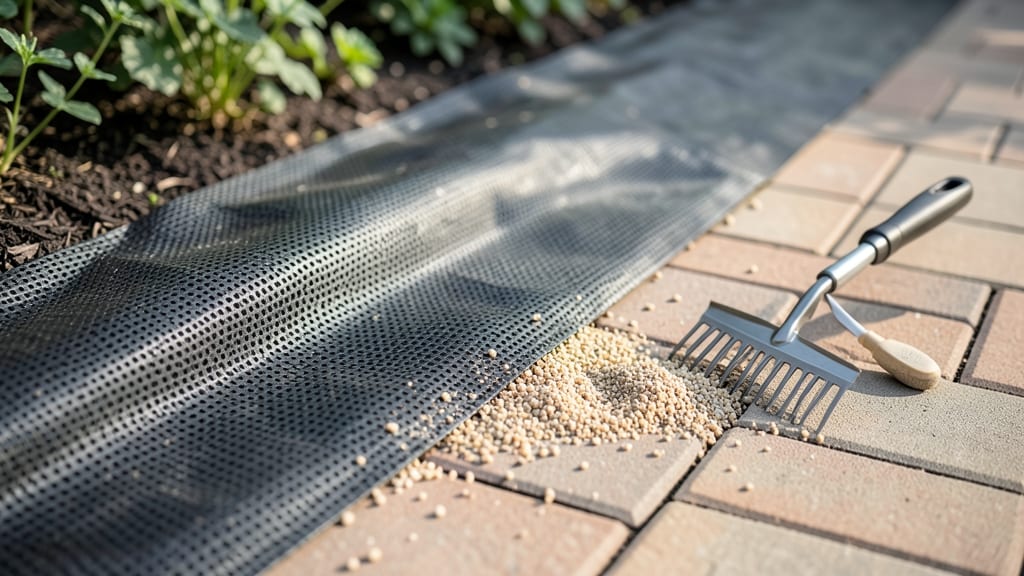
Stop weeds between pavers—they’re not just an eyesore, they’re tenacious. 🌱 I’ve spent hours pulling weeds only to see them back in a week, until I discovered this salt-vinegar combo that dissolves roots in hours, not days.
The secret lies in a chemical reaction that weakens weeds at the cellular level, making them easy to rinse away. You’ll need basic supplies: white vinegar, salt, a spray bottle, and a sunny afternoon.
Mix equal parts vinegar and water, add 1 cup of salt per gallon, and let the solution sit for 30 minutes before spraying. The key is consistency—apply weekly until the weeds stop returning. What you’ll end up with is clean, weed-free pavers that stay that way with minimal effort.
The ground between them stays visible, and you’ll spend less time on maintenance. Plus, the solution is safe for pets once fully dried. This method works for any paved area—driveways, patios, or garden paths.
Just avoid using it near plants you want to keep, as the salt can harm them too.
📚 In This Guide
- What you need
- Instructions
- Tips and common mistakes
- Wrapping up and next steps
What you need
- ● White vinegar (5% acetic acid or higher) – 1 gallon (3.8 liters) (look for organic, food-grade vinegar for safety).
- ● Table salt (sodium chloride) – 1 cup (200g) (non-iodized, fine grain works best).
- ● Spray bottle or garden sprayer – 16–32 oz (500–1000 mL) (with a fine mist nozzle for precision).
- ● Gloves (nitrile or rubber) – 1 pair (to protect your hands from salt and vinegar).
- ○ Watering can or hose attachment – Optional but helpful (for rinsing pavers afterward).
- ● Stiff brush or broom – 1 (to clear debris before treating).
- ○ Plastic sheeting or newspaper – Small section (optional) (to protect nearby plants or mulch).
- ● Dish soap (1 tsp) – Adds surfactant to help the solution stick to weeds.
- ● Rubbing alcohol (1 tbsp) – Speeds up evaporation for faster results.
- ● Hose with shut-off nozzle – For rinsing pavers after treatment.
- ● Knee pads – Comfort for long sessions (trust us, your knees will thank you!).
Step-by-Step instructions for weed control between pavers
Here’s the straightforward method I’ve used to keep my patio weed-free for years.
🪴 Step 1: Clear Existing Weeds and Debris
Start by removing all visible weeds and debris from between the pavers. Use a putty knife or flat-head screwdriver to pry out stubborn weeds at the root level—this prevents regrowth. I like to work on a dry day so the soil is easier to scrape clean. Discard the weeds in the trash, not your compost bin, since they’ll just spread seeds.
Next, sweep away any loose dirt, leaves, or small rocks. A stiff-bristled broom works best for this. The cleaner the surface, the better the treatment will work. If you see any thick mulch or soil buildup between pavers, rake it out to expose the roots completely.
💧 Step 2: Apply the Salt-Vinegar Solution
Mix 1 part white vinegar with 1 part water in a spray bottle or garden sprayer. For tougher weeds, add 1 tablespoon of salt per cup of solution—this helps dissolve roots faster. Shake well before applying. I prefer using a spray bottle for small gaps, but a pump sprayer works better for larger areas.
Spray the solution directly onto the weeds and the surrounding soil between pavers, making sure to saturate the area. Avoid spraying pavers or nearby plants, as vinegar can damage foliage. The solution should be damp but not dripping. Let it sit for 15-30 minutes—this gives the vinegar time to break down the weed structure.
✂️ Step 3: Scrub and Rinse the Area
After the solution has had time to work, use a stiff-bristled brush to scrub the area between pavers. This helps loosen and dissolve any remaining weed roots. Focus on the edges and corners where weeds often hide. You’ll notice the weeds turning brown and mushy—this is a good sign the treatment is working.
Rinse the area with a hose to remove the dead weeds and residue. A gentle stream works best to avoid displacing the pavers. Let the area dry completely before walking on it. If you see any stubborn weeds remaining, repeat the vinegar-salt treatment once more.
☀️ Step 4: Prevent Future Weed Growth
To keep weeds from returning, apply a pre-emergent herbicide or spread gravel or sand between the pavers. I prefer gravel because it’s easy to maintain and doesn’t compact over time. If you choose gravel, use ¼-inch to ½-inch size for best results—smaller gravel can wash away, while larger stones may not fill gaps well.
For extra protection, reapply the vinegar-salt solution every 4-6 weeks during the growing season. This keeps weeds from taking hold. If you notice weeds sprouting quickly, it might mean the area isn’t getting enough sunlight—consider trimming nearby plants to improve light exposure.
Tips & tricks for weed-free pavers
Real talk: I’ve spent countless weekends battling weeds between pavers—until I learned these game-changing tricks that make the job easier and more effective.
Timing Secret: The 15-30 minute wait time in Step 2 is crucial—don’t rush it! Vinegar works best when it has time to penetrate weed roots. If weeds are thick, extend to the full 30 minutes. Pro move: Set a timer so you don’t forget and walk away while it works.
Tool Upgrade: Skip the putty knife for Step 1—grab a narrow oscillating tool instead. It slips between pavers effortlessly and cuts through roots without damaging the pavers. For stubborn weeds, a plastic putty knife works better than metal to avoid scratching your patio surface.
Solution Strength: For really tough weeds, double the salt to 2 tablespoons per cup of solution (optional). This creates a stronger draw solution that pulls moisture from roots faster. Just be careful not to oversaturate—your pavers shouldn’t get wet. A spray bottle gives you better control than a pump sprayer for tight gaps.
Prevention Hack: After your final rinse in Step 3, sprinkle a thin layer of coarse sand (instead of gravel) between pavers. It’s cheaper, washes away easily if needed, and still blocks sunlight that weeds need to grow. Replenish every few months as it settles.
Pro Tips for Stop Weeds Between Pavers
- Real talk: I’ve spent countless weekends battling weeds between pavers—until I learned these game-changing tricks that make the job easier and more effective.
- Timing Secret: The 15-30 minute wait time in Step 2 is crucial—don’t rush it!
- Tool Upgrade: Skip the putty knife for Step 1—grab a narrow oscillating tool instead.
Frequently asked questions
Got questions about keeping weeds at bay between your pavers?
You’re not alone! Here are answers to the most common concerns—plus a few pro tips to make your paver maintenance a breeze.
How often should I treat weeds between pavers?
For best results, treat weeds preventatively every 3–6 months (spring and fall) if your area has mild weed growth. In hot, dry climates or heavily shaded spots, check weekly and treat as soon as you spot sprouts. A quick spray with your salt-vinegar mix can stop weeds before they take root!
Will vinegar and salt damage my pavers or surrounding plants?
No—if used correctly! The salt-vinegar hack is safe for concrete, brick, and stone pavers when diluted (1:1 ratio with water). However, avoid overspray on nearby plants, as vinegar can harm foliage. For edible gardens, keep treatments at least 2 feet away from vegetables or herbs.
What’s a natural alternative if I don’t have vinegar or salt?
Try these DIY weed killers:
- Boiling water: Pour directly on weeds (works fast but may require reapplication).
- Corn gluten meal: Sprinkle before weeds sprout (prevents growth but takes 2–3 weeks to work).
- Dish soap + water: Mix 2 tbsp soap per gallon of water and spray (kills weeds but may dry soil over time).
For stubborn roots, a manual pull + vinegar follow-up combo is often the most effective.
Does the salt-vinegar mix work in extreme heat or cold?
Yes, but timing matters! Apply the mix on mild days (50–85°F)—avoid freezing temps (below 40°F) or scorching sun (after 10 AM). In heatwaves, treat early in the morning or evening to prevent rapid evaporation. Cold weather slows weed growth, so focus on preventative applications in fall.
Why do weeds keep coming back even after treatment?
Weeds often return due to:
- Hidden seed banks in soil—treat repeatedly for 2–3 weeks.
- Incomplete root removal—dig out stubborn weeds with a paver weed puller or screwdriver.
- Poor drainage—if water pools, weeds thrive. Consider a sand top dressing (coarse sand) to smother sprouts.
For persistent areas, a pre-emergent herbicide (like corn gluten) can help break the cycle.
Pro Tip: Prevent weeds before they start!
Spread landscape fabric under pavers (with sand on top) or use paver sealer to block light. Even a thin layer of mulch or gravel can deter weeds long-term. Combine prevention with your salt-vinegar hack for year-round control!
Wrapping up and next steps
Keeping weeds at bay between pavers doesn’t have to be a never-ending battle! With the salt and vinegar hack, you can dissolve stubborn roots in hours while avoiding harsh chemicals. This natural, budget-friendly solution saves time and keeps your outdoor space looking pristine with minimal effort.
Ready to reclaim your patio? Grab your supplies, follow the steps, and enjoy a weed-free walkway in no time. Your future self will thank you! 🌱✨