
Pruning
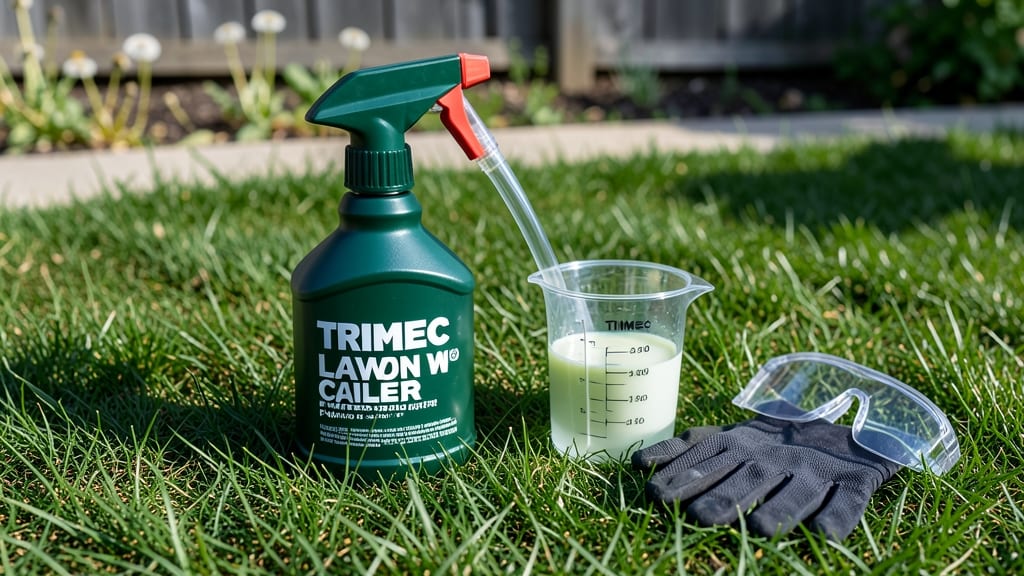
To get the right Trimec lawn weed killer mix ratio, use 1.33 oz of concentrate per gallon of water for basic weed control, or double to 2.67 oz per gallon when dealing with stubborn weeds or thick grass. Always check the product label for your specific weed situation and lawn type.
The correct Trimec mix ratio depends on your lawn's specific challenges. 🌱 The 1.33 oz per gallon formula works well for general maintenance, targeting common broadleaf weeds like dandelions and clover.
However, when facing tougher invaders like nutsedge or thick grass, the 2.67 oz per gallon strength gives you that extra punch needed for complete eradication. I've found that proper mixing isn't just about measurements—it's also about timing.
Applying it on a calm day with dry grass (but not drought-stressed) ensures the active ingredients absorb properly without washing away.
One key factor many people overlook is the soil temperature. Trimec works best when soil temps are above 60°F, as cooler conditions slow down the absorption process.
For best results, I recommend mixing your solution in a clean spray tank with at least 2 gallons of water to ensure even distribution. Always wear gloves and protective eyewear during application, as these chemicals can be harsh on skin and eyes.
💡 In This Article
- Understanding Trimec Concentration Strengths for Different Weed Types
- Step-by-Step Mixing Guide for Optimal Trimec Application
Understanding Trimec concentration strengths for different weed types
Trimec's effectiveness comes from its three active ingredients: 2,4-D, dicamba, and mecoprop, which work synergistically to disrupt plant growth hormones. The 1.33 oz/gallon ratio targets common broadleaf weeds by mimicking plant growth regulators, causing uncontrolled cell growth that stunts their development.
For tougher weeds like nutsedge or thick grass, the 2.67 oz/gallon ratio delivers a stronger hormonal disruption, effectively shutting down the weed's growth systems. 🌱 This higher concentration is particularly effective because it creates a more aggressive chemical environment in the plant's vascular system.
The difference in ratios directly correlates with weed biology. Common weeds like dandelions have less robust root systems and thinner leaves, making them vulnerable to the standard concentration. However, tough weeds like nutsedge have extensive underground rhizomes that require a more potent chemical dose to penetrate their defense mechanisms.
The higher ratio also accounts for thicker grass competition that can dilute the chemical's impact on target weeds. Soil moisture plays a critical role here—too dry, and the chemicals can't reach the roots; too wet, and they may wash away before absorption.
Soil temperature affects absorption rates significantly. Trimec works best when soil temperatures are above 60°F, as warmer conditions increase root activity and chemical uptake. In cooler climates, you might need to apply the higher concentration to compensate for slower absorption.
The chemical's effectiveness also depends on the weed's growth stage—young, actively growing weeds absorb chemicals more readily than mature ones with thickened cell walls. This is why early spring or fall applications often yield better results than summer treatments when weeds are fully established.
Another factor is the weed's leaf structure. Broadleaf weeds have larger surface areas that absorb chemicals more efficiently than narrow-leaved grasses. This is why Trimec is particularly effective against dandelions and clover but requires a stronger dose for weeds with waxy coatings or thick stems.
The chemical's mode of action involves being absorbed through the leaves and transported to the growing points, where it disrupts cell division. In tough weeds, this process needs to be more aggressive to overcome their natural resistance mechanisms. 🌿
Consider these key factors when choosing your ratio:
- Weed type: Common weeds (dandelions, clover) - 1.33 oz/gallon; tough weeds (nutsedge, thick grass) - 2.67 oz/gallon
- Lawn competition: Thick grass requires higher concentration for effective penetration
- Soil conditions: Warmer soils (>60°F) enhance absorption; cooler soils may need stronger mix
- Application timing: Early spring or fall often requires standard ratio; summer may need higher concentration
What most people don't realize is that the chemical's effectiveness isn't just about concentration—it's also about how evenly it's distributed. A properly mixed solution creates microscopic droplets that adhere to leaf surfaces, maximizing absorption.
This is why using a quality sprayer with adjustable nozzle settings can make a significant difference in your results. The goal is to create a fine mist that covers the weed leaves thoroughly without running off.