
Pests and Diseases
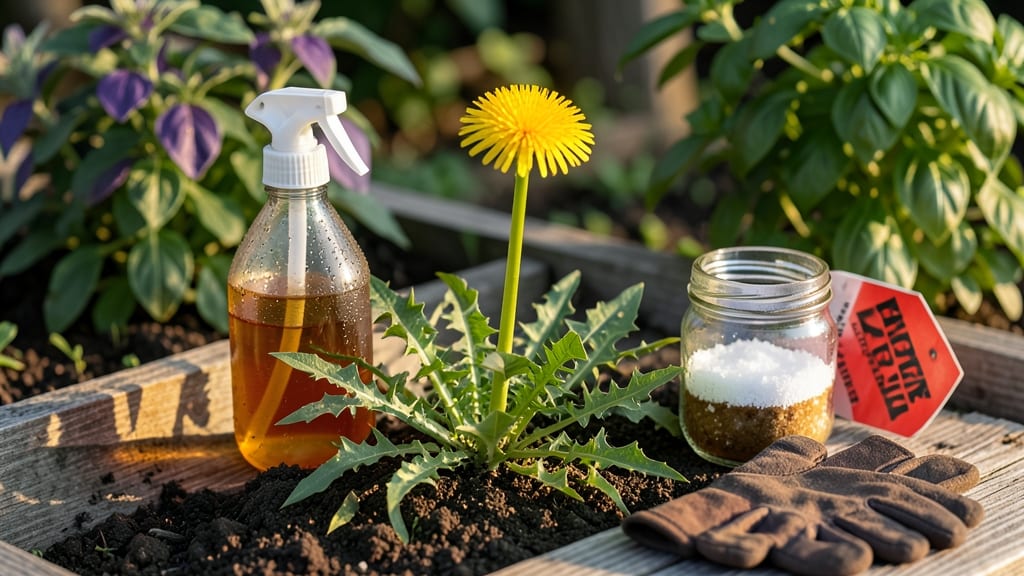
The dangers of using vinegar and salt as a weed killer include severe soil damage, plant toxicity, and long-term harm to beneficial microbes due to extreme acidity and salt accumulation. This combination can sterilize soil and kill nearby vegetation, so always test small areas first and avoid overuse.
This homemade weed killer combo sounds simple, but the chemical reaction creates a double threat. Vinegar's acetic acid burns plant foliage by breaking down cell walls, while salt disrupts root systems and raises soil salinity to toxic levels. 🌱 The real kicker?
Both ingredients disrupt soil microbes that help decompose organic matter and cycle nutrients. Even "safe" plants like clover or grass can suffer stunted growth or die if exposed repeatedly.
What makes this especially risky is how quickly damage accumulates. A single application might seem harmless, but repeated use builds up salt deposits that persist for years, turning fertile soil into a barren wasteland.
I've seen gardeners accidentally kill their prized perennials this way—always spot-test first, and consider gentler alternatives like targeted boiling water or corn gluten meal.
💡 In This Article
- How Vinegar and Salt Damage Soil and Plants
- Safer Homemade Weed Killer Alternatives
How vinegar and salt damage soil and plants
When you mix vinegar and salt, you're creating a chemical cocktail that attacks plants on multiple fronts. Vinegar's acetic acid—typically 5-8% concentration in household versions—disrupts plant cell membranes by breaking down their protective lipid layers. This causes immediate wilting and browning as cells lose moisture and nutrients.
The salt, usually sodium chloride, exacerbates the damage by dehydrating roots through osmosis, forcing water out of plant tissues to balance the high salt concentration in the soil.
The real danger lies in how these two ingredients interact with soil chemistry. Salt raises soil salinity, which alters the pH balance and creates an environment where beneficial microbes—like mycorrhizal fungi and nitrogen-fixing bacteria—can't survive. These microbes are essential for breaking down organic matter and making nutrients available to plants.
Over time, repeated applications can turn fertile soil into a sterile, salty wasteland where even hardy perennials struggle to grow. The damage isn't just cosmetic; it's systemic, affecting the entire ecosystem of your garden. 🌱
Consider this: a single application of vinegar-salt mixture can raise soil salinity to levels that mimic coastal desert conditions. In agricultural studies, soils with 4 dS/m (decisiemens per meter) salinity—roughly what you'd get from heavy vinegar-salt use—show 50% yield reductions in crops.
For comparison, most garden soils naturally sit between 0-2 dS/m. The salt doesn't wash out easily either; it accumulates in the upper soil layers, creating a persistent barrier that prevents new plants from establishing roots.
What's particularly insidious is how this combo affects nutrient absorption. Plants rely on a delicate balance of minerals like potassium, calcium, and magnesium. High salt levels disrupt this balance, causing nutrient deficiencies that manifest as yellowing leaves, stunted growth, or even death.
Even "tough" plants like dandelions or crabgrass will eventually succumb if the soil becomes too saline. The vinegar's acidity further complicates things by leaching essential nutrients from the soil, leaving plants starved even if they survive the initial chemical assault.
Here's a visual breakdown of the damage progression:
- Immediate (0-24 hours): Plant foliage turns brown and crispy as cell membranes rupture
- Short-term (1-4 weeks): Roots blacken and die back from dehydration and salt toxicity
- Long-term (months-years): Soil structure degrades, microbial life collapses, and salinity builds up
What most people don't realize is how easily this damage spreads. Wind can carry vinegar mist to nearby plants, and rain will wash salt deeper into the soil profile, affecting areas beyond your target weeds.
The combination creates a "domino effect" where one application can trigger a cascade of ecological imbalances in your garden. 🌿 This is why professional horticulturists strongly advise against using this method—once your soil's microbial community is disrupted, it can take years to recover, if ever.