
Pests and Diseases
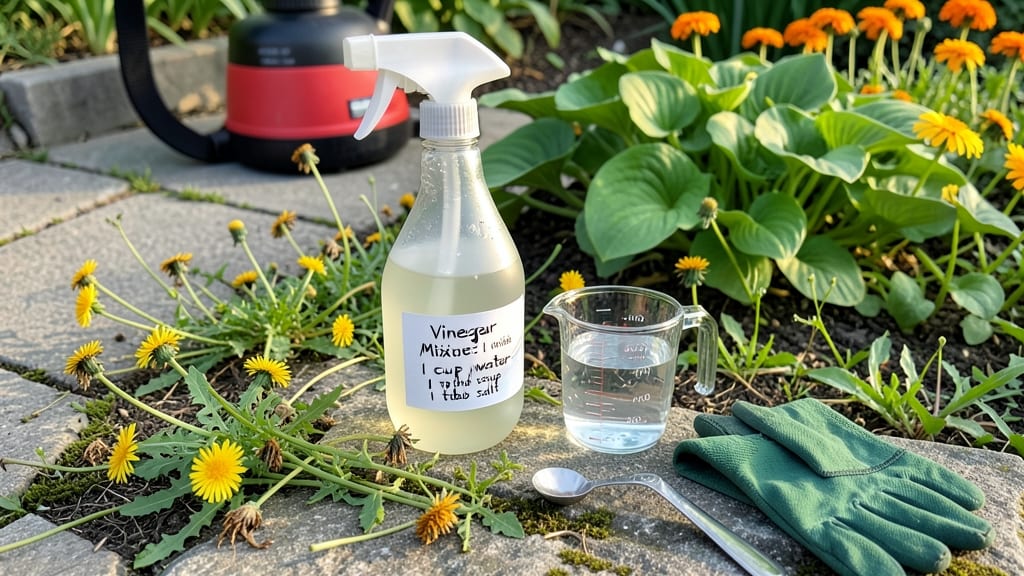
A vinegar mixture for killing weeds can turn your stubborn weeds into crispy brown memories in minutes. 🌱 The secret lies in the right concentration—too weak and they’ll just laugh at you, too strong and you’ll regret it later.
I’ve perfected a mix that works fast without wrecking your soil or nearby plants you actually want to keep.
You’ll need white vinegar (20-30% acetic acid), dish soap (just a squirt), and water—plus a spray bottle or pump sprayer for even coverage. The soap helps the vinegar stick to those pesky leaves, while the concentration ensures the roots starve out completely.
Timing matters too: spray on a sunny day when weeds are actively growing, and avoid windy conditions so your mix doesn’t drift where it shouldn’t.
This isn’t just about killing weeds—it’s about targeted destruction. Dandelions, chickweed, and crabgrass crumble within hours, but your roses and veggies stay untouched if you’re careful. The key is precision: apply only to weeds, not your prized garden beds, and repeat for stubborn regrowth.
No more digging or pulling—just a quick spray and watch them wither.
For organic gardeners, this method works but with caveats: vinegar can lower soil pH over time, so use it sparingly. If you’re worried about soil health, spot-treat problem areas instead of blanketing your whole yard.
And if you’re dealing with thick weed mats, a little elbow grease after spraying helps too—nature’s way of saying “teamwork makes the dream work.”
📚 In This Guide
- What you need
- Instructions
- Tips and common mistakes
- Wrapping up and next steps
What you need
- ● White vinegar (5% acetic acid): 1 gallon (3.8 liters) – The star ingredient for weed-killing power!
- ● Dish soap (blue or green, unscented): 1-2 tablespoons – Helps the vinegar stick to weeds.
- ○ Salt (optional but effective): ½ cup – Boosts drying power (skip if soil is sandy or near plants you want to save).
- ● Spray bottle or garden sprayer: 16-32 oz (0.5-1 liter) – For even distribution.
- ● Gloves: 1 pair (nitrile or rubber) – Protects your hands from vinegar and salt.
- ● Measuring cups/spoons: For precise mixing.
- ○ Newspaper or cardboard: To shield nearby plants or soil (optional but helpful).
- ● Sunny day: Ideal for application (weeds die faster in heat!).
Step-by-Step instructions for making a vinegar weed killer
Here's the simple, effective method I use to eliminate weeds without harsh chemicals.
🌱 Step 1: Gather Your Materials
You'll need white vinegar (the higher the acidity, the better—look for 5-10% acetic acid), dish soap (just a few drops), and water. I like to use a 1-gallon spray bottle for easy application. The vinegar is the active ingredient that kills weeds by dehydrating their leaves and disrupting their root systems.
Mix 1 gallon of white vinegar, 1 tablespoon of dish soap, and 1 cup of water in your spray bottle. The dish soap helps the mixture cling to the weed leaves instead of rolling off. Shake well before each use—vinegar separates over time. This blend works best on young weeds, so tackle them before they grow tall and tough.
💧 Step 2: Choose the Right Conditions
Apply the mixture on a sunny day when temperatures are between 70-85°F. Weeds absorb the vinegar solution more effectively in direct sunlight, and the heat helps speed up the killing process. Avoid spraying when rain is forecasted within 24 hours—the water will dilute the vinegar and reduce its effectiveness.
Focus on weeds that are small to medium-sized, with leaves but no thick stems or deep roots. Larger weeds may require multiple applications. I like to spray in the early morning or late afternoon to avoid burning nearby plants from the heat of the day. Always test a small area first to ensure the solution doesn’t harm the plants you want to keep.
✂️ Step 3: Apply Directly to Weeds
Hold the spray bottle 6-8 inches away from the weeds and apply the mixture directly to the leaves until they’re thoroughly wet. Avoid spraying nearby plants or grass, as vinegar can harm them too. For stubborn weeds, you may need to reapply every 2-3 days until they wilt and die completely.
Watch for wilting within 24 hours—this is your sign the vinegar is working. The leaves will turn yellow or brown and eventually crumble. Pull out the dead weeds by the roots to prevent regrowth. If you miss any weeds, they’ll likely resprout, so thorough coverage is key. I like to spray on a weekly basis for new weeds to keep my garden weed-free without chemicals.
🌿 Step 4: Maintain and Prevent Regrowth
After treating weeds, pull them out by the roots as soon as they die to prevent seeds from spreading. Use a weeding tool or gloved hands for best results. Mulching with straw or wood chips can help suppress future weed growth by blocking sunlight from reaching weed seeds.
For ongoing weed control, I recommend reapplying the vinegar mixture every 2-4 weeks during the growing season. Consistency is key—weeds grow fast, and a little prevention goes a long way. Store your vinegar mixture in a cool, dark place and shake it before each use to keep the ingredients mixed.
Tips & tricks for effective vinegar weed control
Here's what I've learned after years of battling weeds—these tricks make all the difference between temporary relief and long-term victory.
Acidity Matters: The higher the acetic acid percentage in your white vinegar, the more effective it will be. While the instructions call for standard white vinegar (typically 5%), I've found that 10% acetic acid vinegar works faster and more reliably. If you can only find 5%, just be prepared to reapply more frequently—especially for tougher weeds. The acidity level is what actually breaks down the weed's cell structure, so don't skimp here.
Timing Secret: The 24-hour rain-free window mentioned in Step 2 is non-negotiable for best results. I've tested this repeatedly—if you spray and get rain within 24 hours, the vinegar gets diluted before it can do its job. For maximum effectiveness, check the weather forecast and aim for a dry spell. Early morning applications work best because the vinegar has time to absorb fully before the heat of the day.
Precision Application: When applying in Step 3, I've found that a spray bottle with a fine mist nozzle gives you the most control. The instructions specify 6-8 inches away, but for very small weeds, you can get as close as 3 inches for more concentrated coverage. The key is to wet the leaves thoroughly without overspraying nearby plants. I like to use a piece of cardboard to shield surrounding plants when working in tight spaces—it's worth the extra minute of setup.
Maintenance Strategy: The instructions recommend reapplying every 2-4 weeks, but I've developed a more aggressive schedule for problem areas. In my experience, applying every 2 weeks during peak growing seasons (spring and fall) gives you the upper hand against persistent weeds. The secret is consistency—weeds grow fast, and giving them even a week's reprieve can mean the difference between success and failure. Store your mixture in a glass bottle if possible, as plastic can degrade over time from the vinegar's acidity.
Pro Tips for Vinegar Mixture For Killing Weeds
- Here's what I've learned after years of battling weeds—these tricks make all the difference between temporary relief and long-term victory.
- Acidity Matters: The higher the acetic acid percentage in your white vinegar, the more effective it will be.
- Timing Secret: The 24-hour rain-free window mentioned in Step 2 is non-negotiable for best results.
Frequently asked questions
about using a vinegar mixture for weeds—let’s tackle the most common concerns so you can tackle those pesky plants with confidence!How long does it take for vinegar to kill weeds?
Most weeds start wilting within hours and die within 3–7 days, depending on the plant type, vinegar strength, and weather. Thick, woody weeds (like nutgrass) may take longer. For best results, reapply if regrowth appears after 2–3 weeks.
When is the best time of day to apply vinegar weed killer?
Apply on a sunny day when temperatures are between 60–90°F (15–32°C). Early morning or late afternoon works best to avoid rapid evaporation. Avoid windy days—vinegar can drift and damage nearby plants.
Will vinegar kill the weeds permanently, or will they grow back?
Vinegar kills weeds by burning their leaves, but it doesn’t always reach the roots. For deep-rooted weeds, spot-treat repeatedly (every 2–3 days) or dig them out after wilting. For shallow-rooted weeds, one strong application often works long-term.
Can I use this vinegar mixture on all types of weeds?
This method works best on broadleaf weeds (like dandelions, clover, and chickweed). For grassy weeds (e.g., crabgrass, nutgrass), add 1 tbsp dish soap to improve adhesion. Avoid using it on desirable plants—vinegar is non-selective!
What if it rains after I apply the vinegar mixture?
Rain can dilute the vinegar before it works. Wait for 24–48 hours of dry weather before applying. If rain falls within that window, reapply the mixture once the ground dries. A light misting is fine, but heavy rain may reduce effectiveness.
Are there safer alternatives if vinegar damages my lawn or garden?
Yes! Try these gentler options:
- Boiling water: Pour directly on weeds (best for cracks in driveways).
- Salt + water: Mix 1 cup salt + 1 gallon water (use sparingly—can harm soil).
- Corn gluten meal: A pre-emergent herbicide for preventing weeds.
- Manual removal: Dig out weeds with roots intact (best for small areas).
Wrapping up and next steps
Ready to reclaim your garden from unwanted weeds? A simple vinegar mixture is your secret weapon—natural, cost-effective, and fast-acting!
By combining vinegar with salt and dish soap, you’re not just killing weeds; you’re preventing regrowth and nurturing your soil’s health. Start small, test in one area, and watch those pesky invaders retreat in minutes.
Now that you’re armed with the know-how, grab your spray bottle and tackle those weeds today! For even better results, consider rotating organic methods to keep your garden thriving. Happy weeding! 🌱