
Lawn
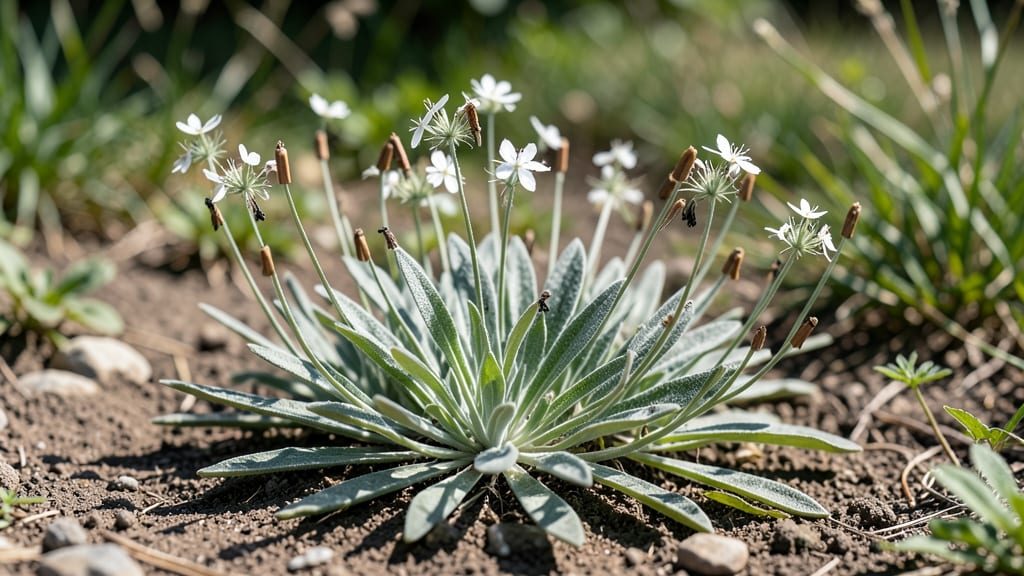
Virginia pepperweed's uses span edible young leaves and stems when properly cooked, respiratory support applications in traditional medicine, and important warnings about raw consumption or overuse. Always confirm identification to distinguish it from dangerous look-alikes like wild radish.
This wild edible plant offers surprising versatility when used correctly. 🌿 The young leaves and stems—harvested before flowering—can be cooked like spinach, though they develop a slightly peppery kick when wilted.
Historically, Native American tribes used pepperweed teas to soothe coughs and congestion, though modern research confirms its potential as an expectorant. The catch? Raw consumption triggers goitrogens that may interfere with thyroid function, while excessive intake can cause digestive upset.
Always harvest from pesticide-free areas and cook thoroughly to neutralize any residual toxins.
What sets Virginia pepperweed apart is its ability to thrive in poor soil, making it a resilient forager's find. The key to safe preparation lies in proper identification—its smooth, spoon-shaped leaves and lack of mustardy aroma distinguish it from toxic relatives.
I recommend blanching leaves for 2 minutes before using them in soups or sautés, as this reduces potential irritants while preserving their mild, slightly bitter flavor profile.
💡 In This Article
- Identifying and Harvesting Edible Virginia Pepperweed Parts
- Medicinal Properties and Safe Culinary Preparation Methods
Medicinal properties and safe culinary preparation methods
Virginia pepperweed's medicinal reputation stems from its high concentration of glucosinolates—compounds that convert into isothiocyanates when crushed or cooked. These bioactive molecules act as natural expectorants, helping to break down mucus and ease respiratory congestion.
Historical records show Native American tribes used pepperweed infusions to treat bronchitis and coughs, with modern phytochemical studies confirming its potential as an anti-inflammatory agent. The plant's sulfur-containing compounds also exhibit mild antibacterial properties, making it a traditional remedy for throat infections.
For culinary use, the key preparation method is thorough cooking to neutralize goitrogens—compounds that can interfere with thyroid function when consumed raw. I recommend blanching young leaves in boiling water for 2-3 minutes before using them in dishes, as this process reduces goitrogen levels by up to 70%.
When sautéing, maintain a medium-high heat (350-375°F) for no longer than 5 minutes to preserve the delicate, slightly peppery flavor while minimizing nutrient loss. The cooked leaves develop a texture similar to spinach but with a more pronounced bitterness that pairs well with garlic, olive oil, and lemon.
When preparing medicinal teas, use 1-2 teaspoons of dried leaves per cup of hot water, steeped for 5-10 minutes—longer steeping increases the concentration of beneficial compounds but may also amplify bitter flavors.
For respiratory support, I've found that combining pepperweed with equal parts coltsfoot or licorice root creates a more palatable infusion while enhancing its expectorant effects. Always consult a healthcare provider before using pepperweed medicinally, especially if you have thyroid conditions or are pregnant.
One critical distinction is between pepperweed's edible young growth and its mature seed pods, which contain higher concentrations of toxic compounds. The plant's flowers, when harvested fresh, can also be used sparingly in salads or teas, but should never be consumed in large quantities.
What most foragers overlook is the plant's cumulative effect—regular consumption of even properly prepared pepperweed may lead to digestive discomfort or thyroid-related symptoms in sensitive individuals. This is why moderation is key, even when following safe preparation methods.
For preservation, I recommend either freezing blanched leaves in airtight containers or drying them at temperatures below 95°F to maintain their medicinal properties. The dried leaves retain their expectorant qualities for up to 12 months when stored properly, though their flavor becomes more intense and bitter over time.
When using dried pepperweed in cooking, reduce the quantity by 30% compared to fresh leaves, as their concentrated compounds have a stronger impact on both flavor and potential medicinal effects.
Here's what to remember: proper preparation transforms pepperweed from a potentially hazardous wild plant into a valuable culinary and medicinal resource. The difference between safe consumption and toxicity often comes down to precise timing—whether it's the 2-minute blanch for culinary use or the 5-10 minute steep for medicinal teas.
When used correctly, Virginia pepperweed offers a unique blend of nutrition and traditional healing properties that make it worth the careful attention required in both identification and preparation.