
Pests and Diseases
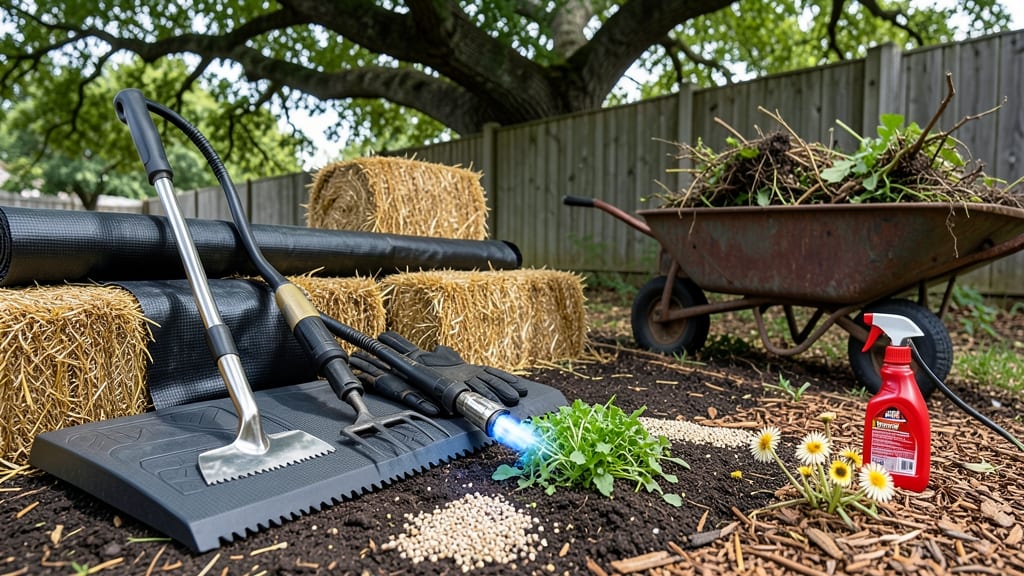
The right weed control equipment can turn a frustrating gardening battle into a breeze—especially when you’re up against stubborn weeds. Ergonomic lever-style weeders cut through roots like butter, saving your back and your sanity.
I’ve tested everything from cheap plastic tools to pro-grade stainless steel, and the difference in leverage makes all the difference when tackling dandelions or bindweed. The best part? No more bending over for hours.
These tools are designed to let you stand tall while pulling weeds by the root, reducing strain on your knees and wrists. For flower beds, a long-handled weeder with a serrated edge is my go-to—it slips under tough roots without damaging nearby plants.
You’ll notice a difference immediately: fewer regrowths, cleaner beds, and less frustration. Plus, they’re versatile enough for lawns, vegetable patches, or even sidewalk cracks. No more digging with your fingers or struggling with dull tools that snap.
For those who prefer chemical-free methods, pair your lever weeder with a sharp hoe or mulch to smother weeds before they sprout. The right tool turns a chore into a quick, satisfying task—no black thumb required.
📚 In This Guide
- What you need
- Instructions
- Tips and common mistakes
- Wrapping up and next steps
What you need
- ● Ergonomic Lever Weeder: 1 x Heavy-duty lever weeder (stainless steel or reinforced aluminum, 12–18" long)
- ● Spec: Adjustable lever length for deep-rooted weeds (e.g., dandelions, bindweed)
- ● Garden Gloves: 1 pair (nitrile-coated, reinforced for grip and durability)
- ● Knee Pads: 1 pair (gel-cushioned for comfort during prolonged use)
- ● Pruners/Shears: 1 x Bypass pruners (for cutting thick weed stems at the base)
- ● Garden Fork or Dandelion Digging Bar: 1 x Heavy-duty tool (for loosening compacted soil)
- ● Wheelbarrow or Bucket: 1 x (for hauling debris)
- ● Water Hose or Spray Bottle: (for rinsing tools post-use)
- ● Soil Knife: 1 x (for precision cuts around roots)
- ● Vinegar or Herbicide Spray: (for post-removal treatment—use cautiously)
- ● Compost Bin: (to recycle weed debris into nutrient-rich soil)
- ● Sunscreen & Hat: (if working outdoors for extended periods)
How to use ergonomic lever tools for stubborn weed removal
Here's the method I've perfected for tackling deep-rooted weeds without straining your back.
Select the Right Ergonomic Lever Tool
Look for a tool with a thick, reinforced lever arm and a wide, flat blade at the base. The best designs have a comfort grip that fits your palm naturally—this reduces hand fatigue during long sessions. I recommend a 12-16 inch lever for most garden weeds; longer levers give more leverage for stubborn roots but require more space to operate.
Check the blade angle—45-degree bevels work best for slicing through tough roots without digging too deep. Avoid cheap tools with thin metal; they bend under pressure. A sturdy, heat-treated steel blade holds up to years of use. If your tool feels flimsy when you press down, it won't last through a full weed-pulling session.
Position the Tool for Maximum Leverage
Start by inserting the blade just beneath the soil surface at the weed's base, about 1-2 inches from the stem. Angle the lever slightly toward the weed's root system—this creates a fulcrum point that multiplies your force. Press down firmly but gradually; sudden jerks can snap the tool or leave root fragments behind.
Watch for resistance—when you feel the root give slightly, that's your signal to rotate the lever 90 degrees and repeat. This breaks the root in sections rather than pulling it all at once. For weeds with deep taproots (like dandelions or thistles), you may need to repeat this process 2-3 times before the entire root system releases.
Apply Consistent Pressure and Angle
Apply steady downward pressure until the blade bites into the soil. The goal is to sever the root rather than uproot it all at once—this prevents regrowth from remaining fragments. I find that three short presses work better than one long one; it gives me better control and reduces the chance of bending the tool.
Keep the lever perpendicular to the weed's growth direction. If the weed is growing diagonally, adjust your angle to follow its path. You'll know you're on the right track when the weed lifts slightly or the soil around the root loosens. Never force the tool—if it feels stuck, you're either at the wrong angle or the root is too thick for a single pass.
Remove Debris and Check for Regrowth
After severing the root, use the tool's blade to scrape away loose soil around the base. This exposes any remaining root fragments that could sprout later. I like to run my fingers through the disturbed soil to feel for rough edges or fibrous strands—these are signs of incomplete removal.
For weeds with extensive lateral roots (like creeping Charlie), you may need to make multiple passes in a grid pattern. Once the area looks clean, water the spot lightly—this helps settle the soil and can flush out hidden root pieces that might otherwise regrow. Check the area again in 7-10 days to confirm no new shoots appear.
Maintain Your Tool for Long-Term Use
After each use, wipe down the blade with a damp cloth to remove sap and soil buildup. Store the tool in a dry place to prevent rust—even slight corrosion weakens the metal over time. I keep mine in a tool shed with a dehumidifier during rainy seasons. Sharpen the blade once a year or when you notice it dragging instead of cutting cleanly.
If the lever arm starts to feel wobbly or misaligned, tighten any visible bolts immediately. A loose tool is dangerous and less effective. With proper care, a high-quality ergonomic lever tool will last 5-10 years, making it a worthwhile investment for any garden.
Tips & tricks for perfect ergonomic lever tool use
Mastering stubborn weeds starts with understanding how to leverage your tool effectively—literally. Here’s how to get the most out of your ergonomic lever without straining your back or missing those deep roots.
Leverage Angle is Everything: In Step 2, when positioning your tool, think of the blade as a wedge. The 45-degree bevel isn’t just for looks—it’s designed to split roots cleanly when angled correctly. If you’re struggling with a thick root, try rotating the tool slightly to follow the root’s natural curve. This creates a cleaner break and reduces the chance of leaving fragments behind that could regrow. For weeds like bindweed with stubborn lateral roots, I often make two passes at slightly different angles to ensure complete removal.
Pressure Technique Matters: When applying pressure in Step 3, imagine you’re using a crowbar—not a hammer. Three short, controlled presses work better than one long push because they give you better feedback. If the tool feels like it’s fighting you, you’re either at the wrong angle or the root is thicker than you thought. Pro tip: Place your foot on the lever’s base for extra stability—this prevents the tool from slipping and gives you more control, especially with deep-rooted weeds like dandelions.
Root Severing vs. Uprooting: The goal isn’t to pull the weed out in one piece—it’s to sever the root system completely. In Step 4, when you’ve broken the main root, use the blade to scrape away soil and check for any remaining fibrous strands. These tiny pieces can sprout into new weeds, so take your time. For weeds with extensive root systems like creeping Charlie, I recommend marking the area with a small stake after treatment. This helps you remember to check for regrowth in your 7-10 day follow-up inspection.
Tool Maintenance Prevents Frustration: Skipping Step 5’s maintenance routine is a fast track to frustration. After each use, wipe down the blade with a damp cloth to remove sap and soil—this prevents rust and keeps the tool sharp. Store it in a dry place, and if you notice the blade dragging instead of cutting cleanly, sharpen it immediately. A well-maintained tool lasts years and makes weed removal effortless. I’ve seen cheap levers bend after just a few uses, but a quality tool with a heat-treated blade will handle years of tough weeds without complaint.
Pro Tips for Weed Control Equipment
- Mastering stubborn weeds starts with understanding how to leverage your tool effectively—literally.
- Leverage Angle is Everything: In Step 2, when positioning your tool, think of the blade as a wedge.
- Pressure Technique Matters: When applying pressure in Step 3, imagine you’re using a crowbar—not a hammer.
Frequently asked questions
Got questions about tackling stubborn weeds with the right equipment?
Here are some of the most common ones—and their answers—to help you make the best choice for your weed control needs.
What’s the best weed control equipment for deep-rooted weeds?
For stubborn roots, opt for lever-style weed pullers or digging forks. These tools leverage ergonomic designs to pry weeds out without breaking, making them ideal for dandelions, thistles, or bindweed. Pair them with a sturdy shovel for tougher jobs.
When is the best time to use weed control equipment?
Timing matters! Pull weeds early in the morning when soil is moist (but not soggy) for easier extraction. Avoid midday heat, which can dry out roots, making them harder to remove. Fall is also a great time—weeds are less aggressive and soil is softer.
Are there chemical-free alternatives to traditional weed killers?
Manual tools
like hoes, hand weeders, and solar-powered weed burners are effective. For larger areas, consider boiling water or vinegar-based sprays (mix 1 gallon vinegar + 1 cup salt + 1 tbsp dish soap). Just test small areas first!
Why does my weed puller keep breaking when I use it?
Over time, metal tools weaken from rust or stress. Lubricate hinges regularly, store equipment dry, and avoid forcing the lever—let the tool’s ergonomic design do the work. If it’s still weak, upgrade to a high-carbon steel model for durability.
Is investing in premium weed control equipment worth it?
Yes, if you’re dealing with persistent weeds or large areas. Premium tools (like ergonomic lever pullers) reduce strain, last longer, and often come with warranties. For occasional use, a mid-range tool with adjustable handles may suffice—balance cost with your specific needs.
Wrapping up and next steps
Investing in the right weed control equipment—especially with an ergonomic lever design—can transform your efforts from a frustrating chore into an efficient, even satisfying task. 🌱 Whether you're tackling stubborn roots or maintaining a pristine landscape, the right tools make all the difference.
Now’s the time to upgrade your arsenal and reclaim control over your space—your back (and garden!) will thank you.
Next step? Start by evaluating your most persistent weeds and matching them with the gear that fits your needs. Shop smart, work smarter! 🛠️