
Plants
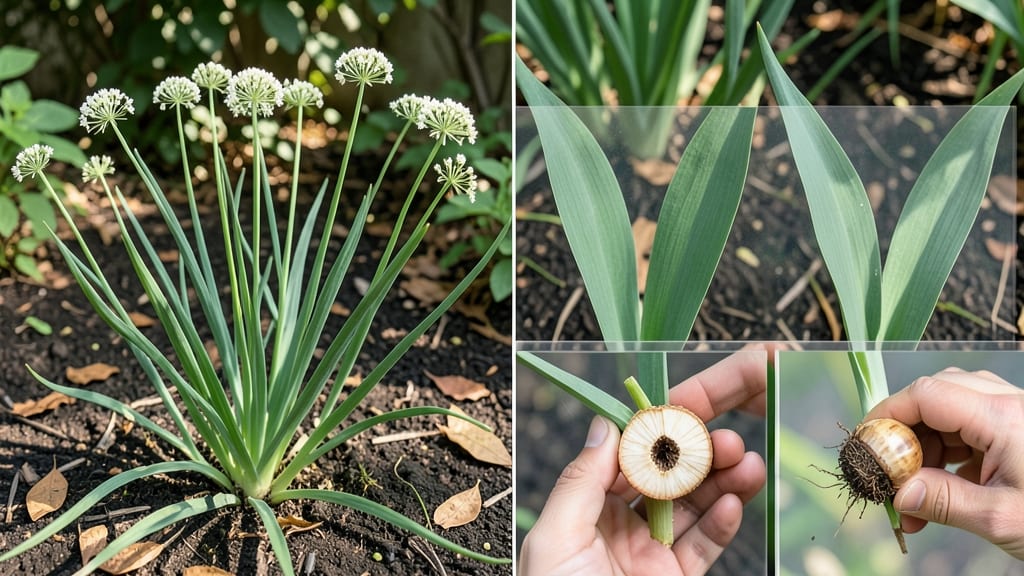
Pulling up what you think are green onions—only to realize it's the weeds that look like green onions—is one of the most frustrating moments in gardening. 🌱 I've made that mistake more times than I can count, and I finally learned how to spot the real deal versus wild onions, crowfoot grass, and other sneaky look-alikes that ruin your harvest.
The key differences start with the roots: real green onions have a thin, white, continuous root system that stores nutrients, while weeds like wild garlic or crowfoot grass have fibrous, branching roots or even bulb-like structures.
Leaves matter too—edible onions grow in a tight, hollow cluster, while weeds often spread outward with straggly, grass-like blades.
Once you know what to look for, removal becomes straightforward: dig deep to avoid leaving root fragments, and check the base of each plant before adding it to your cooking. You'll save hours of weeding and keep your harvest pure—no bitter surprises when you start chopping.
For next time, interplant onions with carrots (they deter onion maggots) and mulch heavily to smother weeds before they sprout. A little prevention turns what used to be a messy puzzle into a simple, satisfying process.
📚 In This Guide
- What you need
- Instructions
- Tips and common mistakes
- Wrapping up and next steps
What you need
- ● Gloves (heavy-duty garden gloves) – Protect your hands from thorns, dirt, and potential irritants. Quantity: 1 pair (or 2 if working in a large area).
- ● Hand trowel or small garden fork – For digging out weeds without disturbing nearby plants. Specification: Stainless steel or durable plastic, 6-8 inches long.
- ● Pruners or sharp scissors – To snip weeds at the base or harvest green onions. Specification: Bypass pruners for clean cuts.
- ● Garden twine or string – For marking areas where weeds are concentrated. Quantity: 1 small roll (50+ feet).
- ● Spray bottle with water – To dampen soil before digging (reduces dust and makes weeds easier to pull). Quantity: 1 (16 oz or larger).
- ● Trash bag or compost bin – For disposal or repurposing weeds. Quantity: 1-2 bags (13-gallon size recommended).
- ○ Notebook or phone with camera – To document weed types for future reference. Optional: Use a plant ID app like PlantNet or iNaturalist.
- ● Vinegar spray (5% acetic acid) – For organic weed killer (test on a small area first!). Quantity: 1 gallon spray bottle.
- ● Mulch (straw, wood chips, or cardboard) – To suppress future weed growth. Quantity: Enough to cover 1-2 inches of soil.
- ● Magnifying glass – For closely inspecting leaf details (especially helpful for distinguishing wild onions from chives!).
- ● Labeling tags or flags – To mark areas where you’ve already pulled weeds and avoid re-treatment.
How to identify and remove weeds that mimic green onions
Here’s how I distinguish sneaky lookalikes from real green onions—and eliminate them permanently.
🌱 Step 1: Examine the Base and Roots
Genuine green onions have a thick, white, pencil-like bulb at the base that tapers into a single, hollow stem. Weeds like wild garlic or crow garlic often have multiple thin stems or no visible bulb. Pull one up gently—if the roots are fibrous and spread outward, it’s a weed. Real green onions pull cleanly with a single, central root.
I always check the soil where the plant grew. If you find tiny bulblets clustered together (like wild onions) or a single, elongated root (like chives), it’s not your onion. Dig deeper—sometimes weeds hide just below the surface, waiting to resprout.
🌿 Step 2: Compare Leaf Patterns
Green onions have long, flat, tubular leaves that grow in a tight cluster. Weeds like wild garlic or grass family imposters (like annual bluegrass) have narrower, more pointed leaves that spread outward. Run your thumb along the leaf edge—real onion leaves feel smooth and slightly waxy, while weeds often have rough or jagged edges.
Look for flower stalks—green onions never produce flowers. If you spot a small, star-shaped white bloom (wild garlic) or grass-like seed heads (grass weeds), it’s a giveaway. Snap off a leaf and smell it: wild garlic smells pungent, while true onions have a mild, sweet aroma.
✂️ Step 3: Dig Out Weeds Completely
For weeds with bulbs (like wild onions), use a hand trowel or garden fork to dig at least 6 inches deep—their roots can regrow from fragments. I always inspect the soil for tiny bulblets and remove them too. For grassy weeds, pull them by the roots and dispose of them in the trash (not compost, where they’ll resprout).
Real green onions can be replanted if their roots are intact. Weeds, however, should never go back in the garden. I mark weed-prone areas with landscape fabric or mulch heavily to prevent regrowth. The key is persistence—weeds return if even a sliver of root remains.
💧 Step 4: Prevent Future Confusion
Plant green onions in well-drained, fertile soil and keep the area weed-free for 3 weeks before harvest. I use black plastic mulch in early spring to smother weeds before planting. Label your beds clearly—misidentified weeds often spread unnoticed.
If you’re unsure, take a photo and compare it to a plant identification app (like PlantNet). I’ve caught wild garlic masquerading as onions this way—always better to double-check than risk a garden takeover. Regular weeding keeps your green onions pure and your harvests reliable.
Tips & tricks for identifying and removing green onion lookalikes
These pro-level strategies will help you spot weeds with confidence—and keep your garden free of sneaky imposters.
Root Examination Secret: When pulling up a plant, check for the "clean pull" test—real green onions should come out with minimal resistance and a single, central root. Weeds often have multiple fibrous roots that tangle like spaghetti. I've found that even a small cluster of bulblets hidden in the soil can regrow into a full weed patch within weeks, so always dig deeper than you think you need to.
Leaf Texture Tell: The difference between smooth and rough leaf edges is your best visual clue. Run your thumb along the leaf edge—genuine green onions feel almost silky, while weeds like wild garlic or grassy imposters have noticeable texture irregularities. This simple touch test has saved me from accidentally harvesting weeds for stir-fries more times than I can count.
Flower Stalk Watch: Green onions never flower, so any plant with blooms is immediately disqualified. Wild garlic's star-shaped white flowers and grass weeds' seed heads are dead giveaways. I keep a small notebook by my garden and mark any plants that show early signs of flowering—this helps me track which weeds are most persistent in my specific growing conditions.
Digging Depth Strategy: The 6-inch rule for bulbous weeds is non-negotiable. I've seen wild onions regrow from just 1-inch-deep fragments, so always use a hand trowel to verify you've removed the entire root system. For grassy weeds, pull from the base rather than cutting at the soil line—this prevents regrowth from the remaining root crown.
Pro Tips for Weeds That Look Like Green Onions
- These pro-level strategies will help you spot weeds with confidence—and keep your garden free of sneaky imposters.
- Root Examination Secret: When pulling up a plant, check for the "clean pull" test—real green onions should come out with minimal resistance and a single, central root.
- Leaf Texture Tell: The difference between smooth and rough leaf edges is your best visual clue.
Frequently asked questions
Got questions about those sneaky weeds mimicking your green onions? Here are some common ones—and how to handle them!
How do I tell if my green onions are actually weeds?
Check the base and roots: real green onions have a white bulb at the bottom, while weeds like wild garlic or crow poison often have fibrous roots or a musty smell when crushed. Pull one up—if it snaps easily, it’s likely a weed!
When is the best time to remove these weeds?
Spring and fall are ideal—soil is softer and weeds are younger, making them easier to pull. Avoid peak summer heat, as weeds may regrow faster. Pro tip: Water the area first to loosen the soil!
Can I eat weeds that look like green onions?
Not all of them!
Some, like wild garlic or chives, are edible but may have different flavors. Others, like crow poison (Glechoma hederacea), are toxic. When in doubt, avoid eating them—stick to store-bought or homegrown onions you’ve confirmed!
What’s the best way to prevent these weeds from coming back?
Use a mulch layer (straw or wood chips) to block sunlight, or try vinegar spray (1:1 vinegar-water ratio) for organic control. Hand-pulling consistently also works—just be patient! For stubborn weeds, a garden hoe can cut them off at the root.
Are there any safe alternatives to chemical herbicides?
Yes! Try boiling water (pour directly on weeds), corn gluten meal (pre-emergent natural blocker), or salt spray (mix 1 cup salt + 1 gallon water—use sparingly!). For long-term prevention, crop rotation or cover crops can help too.
Wrapping up and next steps
Identifying weeds that mimic green onions can save your garden from unwanted invaders—and now you’ve got the tools to do it! 🌱 From checking leaf bases to pulling stubborn roots, you’re ready to tackle these look-alikes with confidence. Next up: grab your gloves, head outside, and give your garden a closer look.
Every weed you remove today means healthier, happier plants tomorrow!
Pro tip: Keep a small notebook handy to track where you spot these weeds—knowledge is power, and your garden will thank you! 📝✨