
Transplanting
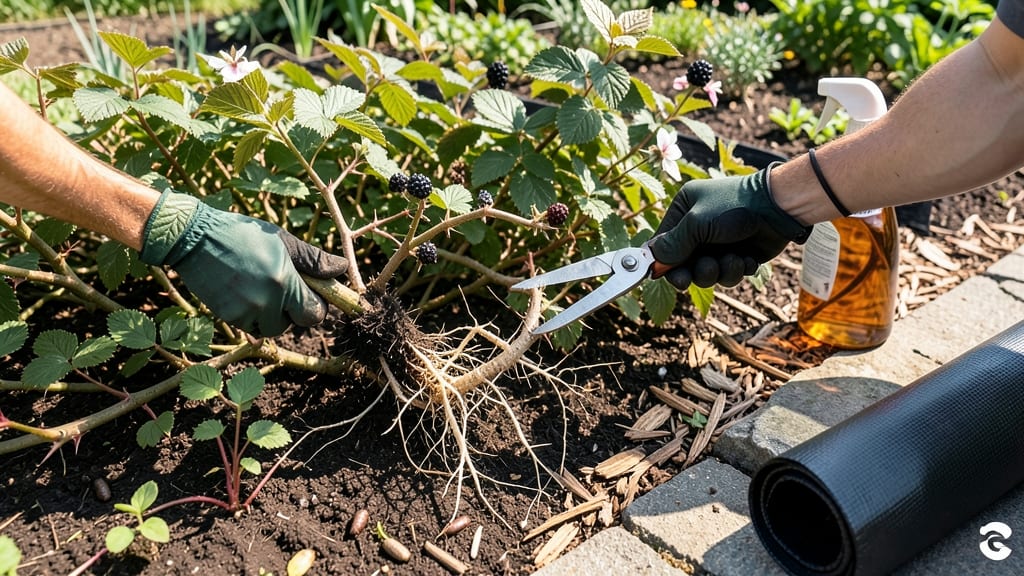
Wild blackberry weeds can turn your garden into a tangled mess if you don’t tackle them early. 🌿 I’ve battled these aggressive vines for years, and the twist-and-pull method is the only way I’ve found to truly remove them without regrowth.
The key is timing—spring or early fall when the roots are still shallow but the plant is actively growing. You’ll need sturdy gloves, a sharp pruning saw, and a long-handled tool to reach deep roots.
The process isn’t quick, but it’s the most effective way to prevent those stubborn suckers from popping up again. I’ve tried digging and smothering—nothing works like this method for stubborn blackberry roots.
Once you’ve twisted the canes free and pulled the roots, soak the area with vinegar or salt to kill any remaining root fragments. The vinegar method is organic but requires reapplication, while salt is faster but harsher on soil. Either way, you’ll see fewer blackberries invading your garden next season.
For large infestations, repeat the process in 3-4 weeks to catch any new shoots. The effort pays off—your garden will stay weed-free, and you won’t have to battle thorns and tangled vines anymore. Here’s exactly how to do it right.
📚 In This Guide
- What you need
- Instructions
- Tips and common mistakes
- Wrapping up and next steps
What you need
- ● Garden gloves – Heavy-duty, long-cuffed (2 pairs, for comfort and protection).
- ● Pruning shears or loppers – Sharp, bypass-style (1 pair, for clean cuts).
- ● Garden fork or digging bar – Sturdy, 18-inch to 24-inch length (1 unit, for loosening soil).
- ● Rubber mallet or hammer – Medium-weight (1 unit, for stubborn roots).
- ● Garden twine or rope – 10–15 feet, sturdy (1 roll, for the twist-and-pull technique).
- ● Shovel – Round-point or spade (1 unit, for initial digging).
- ● Wheelbarrow or large bucket – For debris disposal (1 unit).
- ● Vinegar or herbicide – For pre-treatment (if dealing with dense patches).
- ● Knee pads – For comfort during long sessions.
- ● Root killer spray – For stubborn root fragments left behind.
- ● Mulch or landscape fabric – To prevent regrowth (for post-cleanup).
How to remove wild blackberry weeds using the twist-and-pull method
This method works like a charm for stubborn blackberry brambles—no digging, no chemicals, just elbow grease and patience.
🪴 Step 1: Identify and Prepare the Target Plants
Start by locating the main stem of the blackberry weed—the thick, woody cane that connects to the root system. Look for the largest, most established canes first, as these anchor the plant. I always wear gloves (the thorns are brutal) and long sleeves to avoid scratches.
Use a sharp pair of pruning shears to cut the canes back to about 6 inches above ground level. This reduces the plant's energy reserves and makes the roots easier to remove. You'll see fresh green growth at the base—this is your signal that the plant is still alive and connected to the root system.
✂️ Step 2: Twist the Base and Disrupt the Root System
Grab the cane just above where you cut it and twist it firmly in a circular motion. You want to break the connection between the top and the root system. The goal is to create a clean break—if the cane resists, keep twisting until you hear a slight crack or feel it give way.
Repeat this process for all the main canes, working your way outward from the center of the plant. This step is critical because it weakens the root system, making it easier to pull out later. If you notice smaller shoots popping up around the base, cut those off too—they’ll just regrow if left alone.
💧 Step 3: Soak the Soil and Loosen the Roots
Water the area thoroughly with a hose or watering can until the soil is saturated to a depth of about 4-6 inches. The goal is to soften the soil and make the roots more pliable. I like to wait about 15-20 minutes after watering before pulling—this gives the moisture time to penetrate.
Use a garden fork or sturdy trowel to gently loosen the soil around the base of the plant. Work the tool in a circular motion, about 6-8 inches out from the center. You don’t need to dig deeply—just enough to break up the soil and expose the roots. This makes pulling the plant out much easier without damaging your garden bed.
🌱 Step 4: Pull the Weeds with the Twist-and-Pull Technique
Stand on the outer edge of the plant and grab the base of the cane with both hands. Push down firmly on the top of the plant while pulling upward with a twisting motion. The combination of the twist and the upward pull helps dislodge the roots from the soil. You’ll feel resistance at first, but keep going—once the roots start to break free, the plant should come out with minimal effort.
If the plant doesn’t come out cleanly, don’t force it. Instead, go back to twisting the remaining roots and repeat the process. You might need to work in sections, especially if the plant is large. Check the roots for any remaining pieces—even a small fragment left in the soil can regrow into a new plant.
🌿 Step 5: Clean Up and Monitor for Regrowth
Once the main plant is removed, collect all the debris and dispose of it in a sealed bag or burn pile. Never leave any pieces behind—they’ll sprout new growth. I like to check the soil for any remaining root fragments and pull those out by hand if necessary.
Monitor the area for the next 4-6 weeks. New shoots will pop up if any roots were left behind. When you see them, pull them out immediately before they establish themselves. Over time, the soil will become free of blackberry weeds, and you can replant with your desired garden plants.
Tips & tricks for stubborn blackberry weed removal
Real talk: I've spent more weekends wrestling with these thorny invaders than I'd like to admit. These tricks will save you from the same frustration.
Timing is Everything: The 15-20 minute wait after watering in Step 3 is non-negotiable. This gives the moisture time to work its magic, softening the soil and loosening roots. I've tried rushing it, and trust me, you'll end up with broken roots still tangled in the ground. Set a timer if you need to—this pause makes all the difference when you're pulling.
The Twist Technique: When you're twisting those canes in Step 2, think of it like opening a stubborn jar. You need to apply steady pressure while rotating—don't yank! The key is that cracking sound you hear when the root finally breaks. If you feel resistance, you're not twisting enough. For extra stubborn canes, I've found that wrapping a towel around my hands gives me better grip without slipping on the thorns.
Equipment Substitutes: No garden fork? A sturdy kitchen knife or even a large screwdriver can work in a pinch for loosening soil in Step 3. The important part is creating that circular disruption around the base. Just be careful with the thorns—wear those gloves! For pulling in Step 4, if you don't have a strong grip, try using a bungee cord tied around the cane base for extra leverage.
Regrowth Prevention: After the initial removal, I've learned that the 4-6 week monitoring period in Step 5 is just as important as the removal itself. Keep a small trowel handy and check the area regularly. Even tiny shoots need to be pulled immediately—they'll be easier to remove when small. I mark the area with small stakes so I don't accidentally replant in the same spot.
Pro Tips for Wild Blackberry Weeds
- Real talk: I've spent more weekends wrestling with these thorny invaders than I'd like to admit.
- Timing is Everything: The 15-20 minute wait after watering in Step 3 is non-negotiable.
- The Twist Technique: When you're twisting those canes in Step 2, think of it like opening a stubborn jar.
Frequently asked questions
When is the best time of year to remove wild blackberry weeds?
The ideal window is late winter to early spring (just before new growth starts) or fall after the first frost. These times make the plants dormant, reducing regrowth. Avoid summer—hot weather stresses plants, making them fight harder to survive (and spread).
What if I accidentally leave roots behind? Will they regrow?
Even a 1-inch root fragment can sprout into a new plant. Use the twist-and-pull method to remove the entire root crown (the thick, woody base). For stubborn roots, dig deeper (6+ inches) or smother them with cardboard/mulch for 6 months to starve them out.
Are there chemical alternatives if manual removal fails?
Yes, but use caution! Glyphosate (e.g., Roundup) works well for established patches, but timing matters: Apply on a warm, sunny day when weeds are actively growing. For organic options, try vinegar + dish soap (repeat weekly) or boiling water for small areas. Always follow label instructions!
Can I eat wild blackberries if they’re growing near weeds?
Proceed with caution! Wild blackberries can be delicious and nutritious, but avoid those near heavily sprayed areas (like roadsides or farms) or if the plant shows signs of disease (mold, spots). Rinse thoroughly with water, and when in doubt, pick from certified organic patches or grow your own!
How do I prevent wild blackberries from coming back after removal?
Combine physical and cultural controls:
- Mulch: Apply 3+ inches of wood chips or straw to block sunlight.
- Vinegar spray: Reapply monthly for young sprouts.
- Plant barriers: Use gravel or landscape fabric along garden edges.
- Monitor: Check for new shoots weekly for the first year.
Wrapping up and next steps
Removing wild blackberry weeds doesn’t have to be a battle—with the twist-and-pull method, you can reclaim your yard while minimizing regrowth. 🌱 The key is patience, the right tools, and knowing when to strike (literally!).
Whether you’re tackling thickets or stubborn roots, this technique saves time and effort compared to traditional digging.
Ready to take action? Start small—clear a test patch first to refine your approach. Then, roll up your sleeves and transform those pesky weeds into space for your dream garden or lawn. Every twist and pull brings you closer to a cleaner, greener space! 💪