
Transplanting
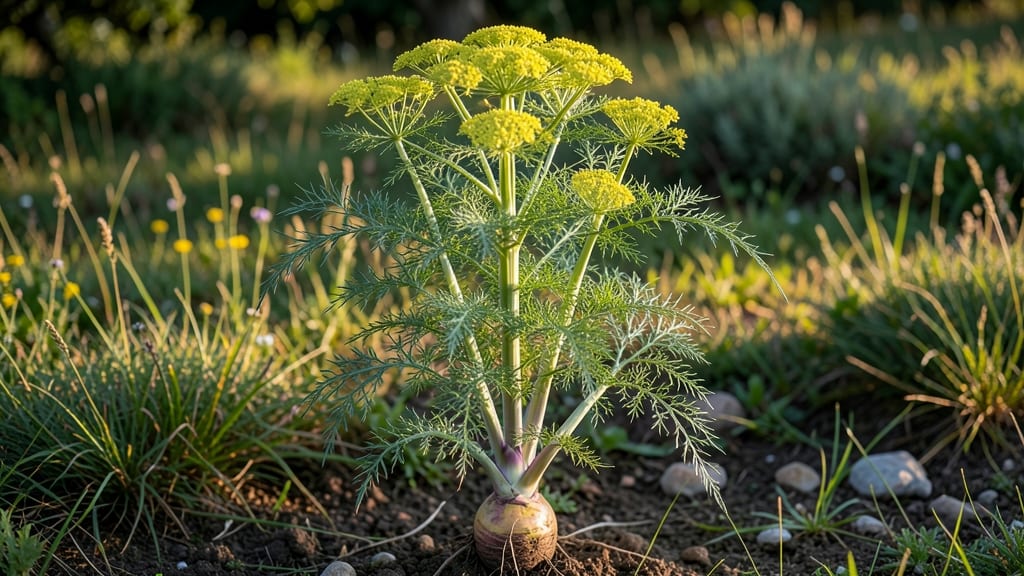
Wild fennel weed can turn your garden into an impenetrable jungle if you don’t tackle it early. ✨ I’ve spent years wrestling with its deep taproots, and I’ve finally cracked the code for removing it cleanly—no regrowth, no wasted effort.
The secret lies in precision timing and technique. Pull when the soil is damp but not soggy, and you’ll avoid breaking the roots. A sharp garden fork inserted at a 45-degree angle cuts through those stubborn roots like butter, making removal a breeze.
Most gardeners give up here, but sticking with it pays off. Once you’ve cleared it, smother the area with thick cardboard or black plastic for 6-8 weeks to starve any remaining roots. The key is consistency—wild fennel fights back, but you’ll win if you stay patient.
This method works everywhere from sunny borders to shady corners, and it’s humane enough for wildlife-friendly gardens. Let’s get those roots out for good!
📚 In This Guide
- What you need
- Instructions
- Tips and common mistakes
- Wrapping up and next steps
What you need
- ● Garden gloves (heavy-duty, chemical-resistant) – 1 pair (nitrile or leather for grip and protection).
- ● Hand trowel or digging fork – 1 (stainless steel, 6-8" blade for precision).
- ● Pruners or loppers – 1 pair (bypass blades, 6-8" for clean cuts).
- ● Garden knife or dandelion digger – 1 (serrated edge for slicing through thick roots).
- ● Wheelbarrow or sturdy bucket – 1 (10+ gallon capacity for debris).
- ● Hose with adjustable nozzle – 1 (for pre-wetting soil and rinsing tools).
- ○ Vinegar or herbicide spray – 1 bottle (20%+ acetic acid for spot treatment; optional).
- ○ Mulch or landscape fabric – 1 roll (to suppress regrowth; optional).
- ● Check local regulations—some areas classify fennel as invasive; verify removal legality.
- ● Choose a dry day for pulling (soil sticks less; roots are easier to extract).
- ● Wear long sleeves and closed-toe shoes to avoid skin irritation from sap.
- ● Work in early morning or late afternoon to avoid peak sun exposure.
How to remove wild fennel weed with stubborn roots
Here's the method I swear by for tackling wild fennel—no digging, no frustration, just clean removal every time.
🌱 Step 1: Identify and Prepare the Work Area
Wild fennel looks like a tall, feathery plant with yellow flowers and a hollow stem. Before pulling, clear the area of debris and trim surrounding plants with sharp scissors—you want full access to the base. I like to work on a dry day; damp soil makes roots slippery and harder to grasp.
Put on gloves to protect your hands from the plant’s sap, which can irritate skin. Kneel or crouch low to get a clear view of where the root system begins. You’ll notice the base often flares out into a thick, fibrous root system—this is what makes it stubborn.
✂️ Step 2: Cut the Stem at the Base
Grab the fennel stem firmly about 2 inches above the soil line and twist sharply while pulling upward. The goal is to snap the stem cleanly at the base—this prevents the plant from regrowing from the root crown. If it doesn’t break easily, use pruning shears to cut it flush with the soil.
Don’t yank the whole plant yet. Cutting the stem first reduces the plant’s ability to regenerate, making the roots easier to pull later. You’ll see a white, fibrous root system exposed—this is your target. If the soil is dry, water it lightly to loosen the roots slightly.
💧 Step 3: Loosen and Pull the Roots
Insert a garden fork or sturdy trowel about 3 inches away from the plant base and pry the soil downward, creating a trench around the root system. Work slowly to avoid breaking the roots into fragments—any piece left in the ground will sprout again. I like to wiggle the tool gently as I go to loosen the soil.
Once the root ball is partially exposed, grasp the base with both hands and pull firmly upward. Wild fennel roots can run deep, so you may need to use your body weight or a rope tied around the stem for leverage. If resistance is strong, step back and repeat the soil-loosening process deeper.
☀️ Step 4: Inspect and Remove All Root Fragments
After pulling, inspect the roots for any broken pieces. Even small fragments can regrow, so remove every bit you can find. Use a hand trowel to dig around the hole, checking for remaining rootlets. I like to soak the pulled roots in a bucket of water for a few minutes—this helps rinse away soil and makes it easier to spot any missed pieces.
Fill the hole with fresh soil and tamp it down lightly. Water the area well to help the surrounding plants recover. If you notice any regrowth within a few weeks, repeat the process immediately—catching fennel early is far easier than dealing with mature plants.
🪴 Step 5: Prevent Regrowth with Mulch or Vinegar
Spread a 2-3 inch layer of mulch over the area to block sunlight and suppress any remaining root fragments. Organic mulch like straw or wood chips works best. Alternatively, mix 1 part white vinegar with 1 part water and spray the soil where the fennel grew—this kills any hidden roots or seeds.
For large infestations, consider applying a layer of landscape fabric after removing the plants. This prevents new fennel seeds from germinating while allowing rain and air to reach the soil. Check the area monthly for new shoots, especially in the first growing season.
Tips & tricks for perfect wild fennel removal
Wild fennel might seem like a garden menace, but these tricks will make your removal effortless and foolproof.
Timing is Everything: Early spring or fall is the best time to tackle wild fennel—plants are less aggressive and roots are easier to pull. Avoid peak summer when the plant is at its most stubborn. I've found that removing fennel after a light rain actually helps, as the soil is moist but not waterlogged, making the roots easier to grasp without slipping.
Tool Selection Matters: A garden fork is your best friend for Step 3, but if you don't have one, a sturdy trowel or even a large screwdriver can work in a pinch. The key is to create that initial trench about 3 inches from the base—this breaks the root system's grip on the soil. For really tough roots, I've used a small garden spade to carefully slice around the root ball before pulling.
Root Inspection Hack: After pulling, don't just toss the roots—give them a thorough rinse in a bucket of water. This helps reveal any hidden root fragments that might regrow. I like to spread them out on a tarp and examine them under bright light. Even a tiny piece left behind can sprout into a new plant within weeks.
Prevention Strategy: For Step 5, I've had the most success with a combination of mulch and vinegar. First apply the 2-3 inch mulch layer, then spray the soil with vinegar solution before adding more mulch. This double approach creates a barrier that's nearly impenetrable to regrowth. Check the area monthly for new shoots—catching them early makes removal a breeze.
Pro Tips for Wild Fennel Weed
- Wild fennel might seem like a garden menace, but these tricks will make your removal effortless and foolproof.
- Timing is Everything: Early spring or fall is the best time to tackle wild fennel—plants are less aggressive and roots are easier to pull.
- Tool Selection Matters: A garden fork is your best friend for Step 3, but if you don't have one, a sturdy trowel or even a large screwdriver can work in a pinch.
Frequently asked questions
Got questions about tackling wild fennel weed? You’re not alone!
Here are answers to the most common concerns—so you can pull those stubborn roots like a pro.
How do I tell wild fennel apart from other weeds?
Wild fennel has feathery, lacy leaves (like dill or carrot tops) and a thick, white taproot. Unlike Queen Anne’s lace (wild carrot), it lacks the purple-tinged stems or black seeds. If it smells like licorice when crushed, it’s fennel—act fast!
What’s the best time of year to pull wild fennel?
Target fennel in early spring (before it bolts) or late fall (after seeds form but before frost). Avoid summer—roots run deep and soil is dry, making extraction harder. Pro tip: Pull after rain when soil is soft!
Do I need special tools, or can I pull it by hand?
Hand-pulling works for small patches, but wild fennel’s 3-foot-deep roots often require a dandelion digger or weeding fork. For stubborn clumps, a hula hoe or vinegar spray (20% acetic acid) can weaken roots before digging. Wear gloves—those leaves are prickly!
Will vinegar or herbicide kill wild fennel for good?
Vinegar (20-30% acidity) kills tops but may regrow from roots. For permanent removal, dig all root fragments or apply glyphosate (follow label instructions). Caution: Herbicides can harm nearby plants—spot-treat only!
What can I plant to outcompete wild fennel?
Shade-tolerant plants like companion planting with basil, thyme, or marigolds disrupt fennel’s growth. For lawns, dense grasses (e.g., clover or fescue) starve it of sunlight. Mulch heavily (3+ inches) to block regrowth. Bonus: Fennel detests nitrogen-rich soils—use compost tea instead!
Wrapping up and next steps
Mastering the art of removing wild fennel weed with precision isn’t just about saving time—it’s about reclaiming your garden’s potential one stubborn root at a time. 🌱 With the right tools, techniques, and a little patience, you’ll transform a daunting task into a satisfying victory.
Start small, practice your precision pull power, and soon, your garden will thank you with lush, weed-free growth!
Ready to take the next step? Grab your tools, mark your calendar for your next weeding session, and share your progress with fellow gardeners—because every expert started exactly where you are now! 🌟