
Flowers
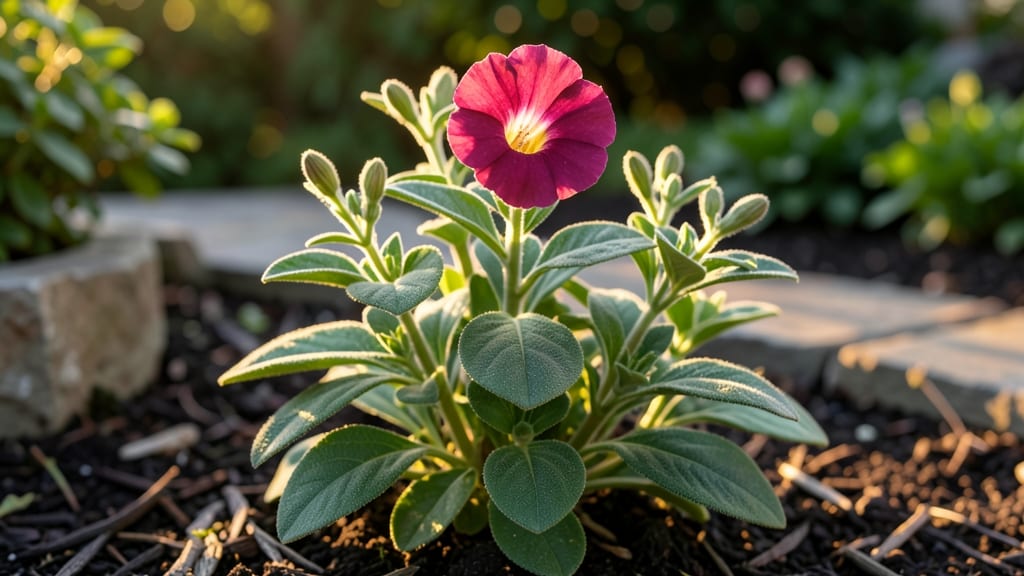
Whether the 4 o'clocks are perennial or annual depends on your climate: they act as annuals in colder regions but thrive as perennials in USDA Zones 9-11, rebounding each spring from underground tubers. Their survival hinges on frost tolerance and seasonal growing conditions.
These plants are true survivors thanks to their tuberous roots, which store energy like nature's own battery. 🌱 In warmer zones, the tubers remain dormant through winter, then sprout fresh foliage when temperatures rise—explaining their perennial behavior.
Meanwhile, in colder climates where frost kills the tubers, gardeners must treat them as annuals or take special overwintering steps to preserve the roots.
What makes this especially interesting is how quickly they adapt: even in marginal zones, you can sometimes coax tubers to survive by digging them up before the first hard freeze and storing them in dry sand.
This simple technique turns what would normally be an annual into a repeat performer year after year.
💡 In This Article
- Why Four O'Clock Plants Act as Perennials in Warm Climates
- How to Extend Four O'Clock Blooms Year-Round in Different Climates
Why four o'clock plants act as perennials in warm climates
The secret behind four o'clock plants' (Mirabilis jalapa) ability to return year after year in warm climates lies in their tuberous root system. These thickened underground stems store carbohydrates and nutrients like a natural battery, allowing the plant to survive harsh conditions.
In USDA Zones 9-11, where winter temperatures rarely drop below 25°F, the tubers enter a dormant state rather than dying back completely. This dormancy is triggered by cooler soil temperatures (50-60°F) and shorter daylight hours, similar to how bulbs like daffodils prepare for winter.
What makes this adaptation fascinating is the plant's frost sensitivity threshold. Even in warm zones, a sudden cold snap below 20°F can damage tubers.
The plant's survival strategy relies on soil insulation—organic matter and mulch act as natural buffers against temperature fluctuations. 🌡️ In contrast, colder climates (Zones 7 and below) lack this insulation, causing tubers to freeze and perish, forcing gardeners to replant annually.
This explains why four o'clocks thrive as perennials in Southern California or Florida but struggle in New England.
The rebirth process begins when soil temperatures rise above 60°F in spring. The tubers detect this warmth through specialized cells that monitor temperature changes, signaling the plant to break dormancy.
This mechanism is why you'll often see fresh shoots emerging in late winter or early spring—sometimes even before the last frost date.
The plant's ability to "wait and watch" for optimal conditions is a sophisticated survival tactic that sets it apart from true annuals, which complete their entire lifecycle in a single growing season.
Another key factor is the plant's growth habit. Four o'clocks produce multiple tubers per plant, creating a built-in insurance policy against failure. If one tuber succumbs to disease or poor soil conditions, others can take over.
This redundancy explains why established plants often return more vigorously than first-year specimens. In colder regions, gardeners must manually replicate this redundancy by planting extra tubers or seeds each year to maintain continuous blooms.
Consider this comparison: In Zone 10, a single four o'clock plant might produce 5-10 tubers over its first growing season, each capable of producing new shoots. By contrast, in Zone 5, those same tubers would freeze solid without protection, forcing a complete restart each spring.
This biological difference is why the plant's classification shifts between annual and perennial based solely on climate.
For gardeners in transitional zones (like Zone 8), the plant's behavior becomes a fascinating experiment in climate adaptation. With proper mulching and winter protection, you can sometimes coax tubers to survive and regrow—blurring the line between annual and perennial behavior.
This adaptability is part of what makes four o'clocks such a rewarding plant to grow, offering both the reliability of perennials and the vibrant annual blooms we love.