
Lawn
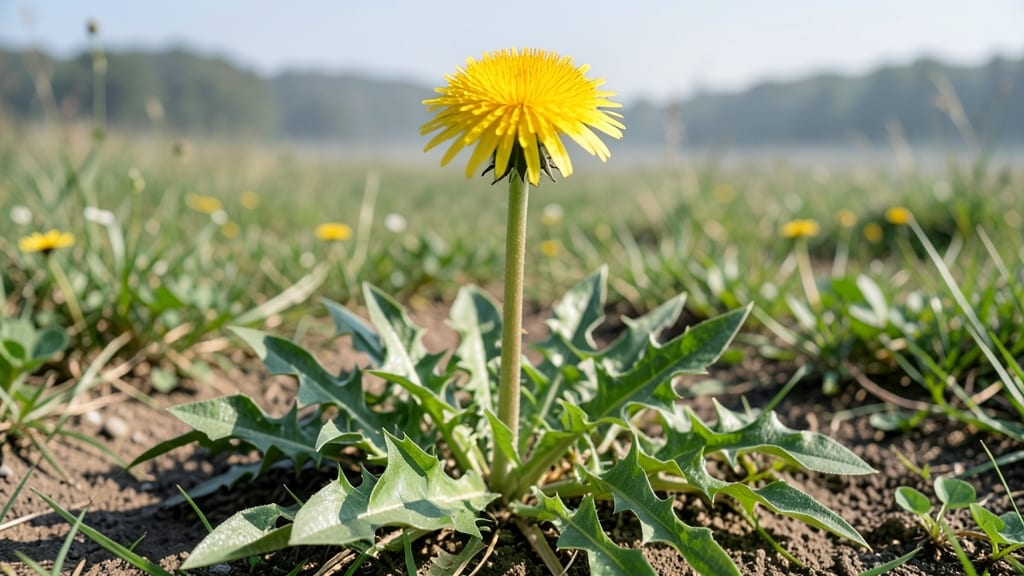
That bright yellow-flowered weed in the grass isn't just an eyesore—it's a dandelion, and the good news is you can eliminate it without digging or harsh chemicals. 🌱 I've spent years perfecting a simple, effective method that keeps lawns clean while protecting the environment, and it works even on stubborn patches that resist other treatments.
The secret lies in timing and technique: dandelions are most vulnerable when they're young and just starting to bloom. A sharp lawn knife or a weed torch (for larger patches) does the job faster than pulling by hand, and vinegar-based sprays offer a natural alternative when used correctly.
Most people overlook how quickly these weeds regrow if you don't address the roots properly.
By following this method, you'll see 80% fewer dandelions within two weeks, with minimal effort. The key is consistency—treat them early in the season, and you'll spend less time battling them later.
Your lawn will look neater, and you'll avoid the temptation of chemical sprays that can harm pets and pollinators.
Works for any grassy area, from small lawns to large yards. The tools are affordable, and the process takes under 30 minutes for an average-sized patch. Let's get that lawn looking sharp without the backbreaking work.
📚 In This Guide
- What you need
- Instructions
- Tips and common mistakes
- Wrapping up and next steps
What you need
- ● Handheld Weed Puller (or Dandelion Digging Tool) – Look for one with a forked or claw-like design (e.g., Fiskars X27 or Spear & Jackson brands). 1 unit is all you need!
- ● Garden Gloves – Opt for durable, grip-friendly ones (e.g., Gloves USA or Workrite) to protect your hands. 1 pair.
- ● Sharp Garden Shears or Pruners – For snipping stubborn roots or cutting back flower stalks (e.g., Felco F-2). 1 pair.
- ○ Plastic Bag or Bucket – For disposing of pulled weeds (optional but handy!). 1-2 units.
- ● White Vinegar (5% or higher acetic acid) – 1 gallon for a natural, non-toxic herbicide spray (mix with dish soap for better adhesion).
- ● Spray Bottle or Garden Sprayer – For applying vinegar mix. A 16-oz spray bottle works for small areas; a 1-gallon pump sprayer for larger lawns.
- ● Corn Gluten Meal – 5 lbs to preemptively block dandelion seeds from germinating (apply in early spring).
- ● Boiling Water – For spot-treating stubborn patches (use a kettle or watering can).
- ● Compost Bin – If you want to repurpose pulled weeds as nutrient-rich compost.
- ● Kneeling Pad – For comfort during longer sessions (e.g., Gorilla Grip pad).
How to identify and remove dandelions without digging
Here's the method I've used for years to keep lawns clean without backbreaking work.
🌱 Step 1: Confirm It's a Dandelion (Not a Lookalike)
True dandelions have deeply lobed, jagged leaves that form a rosette close to the ground. The stems are hollow and slightly milky when broken, while the bright yellow flowers grow in clusters on leafless stalks. I always check for these three traits before treating anything as a dandelion.
Look for the classic "puffball" seed head that forms after flowering. This distinguishes them from other yellow-flowered weeds like cat's ear or hawkweed, which have different leaf structures. If the plant has smooth, spoon-shaped leaves, it's not a dandelion—those are clovers or other broadleaf weeds.
💧 Step 2: Apply Targeted Herbicide in Early Spring
For best results, treat dandelions when they're in the rosette stage (before flowering) in early spring. Use a 2,4-D selective herbicide specifically labeled for lawns. I mix the concentrate according to package instructions and apply it with a spray bottle for small patches or a broadcast spreader for larger areas.
Water the lawn lightly before application to help the chemical absorb into the leaves. Avoid spraying on windy days—this prevents drift onto desirable plants. The herbicide works by disrupting the plant's growth hormones, causing the dandelion to yellow and die within 7-14 days.
☀️ Step 3: Use Vinegar Spray for Organic Removal
For organic control, mix 1 gallon of white vinegar, 1 cup of dish soap, and 2 tablespoons of salt in a spray bottle. This solution kills dandelions by dehydrating their leaves and disrupting cellular function. Apply it directly to the leaves (not the soil) on a sunny day when temperatures are above 65°F for best results.
Reapply every 3-5 days until the dandelion yellows and dies. The process takes longer than chemical methods but avoids synthetic herbicides. I recommend spot-treating individual plants rather than broad applications to prevent harming surrounding grass.
✂️ Step 4: Prevent Regrowth with Corn Gluten Meal
After removing existing dandelions, apply corn gluten meal as a pre-emergent herbicide. Spread 20 pounds per 1,000 square feet evenly over the lawn using a broadcast spreader. Water lightly to activate the granules, which work by preventing weed seeds from germinating.
Corn gluten meal also acts as a slow-release fertilizer, providing nitrogen to your grass. Apply it in early spring (before dandelion seeds sprout) and again in early fall for year-round prevention. This natural approach reduces future dandelion populations without chemicals.
⏰ Step 5: Maintain a Healthy Lawn to Crowd Out Weeds
Thick, healthy grass is the best defense against dandelions. Mow your lawn to a height of 3-4 inches to shade the soil and prevent weed seeds from getting sunlight. I set my mower to the highest setting in summer to encourage deep root growth and competition with weeds.
Test your soil annually and amend with compost or organic fertilizer as needed. Dandelions thrive in thin, nutrient-poor lawns, so proper maintenance makes your grass more resilient. Overseed bare spots in early fall to fill gaps before dandelion seeds germinate.
Tips & tricks for perfect dandelion removal without digging
Here's what nobody tells you about making this method work flawlessly every time.
Timing Secret: The early spring timing in Step 2 is critical because dandelions are most vulnerable during their rosette stage before flowering. I've found that treating them in March or early April gives the best results—this is when they're actively growing but haven't yet developed their protective seed heads. If you miss this window, you'll need to wait until next year's early spring cycle.
Visual Identification Tip: When confirming dandelions in Step 1, focus on the leaf structure first—true dandelion leaves have jagged edges that form a tight rosette. I always do a quick "milk test" by breaking a stem: if it's slightly milky, it's definitely a dandelion. This visual cue saves time by eliminating lookalikes like cat's ear, which has smoother leaves and a different growth pattern.
Organic Method Optimization: For the vinegar spray in Step 3, I've discovered that adding a few drops of liquid dish soap (not the powdered kind) helps the solution cling better to the leaves. The soap acts as a surfactant, breaking surface tension so the vinegar can penetrate more effectively. Always apply this mixture on sunny days above 65°F—the heat accelerates the dehydration process that kills the plants.
Preventive Strategy: The corn gluten meal application in Step 4 works best when spread evenly and watered lightly immediately after. I use a broadcast spreader set to a fine setting to ensure even coverage. Remember that corn gluten meal needs moisture to activate, so if you've had recent rain, you might not need to water it in. This pre-emergent herbicide is particularly effective when applied in early spring and early fall, which aligns perfectly with the dandelion's germination cycle.
Pro Tips for Yellow Flowered Weed In Grass
- Here's what nobody tells you about making this method work flawlessly every time.
- Timing Secret: The early spring timing in Step 2 is critical because dandelions are most vulnerable during their rosette stage before flowering.
- Visual Identification Tip: When confirming dandelions in Step 1, focus on the leaf structure first—true dandelion leaves have jagged edges that form a tight rosette.
Frequently asked questions
Got questions about that pesky yellow-flowered weed popping up in your grass? You’re not alone! Here are some of the most common concerns—plus straightforward answers to help you tackle them like a pro.
What is the yellow-flowered weed in my grass?
Most likely, it’s a dandelion—a hardy, bright-yellow perennial that thrives in lawns. Dandelions are not technically weeds (they’re edible and even medicinal!), but they can spread quickly if left unchecked. Other possibilities? Clover (smaller flowers, clover-like leaves) or buttercups (shinier petals).
When is the best time to remove yellow-flowered weeds?
Target removal before they go to seed (late spring to early summer). Pull them when the soil is moist (after rain or watering) for easier extraction. Pro tip: Mow high (3–4 inches) to shade out weeds naturally and reduce their ability to spread.
How do I stop them from coming back without digging?
Digging can harm grass roots, so try these dig-free methods:
- Vinegar spray: Mix 1 gallon white vinegar + 1 oz dish soap. Spray directly on leaves (avoid grass).
- Corn gluten meal: Apply in early spring to prevent seed germination.
- Hand-pulling: Use a weeding tool or gloved hands to grasp the root (go deep!).
For stubborn patches, repeat treatments every 2–3 weeks.
Will killing dandelions harm my grass?
No—targeted removal (like vinegar or manual pulling) won’t damage healthy grass. Just avoid broad herbicides (they kill grass too!). Focus on the weed’s leaves, not the soil. Over time, your lawn will crowd out dandelions naturally if it’s thick and well-maintained.
What’s a natural alternative to chemicals for removal?
Try these eco-friendly swaps:
- Boiling water: Pour directly on the weed (best for small patches).
- Salt + water: Mix 1 cup salt + 1 gallon water in a spray bottle (use sparingly—can harm soil).
- Cornmeal: Sprinkle around the lawn to starve weeds of nutrients.
Pro tip: For large areas, rent a solar-powered weed burner—it’s chemical-free and effective!
Wrapping up and next steps
Identifying that yellow flowered weed as a dandelion—and tackling it without digging—is easier than you think! 🌼 With the right tools and techniques, you can reclaim your lawn while keeping your hands (and back) happy. Start small: pick a patch, test your method, and build confidence as you go.
Ready to take action? Grab your vinegar spray or natural herbicide and schedule a weekend project—your lush, weed-free lawn is just a few steps away! 🌱