
Orchid Care
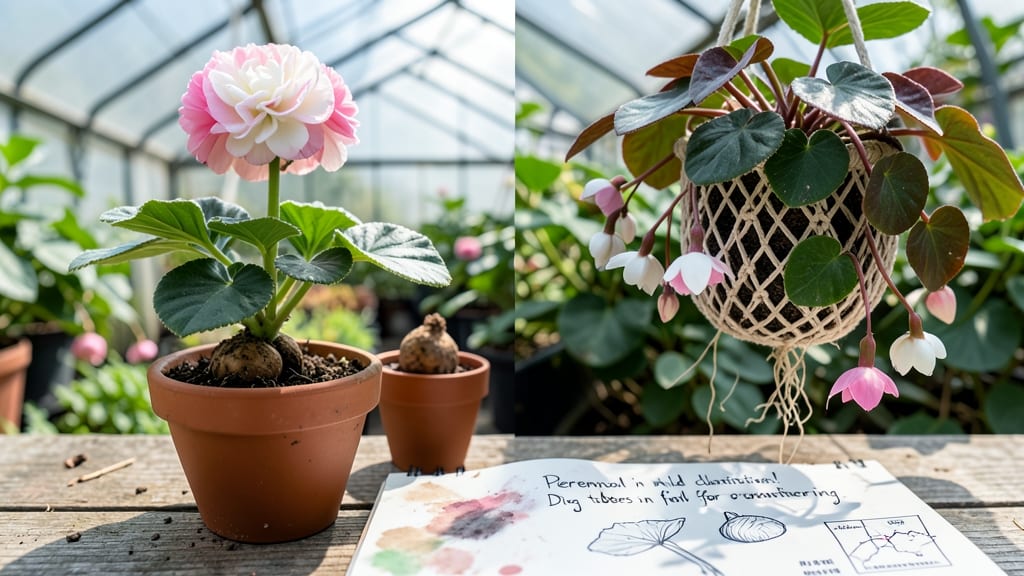
Whether begonias are annuals or perennials depends on your climate: they're annuals in cold regions but perennials in USDA Zones 10-12, where frost never occurs. In cooler areas, they survive as houseplants or must be replanted yearly after frost damage.
Begonias' lifespan shifts dramatically based on frost exposure. In frost-free zones like Florida or Southern California, these plants naturally return year after year, establishing deep root systems that regenerate after seasonal dormancy. 🌱 However, even in these areas, some varieties may need winter protection during unexpected cold snaps.
The key difference lies in their tuberous roots—when temperatures drop below 32°F, these roots either die back completely or enter dormancy depending on the species. In colder climates, gardeners often treat begonias as annuals, replanting from cuttings or new tubers each spring to maintain their vibrant displays.
This adaptability makes begonias one of the most versatile plants for gardeners across different climates. Whether you're in Zone 3 or Zone 11, understanding your local frost patterns is essential for determining whether to overwinter them indoors or simply start fresh each season.
The good news? Many begonia varieties thrive as houseplants year-round, offering continuous color even in northern gardens.
💡 In This Article
- How Climate Zones Affect Begonia Lifespan
- Year-Round Begonia Care Strategies by Region
How climate zones affect Begonia lifespan
Begonias' lifespan hinges on their frost sensitivity, where temperatures below 32°F trigger irreversible damage.
These tropical plants originate from regions with consistent warmth, meaning their delicate foliage and tuberous roots lack cold-hardiness adaptations found in perennials like hostas or peonies. 🌡️ The key difference lies in their root systems: tuberous begonias store energy underground, but when exposed to frost, these tubers either shrivel or die completely, explaining why they behave as annuals in colder zones.
The USDA's hardiness zone map serves as your guide—Zones 10-12 (average minimum 30°F) allow begonias to thrive perennially, while Zones 3-9 require annual replanting. In Zone 9, for example, where winters occasionally dip below 30°F, gardeners must either protect plants with mulch or bring them indoors.
The science is clear: begonias' cellular structure freezes at 32°F, causing membrane rupture and tissue death within hours.
Even in frost-free zones, begonias exhibit seasonal behaviors that mimic perennials. During cooler months, they naturally slow growth and may drop leaves, but their tuberous roots remain viable. This dormancy phase is crucial—without it, the plant would exhaust its energy reserves.
In contrast, cold-climate gardeners often lose their entire plant each winter, forcing them to propagate from cuttings or purchase new tubers annually.
Consider the Begonia rex variety: its striking foliage makes it a favorite, but its tuberous roots need protection below 40°F. In Zone 7, this means digging up tubers before the first frost or growing them in containers that can be moved indoors.
The trade-off? Container-grown begonias may produce slightly smaller tubers than those in-ground, but they survive the season intact.
Temperature isn't the only factor—humidity plays a role too. Begonias thrive in 50-70% humidity, and dry air accelerates stress, making them more vulnerable to winter die-off. In arid climates like Zone 8, even protected begonias may struggle without supplemental moisture during cooler months.
This explains why some gardeners in marginal zones treat begonias as annuals despite living in technically frost-free areas.
What most people overlook is the species variation within begonias. Rex begonias, for instance, have thicker leaves that tolerate slightly cooler temps than Begonia semperflorens, which wilts at the first frost. This diversity means your growing strategy should match both your zone and the specific variety you've chosen. 💡