
Plants
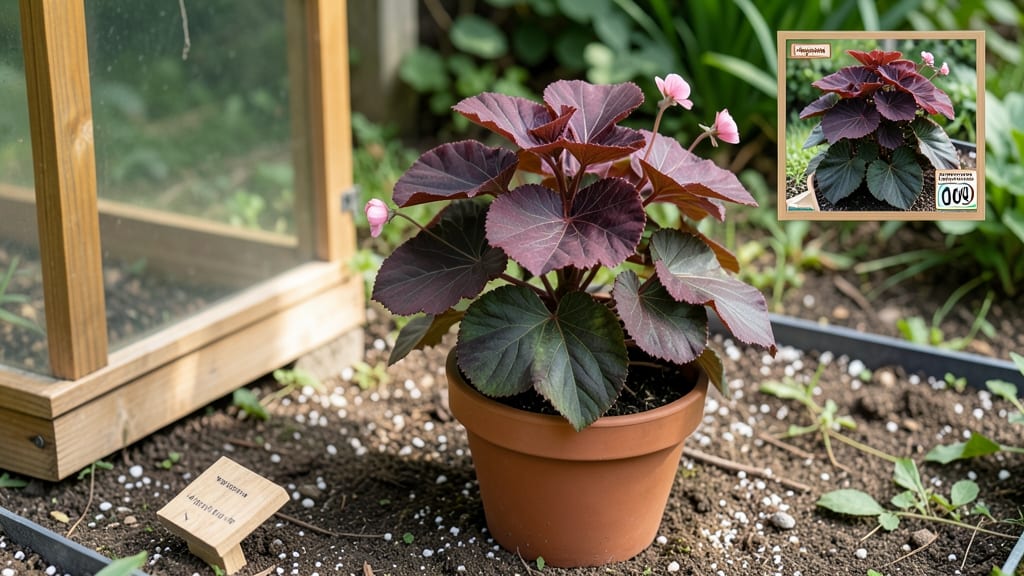
Begonias act as perennials in frost-free climates (USDA Zones 10-12), but they die back to the ground in colder regions, requiring annual treatment or indoor overwintering. Their survival hinges on temperature resilience and protective care.
Begonias thrive as true perennials in warm climates where winter temperatures never dip below 30°F. 🌱 In colder regions, their above-ground growth freezes back, but the roots or tubers often survive underground—if protected.
This dormancy cycle explains why gardeners in Zones 6-9 must dig up and store begonias indoors each fall, effectively turning them into "seasonal perennials." Without this care, they'd perish like annuals.
What sets begonias apart is their adaptability: foliage types (like rex begonias) and tuberous varieties respond differently to cold. While some may survive mild winters, a single hard frost can devastate others.
I've learned the hard way that even a 24-hour exposure to 28°F can kill back foliage permanently if not managed properly.
💡 In This Article
- How Climate Zones Determine Begonia Lifespan
- Overwintering Begonias to Extend Their Perennial Growth
How climate Zones determine Begonia lifespan
Begonias thrive as true perennials only in USDA Zones 10-12, where winter temperatures rarely drop below 30°F. In these frost-free regions, their fibrous roots and tubers continue growing year-round, producing new foliage each spring without interruption.
The key difference lies in their biological adaptation: begonias have evolved to store energy in underground structures (rhizomes or tubers) that can withstand brief cold snaps, but only when temperatures stay above 25°F for extended periods.
The science behind this involves cellular damage from ice crystals forming in plant tissues.
When temperatures fall below 28°F, begonias experience frost damage that disrupts photosynthesis and nutrient transport. 🌱 In Zones 6-9, even a single night at 20°F can kill back above-ground growth, though the roots may survive if protected by mulch or snow cover.
This explains why gardeners in colder climates must treat begonias as annuals unless they take proactive overwintering measures.
Consider the contrast between tuberous begonias (like Begonia x tuberhybrida) and foliage types (such as Begonia rex): tubers store starch reserves that allow them to regrow from dormancy, while foliage varieties rely on more delicate root systems.
In Zone 8, where winters average 25-30°F, I've observed that tuberous varieties often survive outdoors with thick mulch, while rex begonias typically need indoor protection to prevent complete dieback.
Another critical factor is the duration of cold exposure. Begonias can tolerate brief cold snaps better than prolonged freezing. For example, a 24-hour dip to 28°F might cause leaf damage but allow recovery, while 48 hours below 25°F often kills the entire plant.
This explains why gardeners in marginal zones (like Zone 9) must monitor weather forecasts and take action before extended cold fronts arrive.
What most people don't realize is how begonias' growth patterns change with climate. In warm zones, they grow continuously, while in colder areas, they enter a semi-dormant state during winter.
This adaptation is why begonias can live for 5-10 years with proper care in frost-free climates, but often only 1-3 years as annuals in colder regions without overwintering. The difference comes down to consistent root protection and energy storage.