
Plants
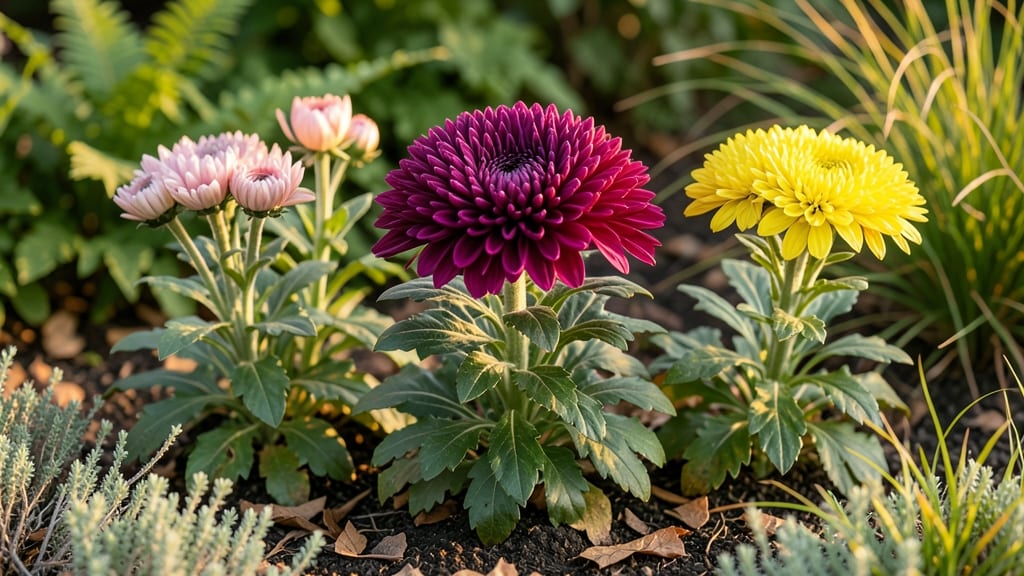
Mums (chrysanthemums) are perennials in USDA Zones 5-9, but gardeners in colder regions often treat them as annuals because they die back in winter. Their ability to return depends on winter protection, proper pruning, and the specific variety's cold tolerance.
Whether mums survive the winter as perennials depends entirely on your climate zone and how well you protect them. 🌱 In Zones 5-9, these hardy plants naturally overwinter with minimal care, while in colder areas, they often succumb to frost unless you take proactive steps like heavy mulching or container growing.
I've seen gardeners in Zone 4 successfully overwinter mums by cutting back foliage and covering the crown with straw—this gives the roots a fighting chance against freezing temperatures.
The key is understanding your specific variety's cold tolerance, as some hardier types like 'Hardy Mums' can handle colder conditions better than others.
What many people don't realize is that even in colder climates, mums can still be perennials with the right care. The difference lies in how you prepare them for winter—proper pruning timing, mulch depth, and even choosing the right location can make all the difference.
For example, planting mums near a south-facing wall or in a sheltered microclimate can provide that extra protection they need to survive until spring.
💡 In This Article
- Chrysanthemum Hardiness Zones and Winter Survival
- How to Overwinter Mums for Next Year’s Blooms
Chrysanthemum hardiness Zones and winter survival
Chrysanthemums (mums) thrive as perennials in USDA Zones 5 through 9 because their cold tolerance ranges from -20°F to -10°F. This means varieties like 'Hardy Mums' can survive winter in Zone 5 without extra protection, while others in Zone 9 may need minimal shielding from unexpected frosts.
The key difference lies in their root systems—hardier varieties develop deeper roots that insulate against freezing, while tender types struggle when temperatures drop below 20°F for extended periods.
The phenomenon of winter dieback occurs when mums lose their foliage due to frost, but their roots remain alive underground.
This is why they're called "dormant perennials"—they appear dead but can regrow when temperatures rise. 🌿 In Zones 1-4, where winters dip below -20°F, even the hardiest mums may not survive unless you provide artificial protection like thick mulch layers (4-6 inches) or grow them in containers that can be moved indoors.
Mulching plays a critical role in insulating mum roots during winter. Organic mulches like straw or shredded leaves act as insulation, trapping heat and preventing soil temperature fluctuations. Studies show that mulched areas can stay 5-10°F warmer than unmulched soil, making the difference between survival and death for marginal varieties.
The best time to apply mulch is after the ground freezes but before heavy snowfall, creating a protective barrier that lasts through the coldest months.
Not all mums are created equal when it comes to cold tolerance. For example, 'Hardy Garden' series can handle Zone 4 winters with proper care, while 'Dendranthema' hybrids often struggle in Zone 5 without protection.
The secret lies in selecting varieties bred for your specific climate—check plant tags for cold hardiness ratings before purchasing. This careful selection can mean the difference between a plant that dies back annually and one that reliably returns each spring.
What most gardeners overlook is how soil moisture affects winter survival. Overly wet soil can cause root rot even in cold weather, while bone-dry soil creates insulation gaps. Aim for moderately moist soil before winter, then add mulch to maintain this balance.
In my own garden, I've found that mums planted in well-draining soil with a 3-inch layer of compost before mulching survive far better than those in heavy clay.
Even in ideal conditions, some dieback is normal—it's how mums prepare for regrowth. The key is ensuring at least 50% of the root system survives winter. Healthy roots will push up new shoots in spring, while severely damaged roots may require division to revive.
This is why experienced gardeners often dig up and divide mums every 3-4 years, rejuvenating old plants and improving their cold hardiness.