
Plants
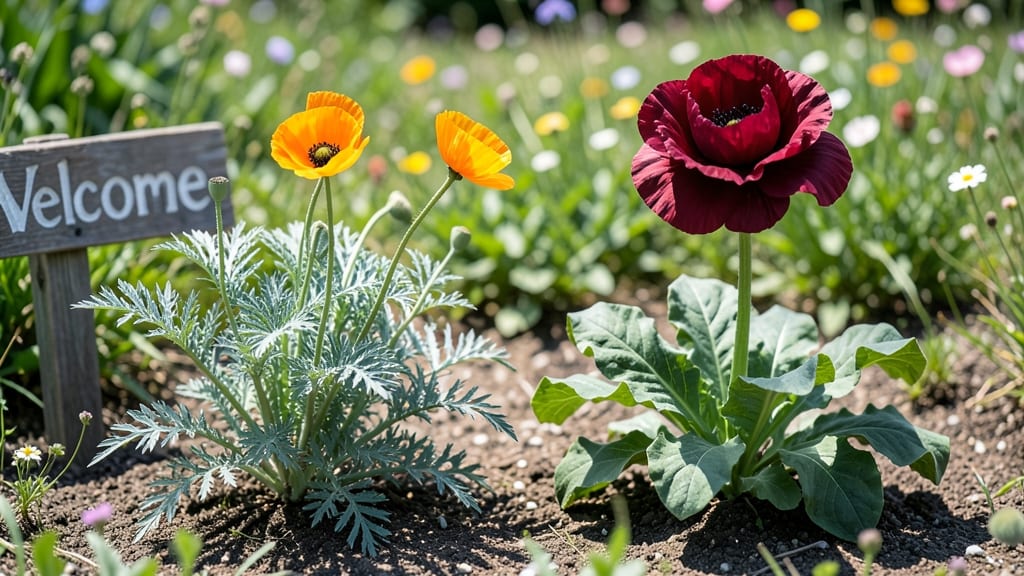
Poppies aren't true perennials—they die back completely each year but rely on prolific self-seeding to return annually, with some species also surviving through underground crowns. This clever survival strategy keeps them blooming reliably in gardens.
While they might seem like perennials because they return year after year, poppies actually follow a different survival strategy. 🌱 Most varieties complete their entire life cycle in just one growing season, but they compensate by producing thousands of tiny seeds that lie dormant until conditions are perfect for germination.
This self-seeding habit creates the illusion of perennial behavior, especially in species like California poppies or opium poppies. The key difference? True perennials regrow from established roots or rhizomes, while poppies depend entirely on new seedlings emerging from last year's seeds.
This adaptation explains why you often see poppies popping up in unexpected places—like cracks in pavement or disturbed soil. Their ability to thrive in poor conditions and spread aggressively makes them excellent garden plants, though they do require some management to prevent overcrowding.
For gardeners, understanding this life cycle helps explain why deadheading spent blooms (removing faded flowers) can actually encourage more robust growth and seed production next season.
💡 In This Article
- Why Poppies Appear Annual but Survive as Self-Seeding Perennials
- How to Encourage Poppies to Return Year After Year
Why poppies appear annual but survive as self-seeding perennials
The confusion about poppies stems from their biennial or short-lived perennial nature, where they mimic perennial behavior through seed dormancy and aggressive reproduction.
Unlike true perennials like peonies, which regrow from underground rhizomes or tubers, poppies complete their life cycle in one to two years—but their survival hinges on producing thousands of tiny, wind-dispersed seeds that remain viable for years in the soil. 🌱 For example, California poppy (Eschscholzia californica) seeds can stay dormant for up to 5 years, waiting for the right conditions to germinate.
This strategy relies on seasonal dieback: after flowering, the above-ground plant dies back to the ground, but the seeds it drops scatter widely.
Some species, like the opium poppy (Papaver somniferum), also develop underground crowns—thickened stem bases that store nutrients and can regrow if conditions are favorable.
However, most poppies don’t rely on this; their true "perennial" trait is their self-sowing habit, which ensures new plants emerge year after year without human intervention.
The contrast with true perennials is stark. Peonies, for instance, grow from thick, fleshy roots that persist underground, while poppies have delicate taproots that don’t store enough energy to survive winter.
Instead, their seed banks act as a survival mechanism, allowing them to recolonize disturbed areas—like gardens, roadsides, or even cracks in pavement—where true perennials might struggle to establish.
Climate plays a crucial role in this cycle. Poppies often germinate in cool, moist conditions, then lie dormant until spring warmth triggers growth. In Mediterranean climates, where many poppy species originate, this pattern ensures they bloom during spring rains, then retreat as summer heat arrives.
Their ability to time germination with seasonal cues is a masterclass in adaptive survival, making them resilient even in harsh environments.
For gardeners, this means poppies can outlast true annuals like marigolds, which must be replanted yearly. The trade-off? Their self-seeding can lead to overcrowding if not managed. Deadheading (removing spent blooms) can reduce seed production, but leaving some flowers ensures a steady supply of new plants.
This balance is what makes poppies both low-maintenance perennials and highly adaptable annuals—depending on how you look at it. ✨
Here’s the key takeaway: poppies aren’t perennials by root, but by reproductive strategy. Their ability to cheat the definition through seeds and crowns is what keeps them thriving in gardens long after their foliage fades. 💫