
Pests
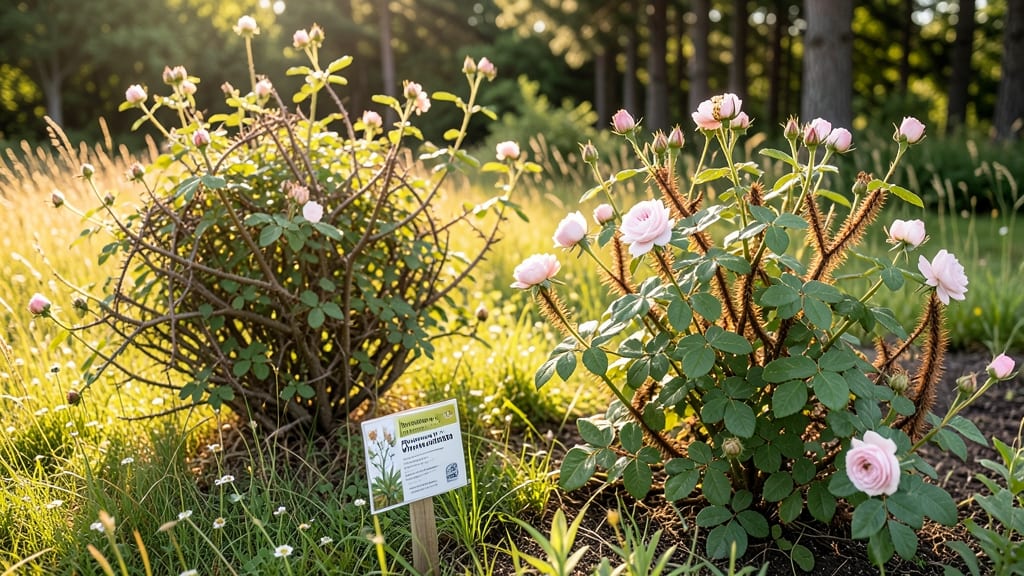
Roses aren't weeds—they're carefully cultivated plants with specific botanical traits, though some varieties can spread aggressively in gardens. Unlike weeds that thrive without human intervention, roses need regular care like pruning and soil maintenance to stay healthy.
Roses belong to the Rosa genus and are classified as ornamental plants, not weeds. 🌹 Their botanical distinction lies in their reproductive methods—roses produce flowers that develop into seeds or spread through underground suckers, but they still require human attention to thrive.
Weeds, on the other hand, typically spread rapidly via seeds or runners without needing cultivation. The key difference is that roses are bred for beauty and fragrance, while weeds are often considered unwanted invaders in gardens.
That said, some roses—especially wild or escaped varieties—can behave invasively if left unchecked. For example, Rosa multiflora has become a major ecological concern in parts of the U.S. due to its aggressive spread.
The confusion arises because roses can self-seed or produce suckers that create dense patches, mimicking weed-like behavior if gardeners neglect proper maintenance.
💡 In This Article
- Botanical Differences Between Roses and Weeds
- When Do Roses Act Like Weeds in Gardens?
Botanical differences between roses and weeds
Roses belong to the Rosa genus, which includes over 100 species and thousands of cultivated varieties, all carefully bred for their flowers, fragrance, and ornamental value. Weeds, however, are typically fast-growing, non-cultivated plants that thrive in disturbed soils and compete aggressively with desired plants.
The key botanical distinction lies in their reproductive strategies: roses primarily spread through seeds or underground suckers, while weeds often rely on prolific seed production or vegetative growth like runners or rhizomes.
True weeds, such as dandelions or crabgrass, have evolved to maximize survival with minimal resources. They produce thousands of lightweight seeds that disperse easily, and their shallow root systems allow rapid colonization of open spaces. Roses, in contrast, require more stable growing conditions—well-drained soil, adequate sunlight, and regular watering.
Their seeds often need stratification (a cold period) to germinate, a process that weeds typically bypass. 🌱 This is why roses rarely establish themselves as dominant plants in wild ecosystems without human intervention.
The cultivation status of roses further separates them from weeds. Gardeners selectively breed roses for specific traits like disease resistance, flower color, and fragrance, while weeds are generally unwanted byproducts of natural succession or human activity.
For example, a hybrid tea rose might produce beautiful blooms but few viable seeds, whereas a weed like creeping Charlie spreads relentlessly via underground stems. This intentional breeding makes roses dependent on human care, whereas weeds thrive in neglect.
Ecologically, roses play a different role than weeds. While some roses provide food for pollinators, their dense growth can outcompete native plants if left unchecked—especially in naturalized settings. Weeds, however, often fill ecological niches by quickly covering bare soil, preventing erosion, and providing habitat.
The confusion arises because roses can mimic weed-like behavior when they spread uncontrollably, but their botanical purpose remains ornamental rather than invasive.
Consider the Rosa rugosa, a species often used in coastal plantings for erosion control. While it spreads vigorously via suckers, it's valued for its hardiness and wildlife benefits—not because it's a weed.
This dual nature highlights how context matters: what's a rose in a garden becomes a "weed" in a wildflower meadow. The key difference is intent—roses are cultivated for beauty, while weeds are unwanted byproducts of nature's opportunism. 🌿
Another critical factor is growth habit. Weeds often grow upright or sprawling with minimal structure, while roses develop woody canes and thorns as part of their defense mechanism.
This structural difference affects how they interact with their environment: weeds smother other plants, while roses provide vertical structure that can support climbing plants or create habitat for birds and insects.