
Plants
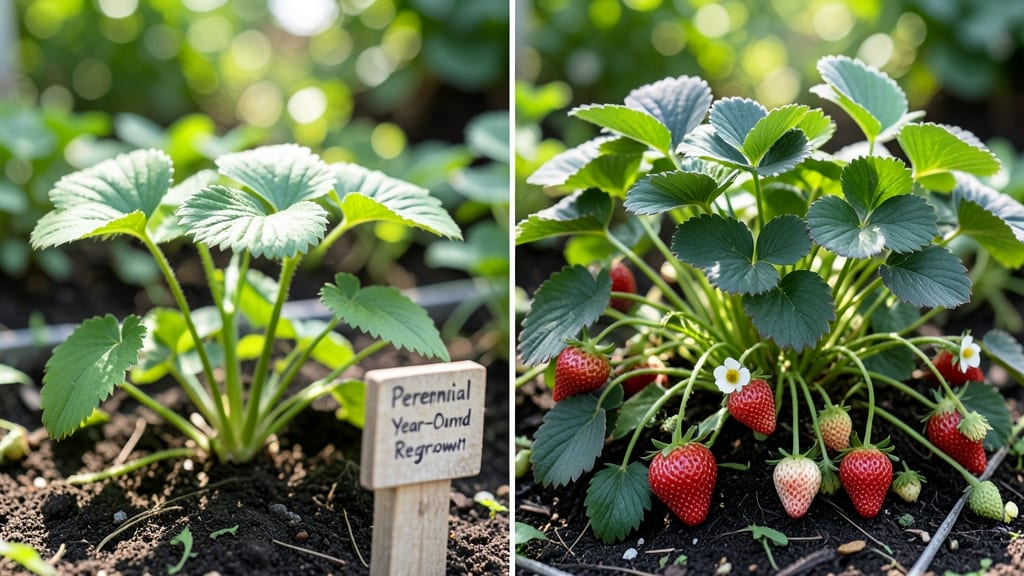
Strawberries are perennials that die back to the ground each winter but regrow from their crowns in spring, producing new leaves and fruit annually under ideal conditions. Cold-hardy varieties thrive in USDA zones 3-10 with proper winter protection.
This means strawberries aren't annuals—they're designed to live for years if given the right care. 🌱 The key to their survival lies in their crowns, which stay dormant underground during cold months but sprout fresh growth when temperatures rise.
Many gardeners assume these plants die each year, but with proper winter protection (like mulch or row covers), they'll keep producing fruit for 3-5 years—or even longer with good maintenance. The trick is protecting those crowns from freezing, since they're the plant's lifeline for regrowth.
What's interesting is how different varieties handle winter differently. June-bearing types, for example, go completely dormant, while everbearing varieties might produce smaller harvests even after winter. This is why choosing the right strawberry type for your climate makes all the difference in how long your plants will thrive.
💡 In This Article
- How Strawberry Plants Survive Winter as Perennials
- Extending Strawberry Plant Lifespan in Gardens
How strawberry plants survive winter as perennials
Strawberries enter a survival strategy called dormancy when temperatures drop below 40°F, triggered by shorter daylight hours and chemical signals in their crowns. This isn't true death—it's a metabolic slowdown where the plant conserves energy in its roots and crown while above-ground growth withers away.
The crown, a compact cluster of buds just above the soil, contains meristem cells that remain alive and protected by a waxy coating, allowing them to withstand -20°F temperatures in hardy varieties like 'Jewel' or 'Chandler'.
The root system plays a crucial role too—strawberry roots extend up to 12 inches deep and store carbohydrates produced during summer growth. These reserves fuel the first flush of spring growth before photosynthesis kicks in.
What's fascinating is how the plant prioritizes energy: it allocates 60-70% of its stored carbohydrates to root regeneration first, ensuring the plant can re-establish itself before producing leaves or fruit. Tender varieties like 'Seascape' lack this deep root system and need additional winter protection.
Temperature thresholds determine survival: most strawberries can handle 10-14 days of 20°F weather if dry, but prolonged freezing or wet conditions cause crown rot. The science here involves cryoprotectants—natural antifreeze compounds the plant produces that lower the freezing point of its cells by up to 5°F.
This is why mulching with 4-6 inches of straw or leaves creates an insulating layer that maintains soil temperatures 5-10°F warmer than air temperatures.
Hardy varieties develop thicker crowns with more protective scales, while tender ones have thinner, more vulnerable growth. For example, 'Albion' (zone 3 hardy) produces crowns 1.5 times thicker than 'Camarosa' (zone 6), which explains why northern gardeners can grow it successfully without extra protection.
The trade-off? Hardier varieties often produce slightly smaller berries, as the plant diverts energy to survival rather than fruit development.
What most gardeners miss is how moisture levels affect winter survival. Wet crowns freeze more easily because water conducts cold better than air. This is why well-drained soil is critical—it prevents water from pooling around the crown during freeze-thaw cycles.
In my own garden, I've seen strawberries planted in heavy clay soil fail to regrow after winters with 10+ inches of snow, while identical plants in raised beds with sandy loam thrived.
Spring regrowth begins when soil temperatures reach 45°F for 5 consecutive days, triggering hormonal signals that wake the meristems. You'll first see tiny red buds pushing through the soil, followed by white root hairs that signal the plant is actively photosynthesizing again.
This process can take 2-4 weeks depending on your climate zone, which is why early pruning of dead foliage (before new growth appears) prevents rot and pests from moving into the crown.